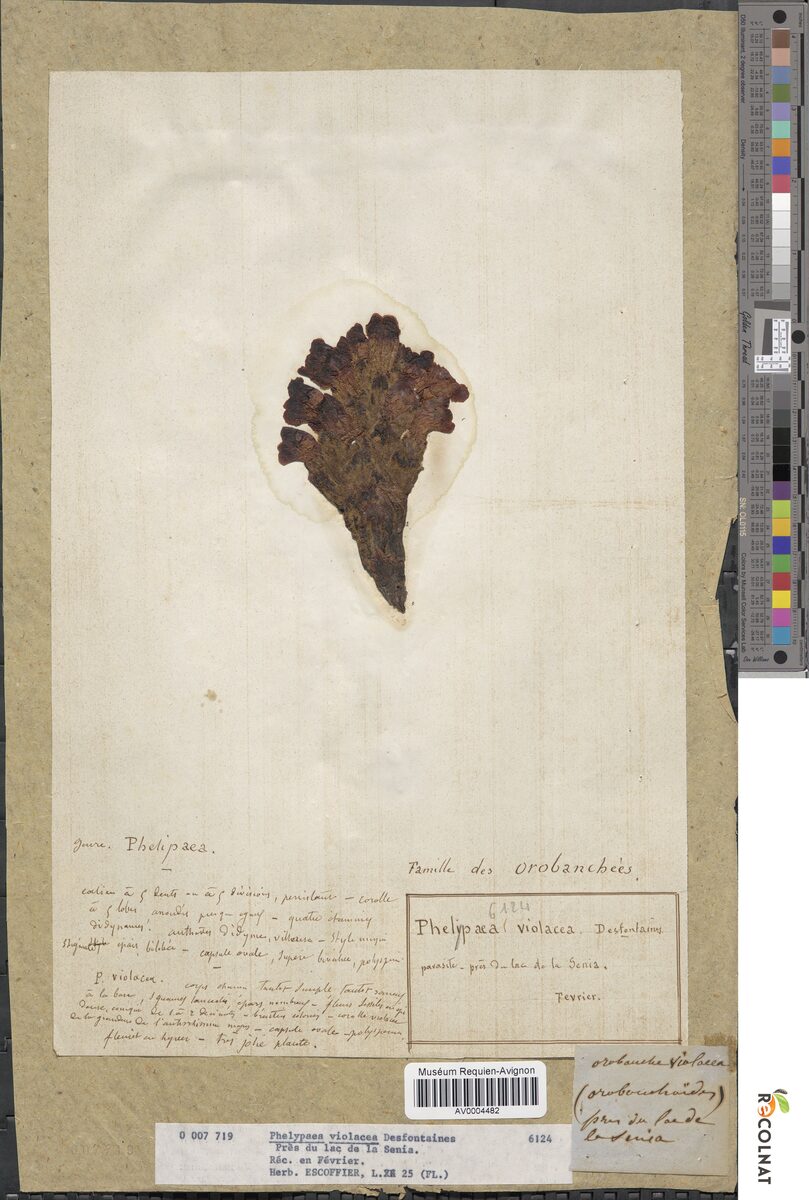
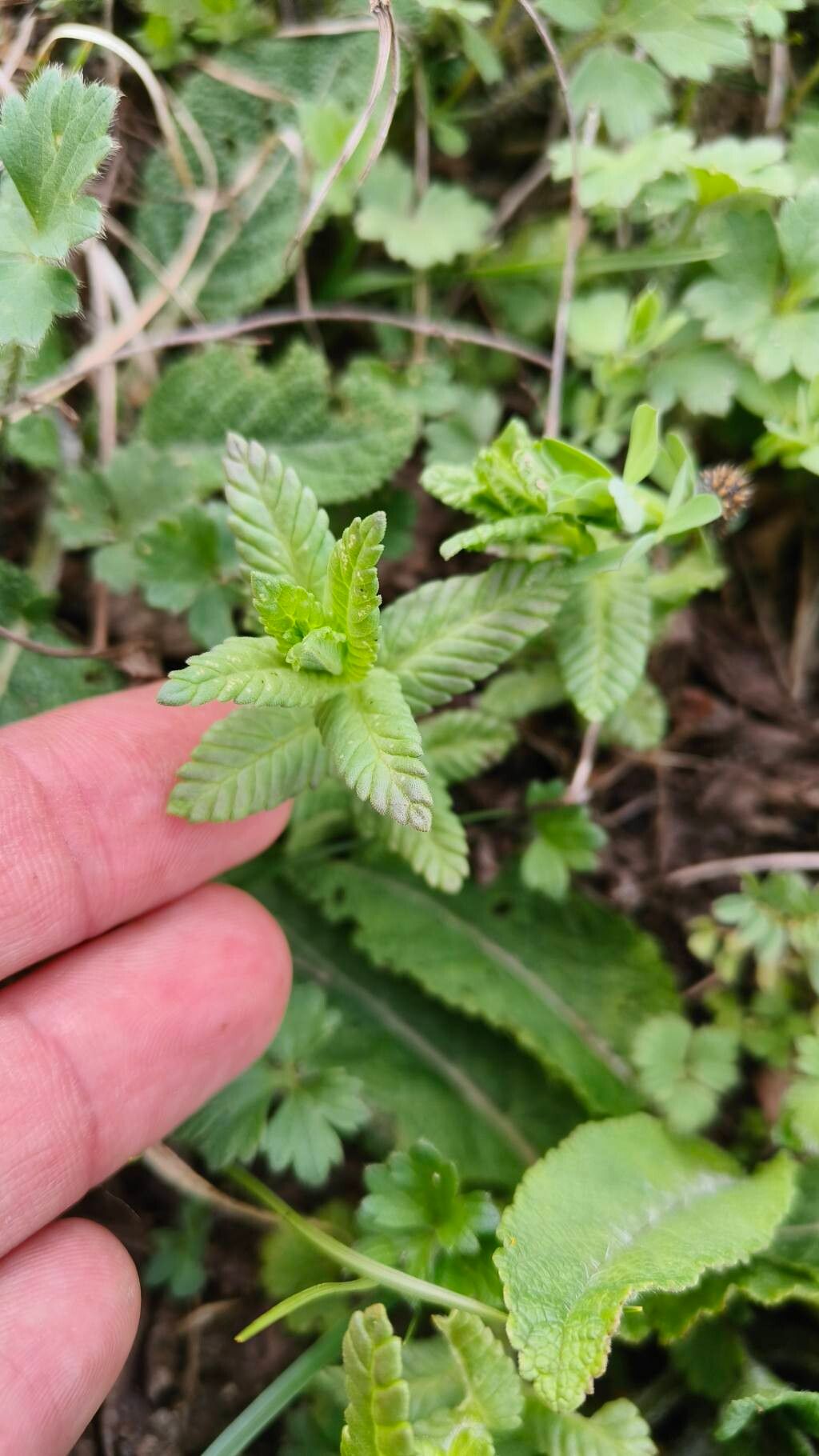
Orobanche coerulescens
Stephan
Blue-flowered orobanche, Temegen sull
iNaturalist· cc-by-nc
(c) Александр Жуковский, some rights reserved (CC BY-NC), uploaded by Александр Жуковский
iNaturalist· cc0
no rights reserved
Description
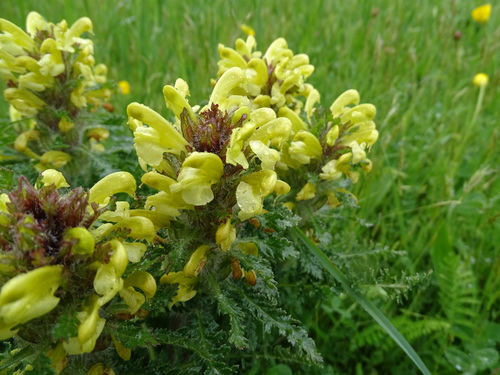
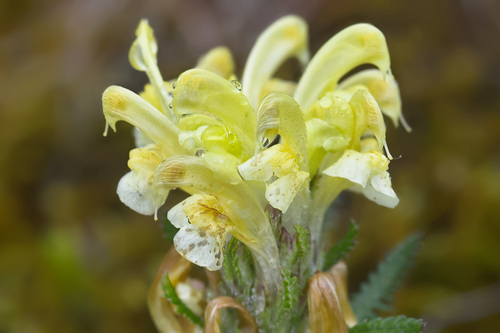
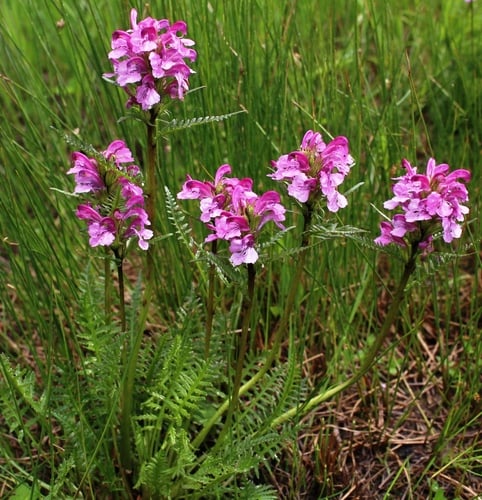
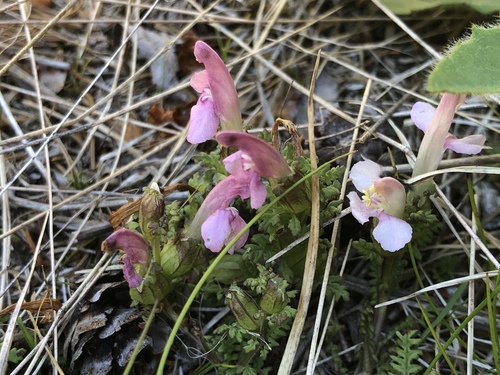
A parasitic herb. It grows on Artemisia species. It grows 15-40 cm high. It is fleshy. It appears at the flowering stage. It has a stout, short underground stem. The flowers are bluish-purple. They grow in spikes at the top of the plant. These are 5-10 cm long. Individual flowers have a bract around them.
Edible Uses
The above-ground parts are used for tea; young plants are gathered, steamed, and dried for tea, or cooked with lamb for soup.
Traditional Uses
The above ground parts of the plant are used for a drink. The young plants are gathered, steamed, dried and used for tea. They are also cooked with lamb for soup.
Medicinal Uses
The above-ground parts are used to make a drink.
Distribution
It is a temperate plant. It is native to semi-desert areas in eastern Asia. It grows on sandy and exposed hillsides. It can grow in arid places. In Inner Mongolia. In north China it grows between 900-4,000 m above sea level.
Where It Grows
Asia, Central Asia, China, Europe, Himalayas, Japan, Kazakhstan, Korea, Kyrgyzstan, Mongolia, Nepal, Russia, Tibet, Turkmenistan,
Synonyms
Also Known As
Temeen suul
References (5)
- Hu, Shiu-ying, 2005, Food Plants of China. The Chinese University Press. p 674
- Khasbagan, Hu-Yin Huai, and Sheng-Ji pei, 2000, Wild Plants in the Diet of Athorchin Mongol Herdsmen in Inner Mongolia. Economic Botany 54(4): 528-536
- Khasbagan, Yeruhan and Zhao Hui, 2011, Study on Traditional Knowledge of Wild Edible Plants Used by the Mongolians in Xilingol Typical Steppe Area. Plant Diversity and Resources. 33(2): 239-246
- Plants for a Future database, The Field, Penpol, Lostwithiel, Cornwall, PL22 0NG, UK. http://www.scs.leeds.ac.uk/pfaf/ (As Orobanche ammophyla)
- Urgamal, M., Oyuntsetseg, B., Nyambayar, D. & Dulamsuren, Ch. 2014. Conspectus of the vascular plants of Mongolia. (Editors: Sanchir, Ch. & Jamsran, Ts.). Ulaanbaatar, Mongolia. “Admon“ Press. 334pp. (p. 79-90).