Rumex cyprius
Murb.
Hamasis
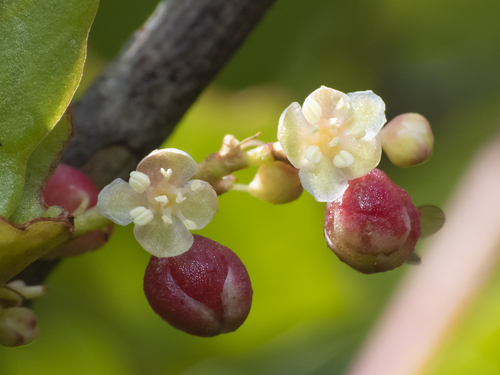
iNaturalist· cc-by-nc
(c) kaplinski, some rights reserved (CC BY-NC)
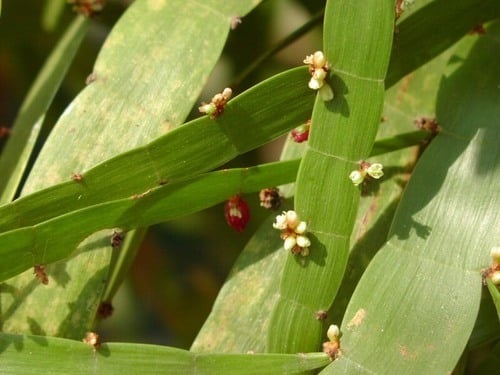
iNaturalist· cc-by-nc
(c) Uriah Resheff, some rights reserved (CC BY-NC), uploaded by Uriah Resheff
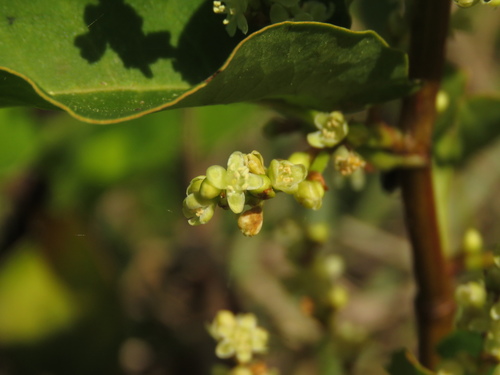
iNaturalist· cc-by-nc
(c) Yael Orgad, some rights reserved (CC BY-NC), uploaded by Yael Orgad
Description
An annual herb in the Polygonaceae family with edible leaves and fruits, native to Mediterranean climates where it can grow in arid conditions.
This description is brief — help expand it
Edible Uses
The leaves are eaten raw as a green vegetable or cooked, and young fruit are eaten raw.
Traditional Uses
The leaves are eaten raw as a green vegetable. They are also cooked. The fruit are eaten raw.
This uses section is brief — help expand it
Distribution
It grows in Mediterranean climates. It can grow in arid places.
Where It Grows
Africa, Egypt, Israel, Jordan, Mediterranean, Middle East, North Africa, Qatar, Saudi Arabia, Sinai,
Synonyms
Also Known As
Hummaid
References (7)
- Albalawneh, A., et al, 2022, Traditional Knowledge of Wild Plant Species Used by Local People Inhabiting the Southern Part of Wadi Araba Desert in South-West Jordan. Research Square.
- Al-Qura'n, S. A., 2010, Ethnobotanical and Ecological Studies of Wild Edible Plants in Jordan. Libyan Agriculture Research Center Journal International 1(4):231-243
- Bailey, C. and Danin, A., 1981, Bedouin Plant Utilization in Sinai and the Negev. Economic Botany 35(2): 145-162
- Norton, J., et al, 2009, An Illustrated Checklist of the Flora of Qatar. UNESCO Office in Doha.
- Royal Botanic Gardens, Kew (1999). Survey of Economic Plants for Arid and Semi-Arid Lands (SEPASAL) database. Published on the Internet; http://www.rbgkew.org.uk/ceb/sepasal/internet [Accessed 6th June 2011]
Show all 7 references Hide references
- Tukan, S. K., et al, 1998, The use of wild edible plants in the Jordanian diet. International Journal of Food Sciences and Nutrition. 49:225-235 (cypreus)
- World Checklist of Useful Plant Species 2020. Royal Botanic Gardens, Kew