Deverra tortuosa
(Desf.) DC.
Zaguh
iNaturalist· cc-by-nc
(c) שמואל, some rights reserved (CC BY-NC)
iNaturalist· cc-by-nc
(c) Yuval, some rights reserved (CC BY-NC)
iNaturalist· cc-by-nc
(c) Yael Orgad, some rights reserved (CC BY-NC)
Description
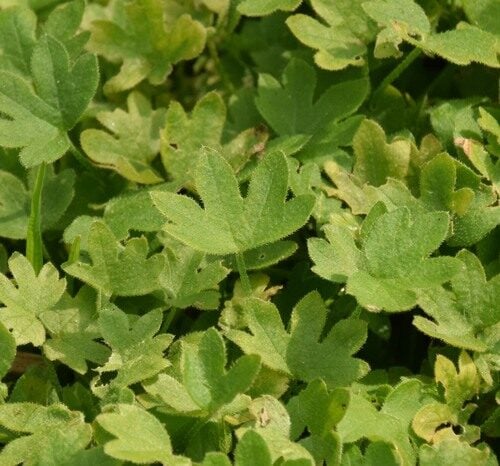
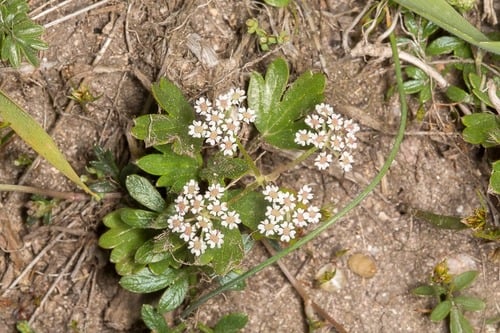
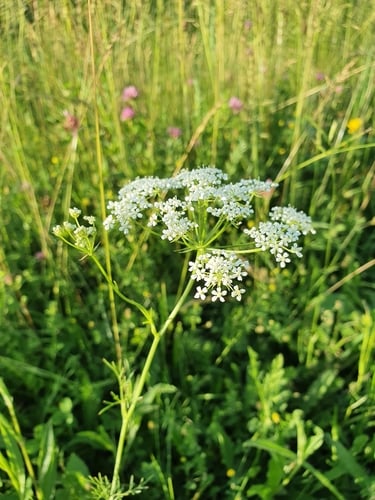
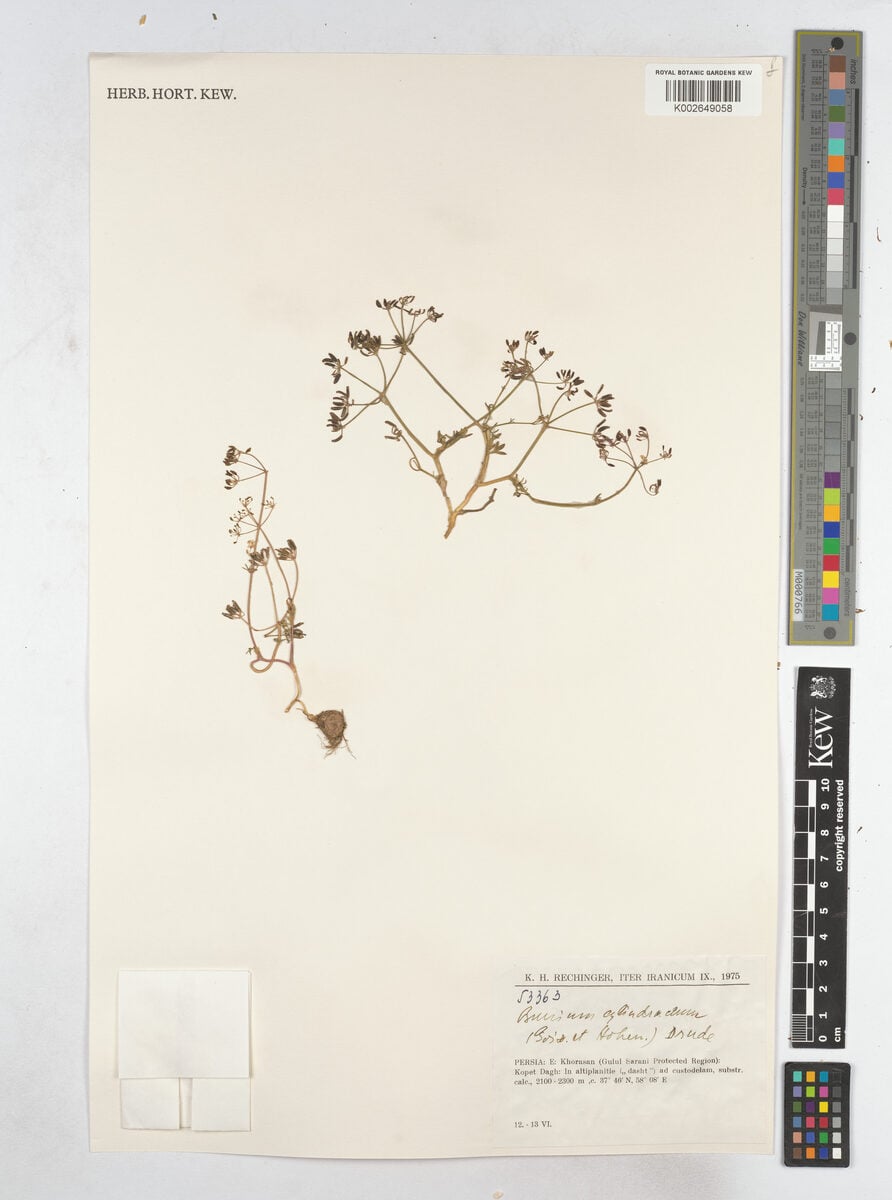
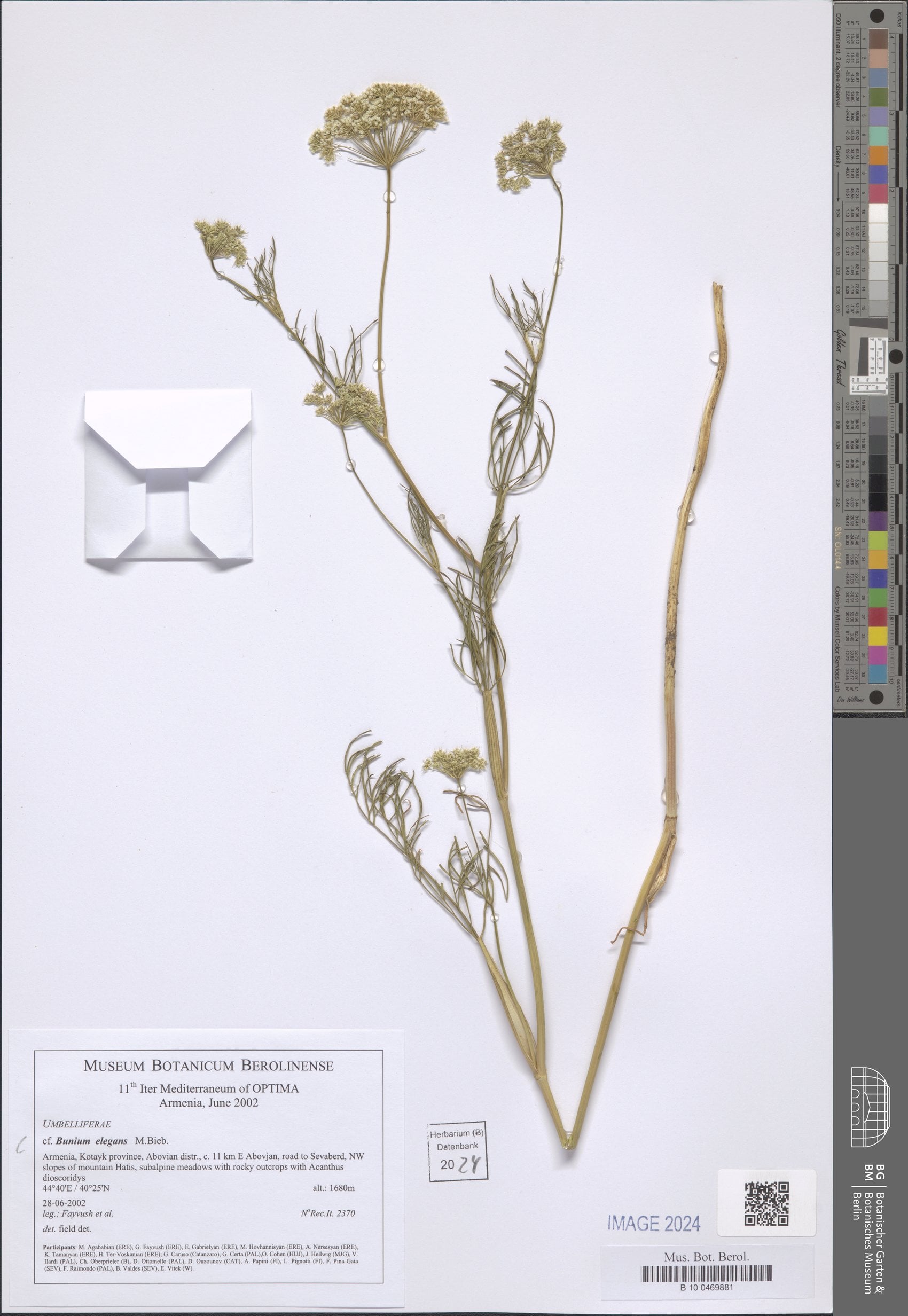
A shrub. It grows 30-80 cm tall. The stems divided. The leaves are 3-8 cm long and divided into lobes.
This description is brief — help expand it
Edible Uses
Young stems are eaten; leaves are used to make tea; the plant also serves as a flavoring.
Distribution
It is a Mediterranean climate plant. It grows in deserts. It can tolerate salt.
Where It Grows
Africa, Egypt, Egypt - Sinai, Israel, Jordan, Libya, Mediterranean, Middle East, North Africa, Saudi Arabia, Tunisia,
Synonyms
Athamanta tortuosa (Desf.) Spreng.Bubon tortuosum Desf.Crithmum pyrenaicum Forssk. ex DelileDeverra tortuosa subsp. arabica Chrtek, Osbornová & KourkováDeverra tortuosa var. rigidior DC.Deverra tortuosa var. virgata DC.Pituranthos tortuosus (Desf.) Benth. & Hook.f. ex Asch. & Schweinf.
References (6)
- Bailey, C. and Danin, A., 1981, Bedouin Plant Utilization in Sinai and the Negev. Economic Botany 35(2): 145-162 (As Pituranthos tortuosus)
- Bidak, L. M., et al, 2015, Goods and services provided by native plants in desert ecosystems: Examples from the northwestern coastal desert of Egypt. Global Ecology and Conservation 3 (2015) 433–447
- El-Lamey, T. M., 2015, Contribution of solutes to the osmotic adjustment of Deverra tortuosa (Desf.) DC. Journal of Biodiversity and Environmental Sciences (JBES) Vol. 7, No. 1, p. 380-395
- Encyclopedia of Life
- Wiersema, J. H. & Leon, B., 2013, World Economic Plants. A Standard Reference CRC Press. 2nd Ed. p 241
Show all 6 references Hide references
- World Checklist of Useful Plant Species 2020. Royal Botanic Gardens, Kew