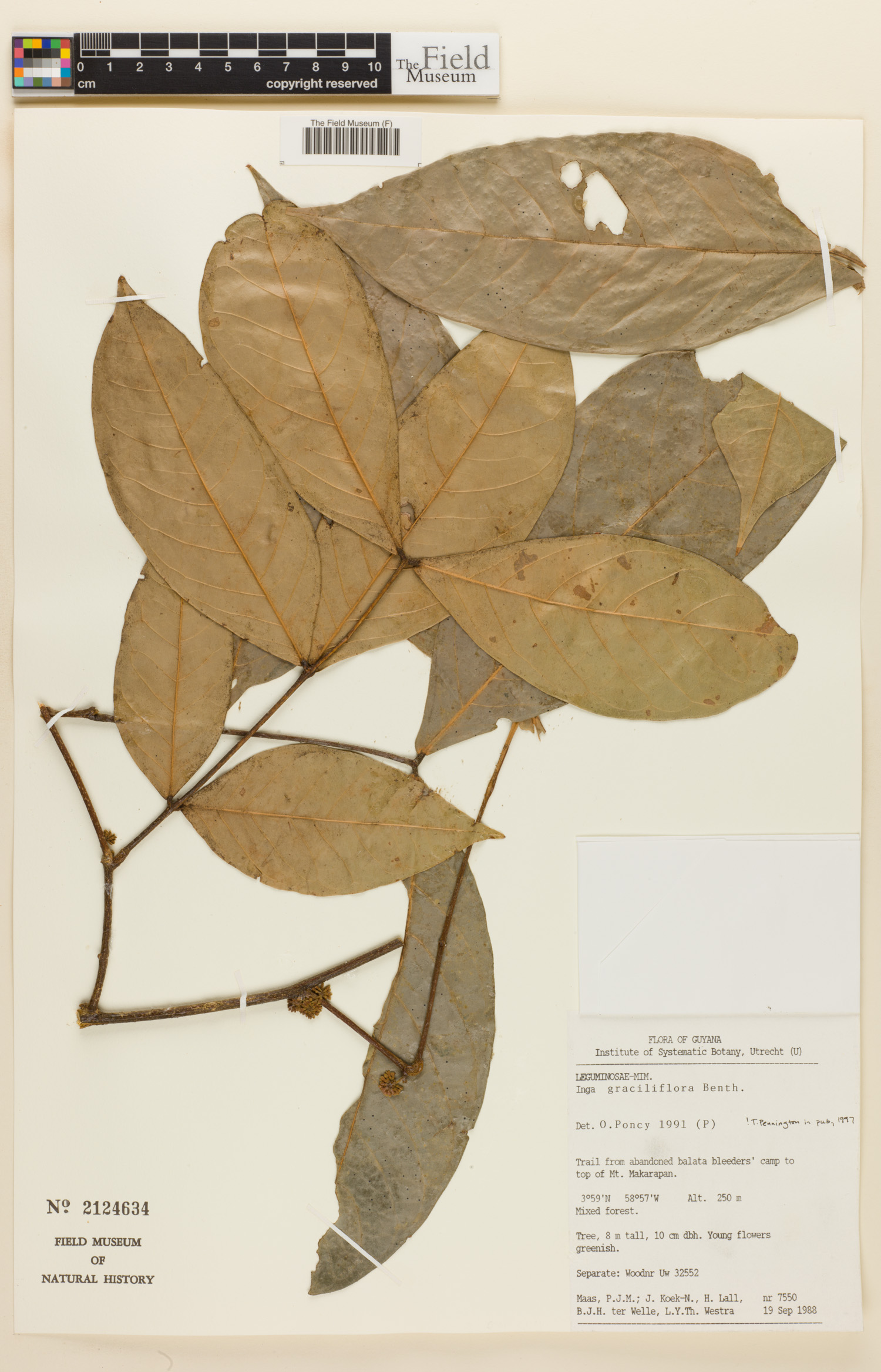
Inga acreana
Harms
Sampi, Acre inga
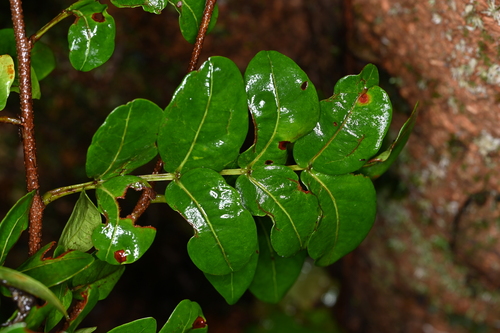
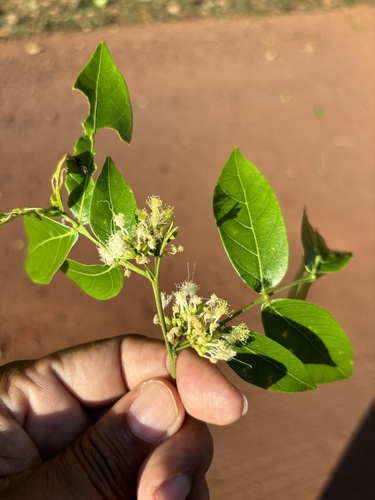
iNaturalist· cc-by-nc
(c) Carlos Felipe Quiñonez-Necpas, some rights reserved (CC BY-NC), uploaded by Carlos Felipe Quiñonez-Necpas
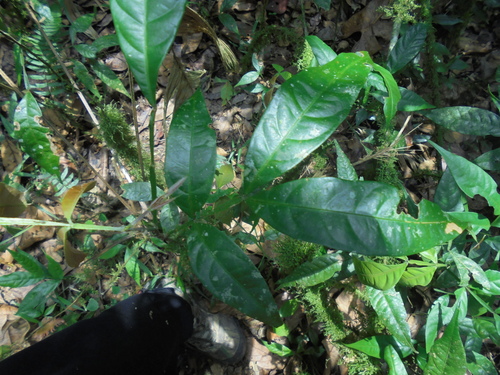
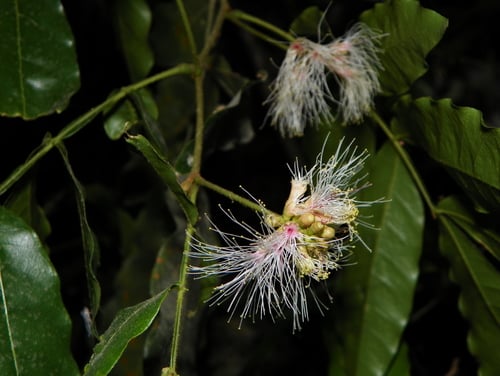
iNaturalist· cc-by-nc
(c) brian_nz, some rights reserved (CC BY-NC), uploaded by brian_nz
iNaturalist· cc-by-nc
(c) Lee Ormsby, some rights reserved (CC BY-NC), uploaded by Lee Ormsby
Description
A tree. The leaves have leaflets along the stalk. The flowers are white. They are in congested spikes. The fruit is a long pod. It has raised edges. There is a white pulp around the seeds.
Edible Uses
The white aril (pulp) surrounding the seeds in the fruit is eaten raw.
Traditional Uses
The aril around the seeds is eaten raw.
This uses section is brief — help expand it
Distribution
It is a tropical plant.
Where It Grows
Amazon, Bolivia, Brazil, Colombia, Ecuador, French Guiana, Guianas, Peru, South America, Suriname, Venezuela,
Cultivation
Plants grow easily from seeds. Seeds germinate in 1-2 weeks given moisture and shade.
Other Information
The fruit are popular.
Notes
Also as Mimosaceae.
Synonyms
Also Known As
Aganawe, Guaba de lluvia, Guabillo, Mimontan, Pahihi, Quini'co fino, Sampi, Unijinga fino, Wewe
References (8)
- Grandtner, M. M. & Chevrette, J., 2013, Dictionary of Trees, Volume 2: South America: Nomenclature, Taxonomy and Ecology. Academic Press p 318
- Lopez-Diago, D. & Garcia, N., 2021, Wild edible fruits of Colombia. Biota ColomBiana 22 (2) p 37
- Philips, O., 1992, The potential for harvesting fruits in tropical rainforests: new data from Amazonian Peru. Biodiversity and Conservation 2, 18-38
- Roa, J. A. G. & Boada, D. S. G., 2018, Fundación para el Fortalecimiento de la Fruticultura y Plantas Alimenticias no Convencionales en Colombia.
- Torre, de la, L., et al, 2008, Enciclopedia de las Plantas Útiles del Ecuador. Herbario QCA. Pontificia Universidad Católica del Ecuador. p 341
Show all 8 references Hide references
- Van den Eynden, V., et al, 2003, Wild Foods from South Ecuador. Economic Botany 57(4): 576-603
- van Andel, T., 2000, Useful plants of Guyana. Non-Timber Forest Products of the North-West District of Guyana Part 2. p 367
- www.proyanomami.org