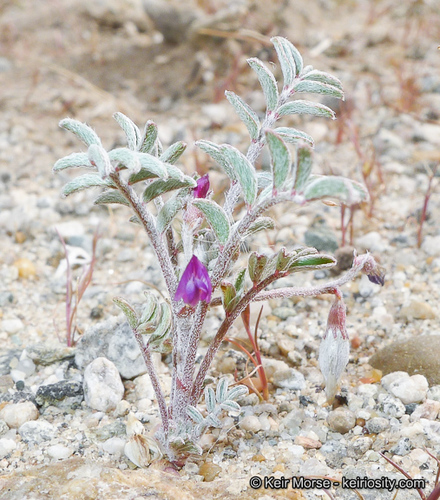
Pericopsis laxiflora
(Benth. ex Baker) van Meeuwen
iNaturalist· cc-by-nc
(c) Abubakar Mu'azu, some rights reserved (CC BY-NC), uploaded by Abubakar Mu'azu
iNaturalist· cc-by-nc
(c) Abubakar Mu'azu, some rights reserved (CC BY-NC)
Summary
Source: WikipediaPericopsis laxiflora is a woody deciduous shrub or tree within the Fabaceae family. Sold commercially as satin wood, it is known in some regions as Kulu Kulu, among the Hausa speaking people, it is called Makarfo, the Yorubas call it Ayan and the Igbos call it Abua-Ocha. It is one of three species in the genus Pericopsis genus that occurs in Africa. The species contains the alkaloids: N-methylcytisine, ammodendrine, and choline.
Description
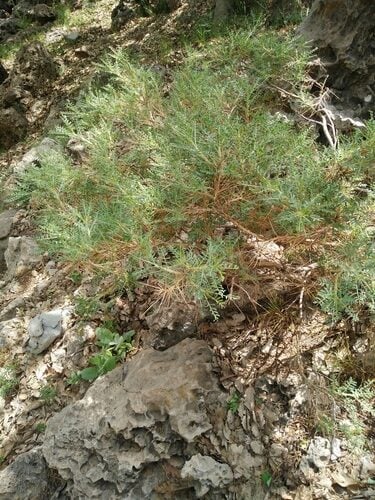
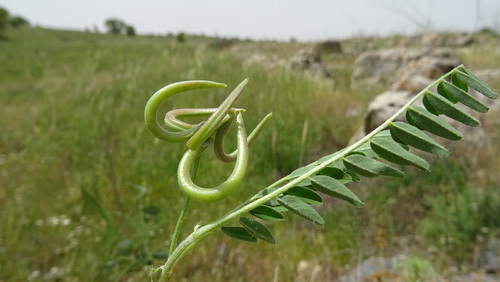
Pericopsis laxiflora is a deciduous shrub or tree with a dishevelled crown of crooked, drooping branches; it usually grows from 9 - 13 metres tall, but is occasionally only a shrub up to 2 metres. The bole is usually twisted and crooked, up to 25cm in diameter. The tree is a popular traditional medicine and is commonly harvested from the wild for local use. It also provides a very good quality timber, but generally only in small dimensions and so is not suitable for commercial exploitation.
Medicinal Uses
Root, bark, leaf decoctions are used to treat stomach ailments in Côte d'Ivoire, while in Guinea, plant extracts are used to treat shigellosis. In Ghana, it is used as a topical treatment for body pain and among some locals in Cameroon, the plant extracts are used by diabetes patients.
Distribution
Tropical Africa - Senegal to Sudan.
Where It Grows
Fruit, Leaves, Vegetable,
Cultivation
This species has a symbiotic relationship with certain soil bacteria; these bacteria form nodules on the roots and fix atmospheric nitrogen. Some of this nitrogen is utilized by the growing plant but some can also be used by other plants growing nearby.
Other Uses
The wood is very similar to Pericopsis angolensis, and can be used for the same purposes, but larger sizes are not available. The description and uses of the wood of Pericopsis angolensis are as follows:- The heartwood is greenish brown, turning dark brown to almost black upon drying; it is distinctly demarcated from the up to 25mm wide band of whitish to yellowish grey sapwood. The grain is interlocked; texture moderately fine; the wood is strikingly banded or shows a whorled figure; it is oily to the touch. The wood is heavy, very hard, very durable and resistant to fungi, termites and all wood borers including marine borers. It is also highly resistant to abrasive action and chemicals. It air dries very slowly but with little degrade, except slight surface checking. The rates of shrinkage are low; once dry it is moderately stable in service. The wood is difficult to saw and work because of its high density; it is rather difficult to plane and a cutting angle of 20% is recommended, but it has a smooth finish; it holds nails and screws well, but pre-boring is necessary; gluing, staining and polishing do not cause problems. The wood turns well; bending properties are moderate. Traditionally, the extremely durable wood is highly esteemed for making hoes and pestles, and for the rims and hubs of wagon wheels. Commercially, if pieces sufficiently large are available, the wood is used for flooring and panelling, and it is also suitable for heavy construction, railway sleepers, mine props, ship building, vehicle bodies, fence poles, vats, interior trim, joinery, furniture, cabinet work, handles, ladders, agricultural implements, sporting goods, musical instruments, toys, novelties, precision equipment, carvings and turnery. The wood is used as a fuel - it is difficult to light, but produces great heat and little ash. It also makes excellent charcoal.
Other Information
Fabaceae
Notes
A tree.
Synonyms
Also Known As
Baba, Buba, Culecule, Cula-cula, Culi-culi, Koloklo, Koulo
References (5)
- Chapman, J. D. & Chapman, H. M., 2001, The Forest Flora of Taraba and Andamawa States, Nigeria. WWF & University of Canterbury. p 186
- Diarra, N. et al, 2016, Etude ethnobotanique des plantes alimentaires utilisées en période de soudure dans les régions Sud du Mali. Int. J. Biol. Chem. Sci. 10(1): 184-197
- Grubben, G. J. H. and Denton, O. A. (eds), 2004, Plant Resources of Tropical Africa 2. Vegetables. PROTA, Wageningen, Netherlands. p 564
- Kristensen, M and Lykke, A. M., 2003, Informant-Based Valuation of Use and Conservation Preferences of Savanna Trees in Burkina Faso. Economic Botany, Vol 57, No. 2, pp. 203-271
- N'Danikou, S. et al, 2010, Eliciting Local Values of Wild Edible Plants in Southern Bénin to Identify Priority Species for Conservation. Economic Botany, 20(10), 2011, pp. 1–15.