Tephrosia dregeana
E. Mey.
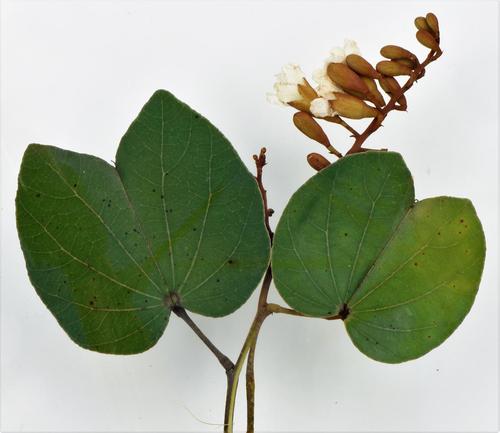
iNaturalist· cc-by-nc
(c) peterweston, some rights reserved (CC BY-NC)
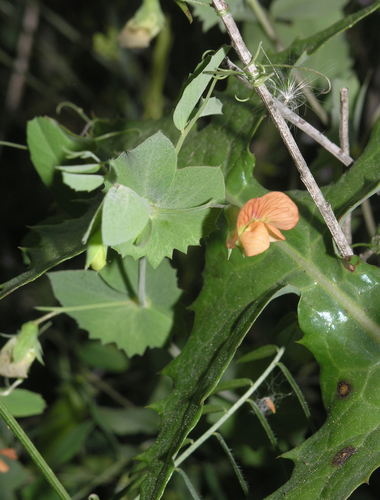
iNaturalist· cc-by-nc
(c) Bart Wursten, some rights reserved (CC BY-NC), uploaded by Bart Wursten
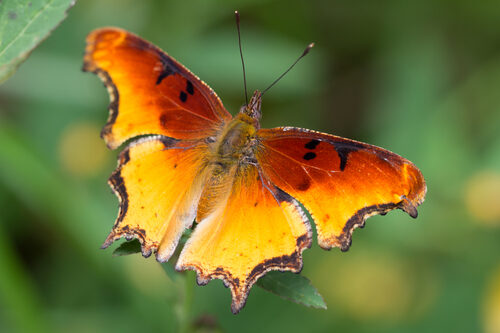
iNaturalist· cc-by-nc
(c) c_rickert, some rights reserved (CC BY-NC)
Description
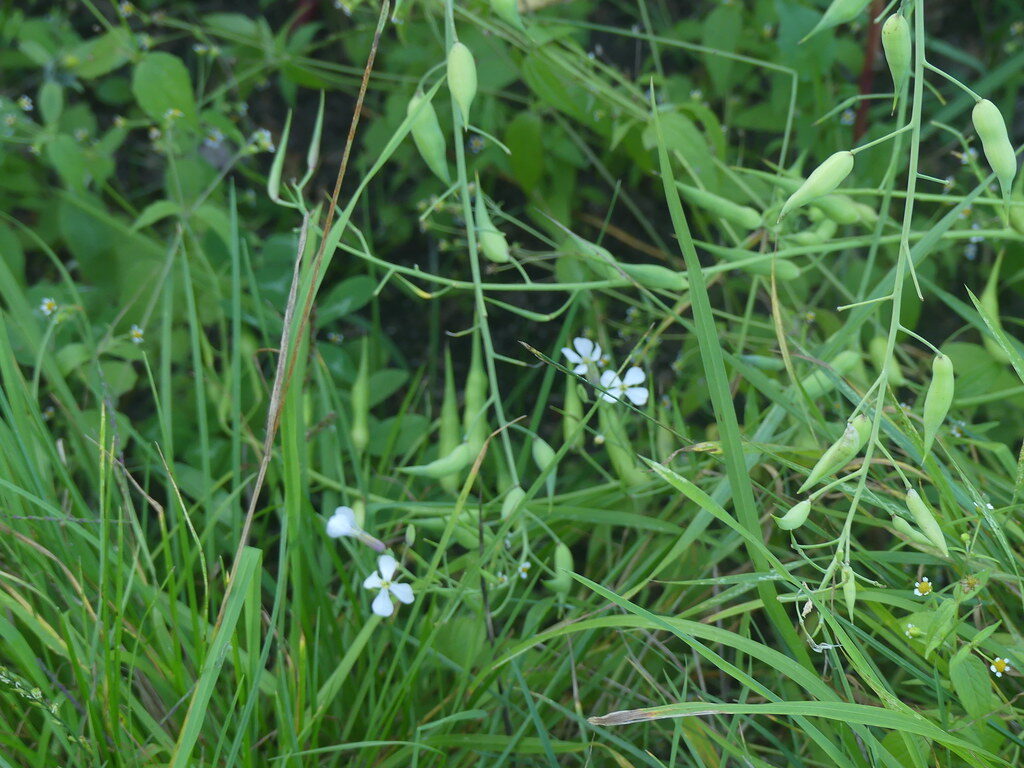
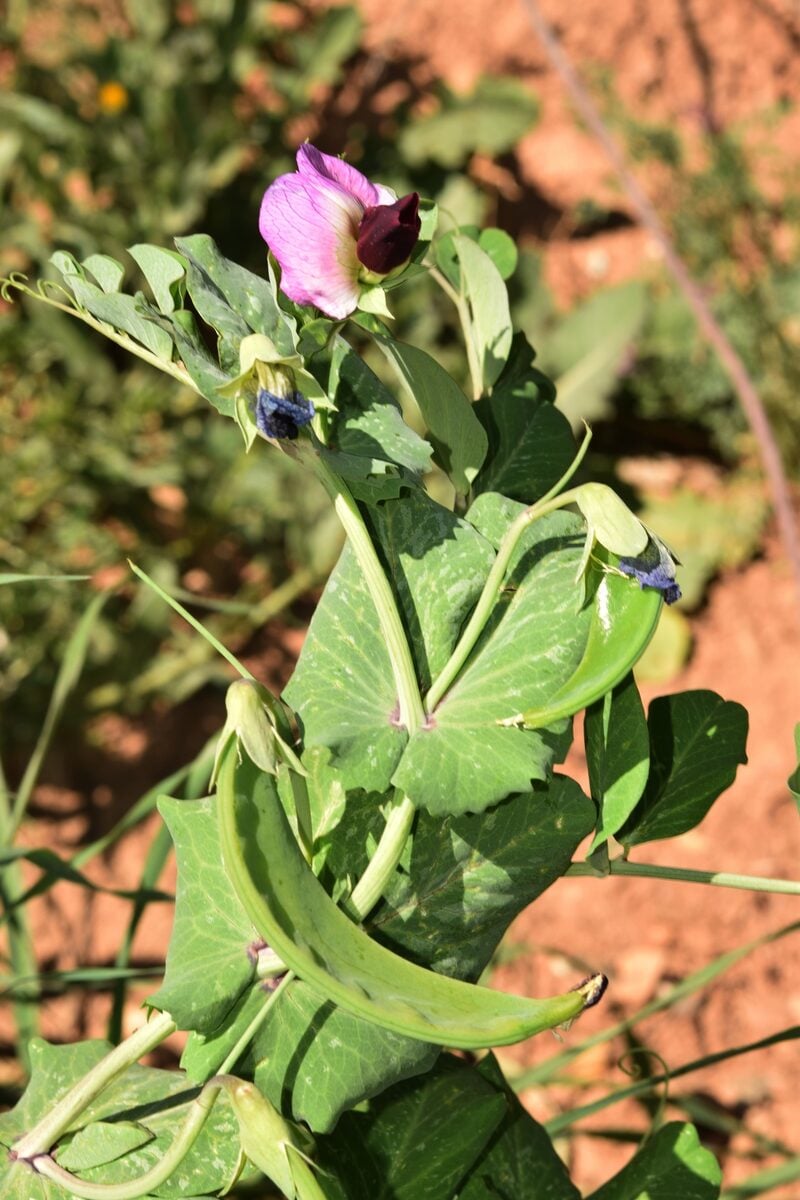
A herb. It can grow each year from seed or keep growing for a few years. It grows 1 m high. The leaves are made up of 2-5 pairs of leaflets along the stalk. The leaflets are 3-9 cm long by 2-8 mm wide. The flowers are lilac coloured. They are in groups. The fruit are small yellowish-green pods. These are 15-30 mm long by 3-4 mm wide. They have a small beak. They contain 3-5 seeds.
Edible Uses
The root is eaten as a snack and used as a milk coagulant.
Traditional Uses
The root is used to curdle milk. It is also eaten as a snack.
This uses section is brief — help expand it
Distribution
It is a tropical plant. It grows in gravel plains.
Where It Grows
Africa, Botswana, Namibia, Southern Africa,
References (5)
- Ruiters-Welcome, A. K., 2019, Food plants of southern Africa. Ph.D. thesis. Univ. of Johannesburg p 61
- Van Damme, P et al, 1922, Plant Uses by the Topnaar of the Kuiseb Valley Namib Desert. Afrika Focus Vol. 8(3-4):223-252
- van Wyk, Ben-Erik, 2019, The diversity and multiple uses of southern African legumes. Australian Systematic Botany, 2019, 32, 519–546
- Welcome, A. K. & Van Wyk, B.-E., 2019, An inventory and analysis of the food plants of southern Africa. South African Journal of Botany 122 (2019) 136–179
- World Checklist of Useful Plant Species 2020. Royal Botanic Gardens, Kew