Tephrosia elegans
Schumach.
gbif· cc-by
Royal Botanic Gardens, Kew
gbif· cc-by
Royal Botanic Gardens, Kew
Description
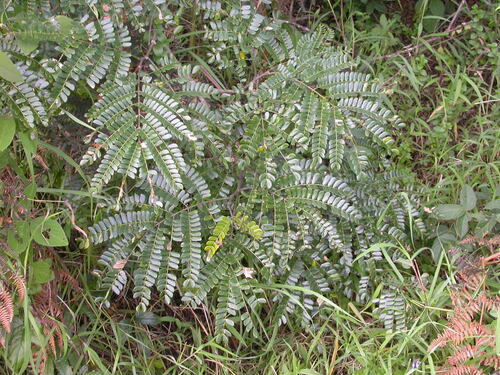
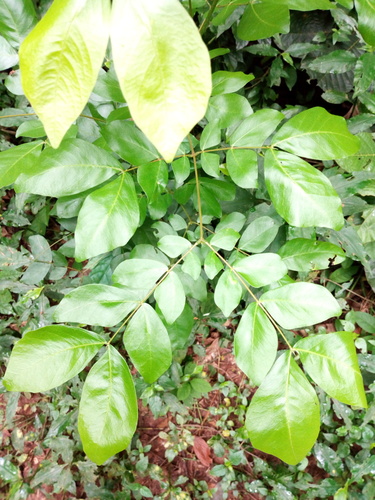
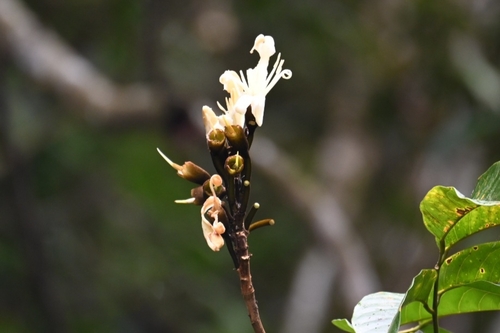
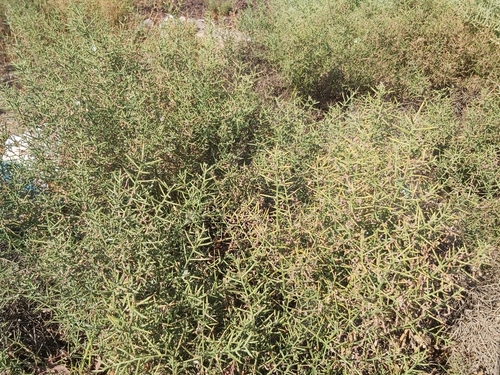
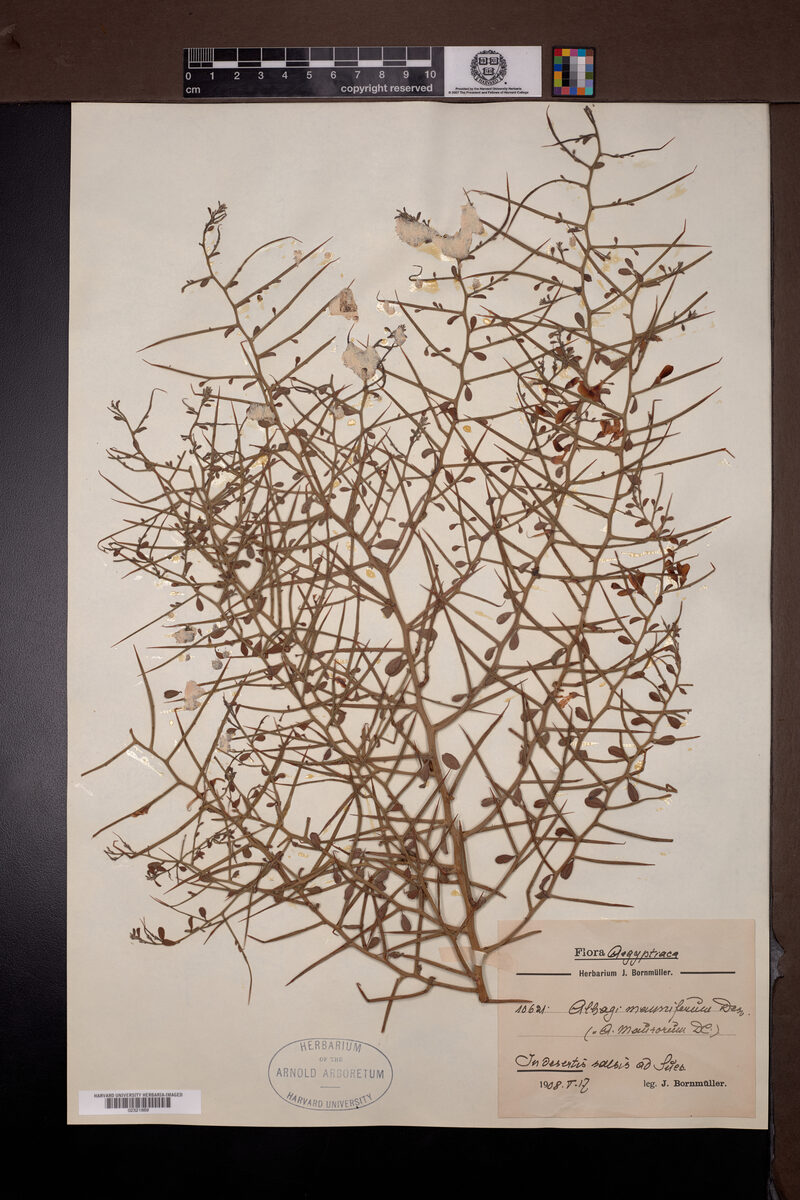
An annual herb or small shrub in the Fabaceae family, growing to 60 cm high. Found in tropical sandy grasslands, damp sites, savannah woodland, and palm groves.
Edible Uses
The leaves are eaten as a vegetable.
Traditional Uses
The leaves are eaten as a vegetable.
This uses section is brief — help expand it
Known Hazards
The plant is used as a fish poison; caution is advised.
Distribution
A tropical plant. It grows in sandy grasslands and damp sites. It can be in savannah woodland or palm groves.
Where It Grows
Africa, Angola, Burkina Faso, Central Africa, Congo, Côte d'Ivoire, East Africa, Ghana, Guinea, Guinée, Guinea-Bissau, Ivory Coast, Senegal, Sierra Leone, Sudan, Uganda, West Africa,
Notes
There are about 400 Tephrosia species. Also as Papilionaceae. It is used as a fish poison.
Also Known As
Banglare, Bayno, Ledoro nessub, Sireseugela
References (4)
- Beskr. Guin. pl. 376. 1827
- Burkill, 1995,
- Martin, F.W. & Ruberte, R.M., 1979, Edible Leaves of the Tropics. Antillian College Press, Mayaguez, Puerto Rico. p 200
- Terra, G.J.A., 1973, Tropical Vegetables. Communication 54e Royal Tropical Institute, Amsterdam, p 79