Eragrostis aethiopica
Chiov.
gbif· cc-by
Royal Botanic Gardens, Kew
gbif· cc-by
Royal Botanic Gardens, Kew
gbif· cc-by-nc-sa
MBG
Description
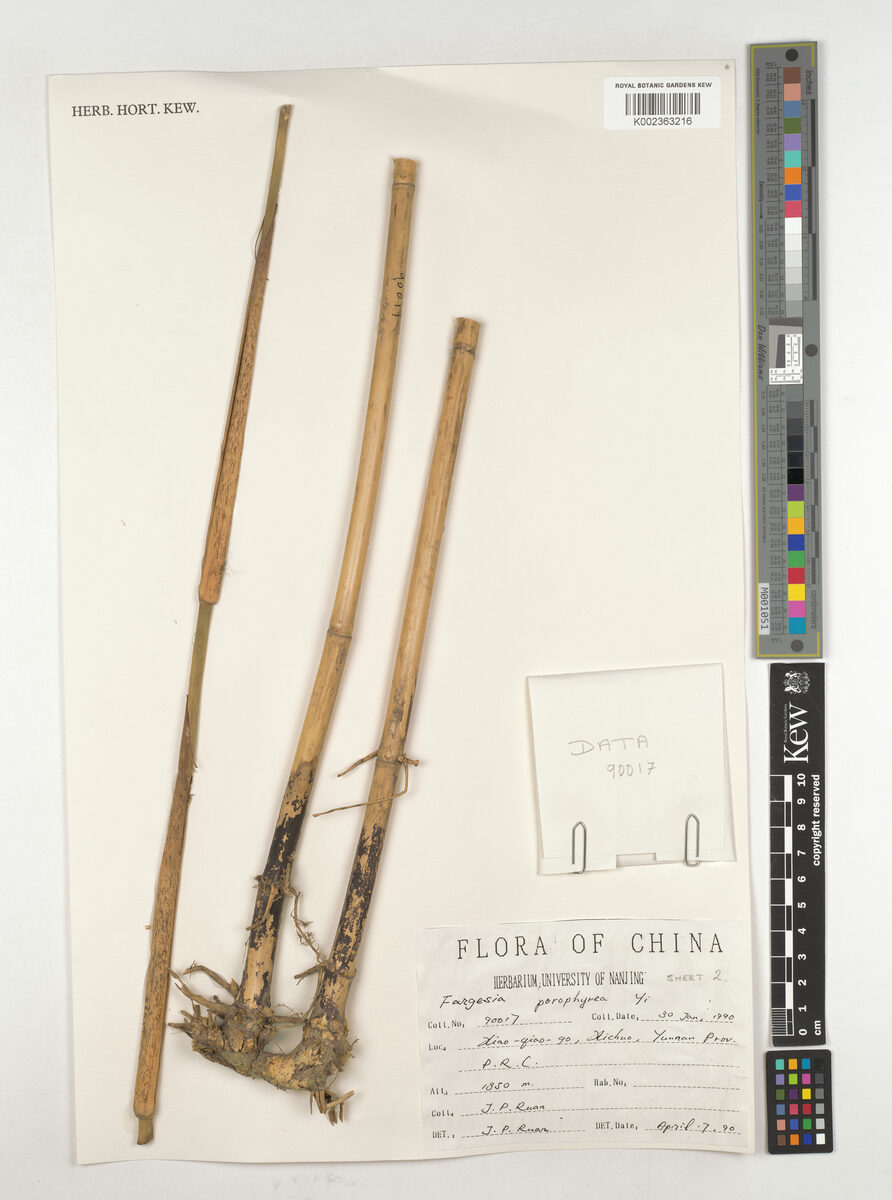
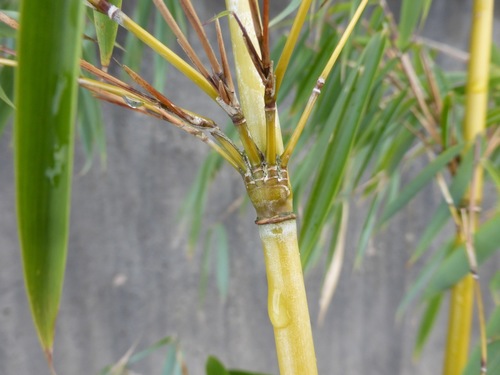
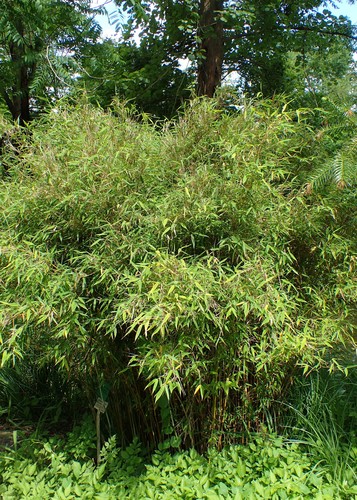
An annual grass. It forms loose tufts. It grows 60 cm high. The stalks are slender. The leaf blade is flat and 3-20 cm long by 1-3 mm wide. The flower panicle is 6-25 cm long and delicate and open. The branches are in loose rings. The spikelets have 6-18 flower. The seeds are 0.5 mm long.
Edible Uses
Seed. Sometimes eaten as a cereal. The seed is small and fiddly to utilize - it is most commonly seen as a famine food, used when nothing better is available.
Traditional Uses
The seeds are eaten as a grain.
This uses section is brief — help expand it
Distribution
It is a tropical plant. It grows in alluvial soils and sand. It grows between 20-1,400 m above sea level.
Where It Grows
Africa, Angola, Arabia, Botswana, Central Africa, Congo, Djibouti, East Africa, Eritrea, Ethiopia, Kenya, Madagascar, Malawi, Middle East, Mozambique, Somalia, South Africa, Southern Africa, Tanzania, Uganda, Zambia, Zimbabwe,
Cultivation
The plant is considered to be a weed is some areas, such as Mozambique.
Propagation
Seed - sow in situ, only just covering the seed. Germination is usually very quick and free.
Synonyms
Also Known As
Ahipilo, Madh-weyn
References (2)
- Asfaw, Z. and Tadesse, M., 2001, Prospects for Sustainable Use and Development of Wild Food Plants in Ethiopia. Economic Botany, Vol. 55, No. 1, pp. 47-62
- World Checklist of Useful Plant Species 2020. Royal Botanic Gardens, Kew