Salvia frigida
Boiss.
wikimedia· cc-by
Wikimedia Commons - Bornmüller,J.F.N.
wikimedia· cc0
Wikimedia Commons - Patrick Alexander from Las Cruces, NM
Summary
Source: WikipediaSalvia frigida is a herbaceous perennial in the family Lamiaceae. It is native to northern Iraq, northwestern Iran, and eastern Turkey growing at 900 to 2,500 m (3,000 to 8,200 ft) elevation. It is often found growing in Anatolia, on woodland edges, meadows, limestone slopes, and crevices. The specific epithet, frigida, refers to the cold regions where it typically grows. This very small Salvia usually puts up one 30 cm (12 in) flowering stem. The 6 cm (2.4 in) basal leaves have long wooly hairs, with the leaves sometimes surviving mild winters. The 2.5 cm (0.98 in) flowers are white or pale lilac, growing in whorls of two to six.
Description
A herb. It is small and is 30 cm tall with its flowering stem. The leaves at the base are 6 cm long. They are hairy. The flowers are 2.5 cm across and white or pink. The grow in rings of 2-6.
Edible Uses
The shoots are eaten.
Distribution
It is a temperate plant. It grows between 900-2,500 m above sea level
Where It Grows
Iran, Iraq, Turkey, Türkiye,
Synonyms
Also Known As
Sagir salba
References (1)
- Ertug, F, Yenen Bitkiler. Resimli Türkiye Florası -I- Flora of Turkey - Ethnobotany supplement
More from Lamiaceae
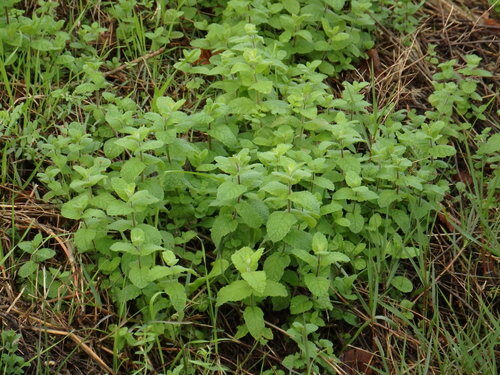
Mentha suaveolens
Round-Leaved Mint, Apple mint, Pineapple Mint
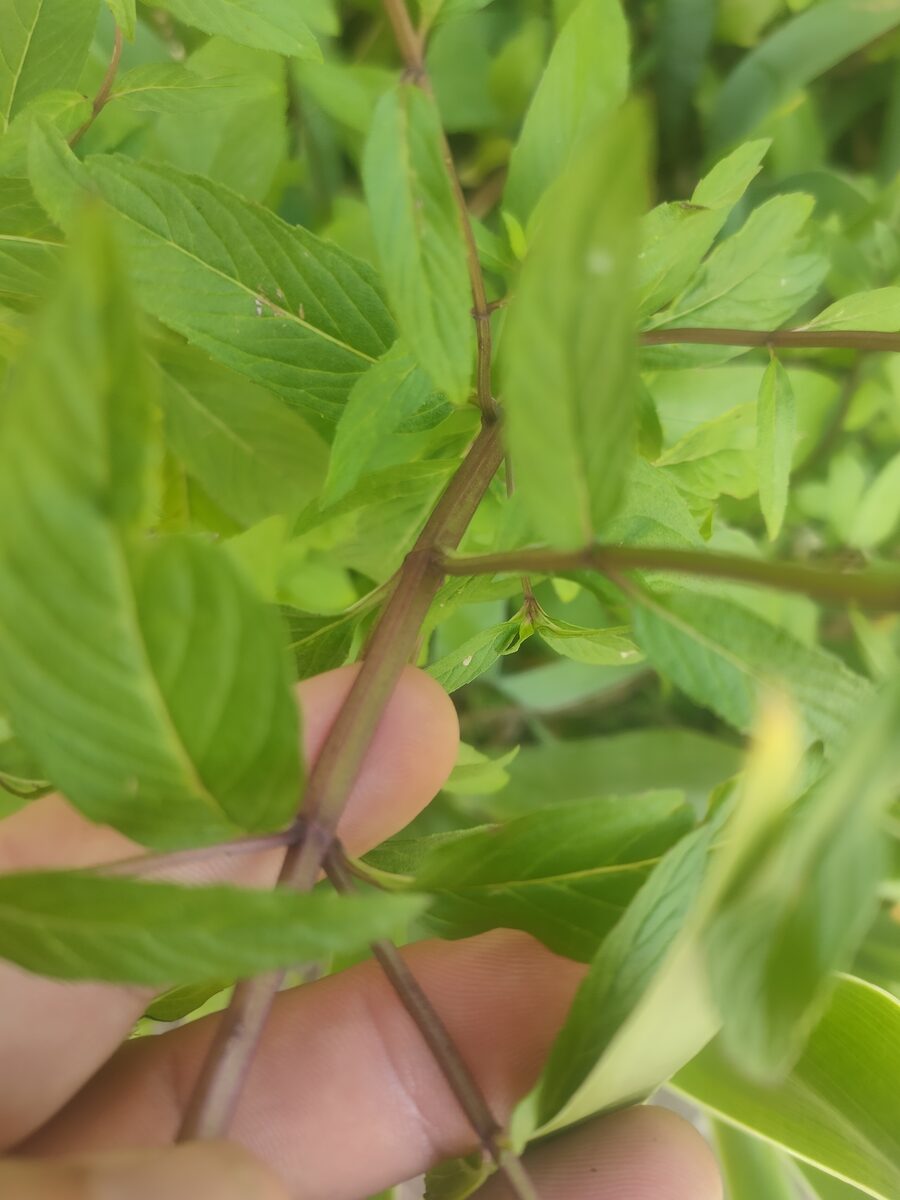
Mentha x gracilis
Ginger Mint
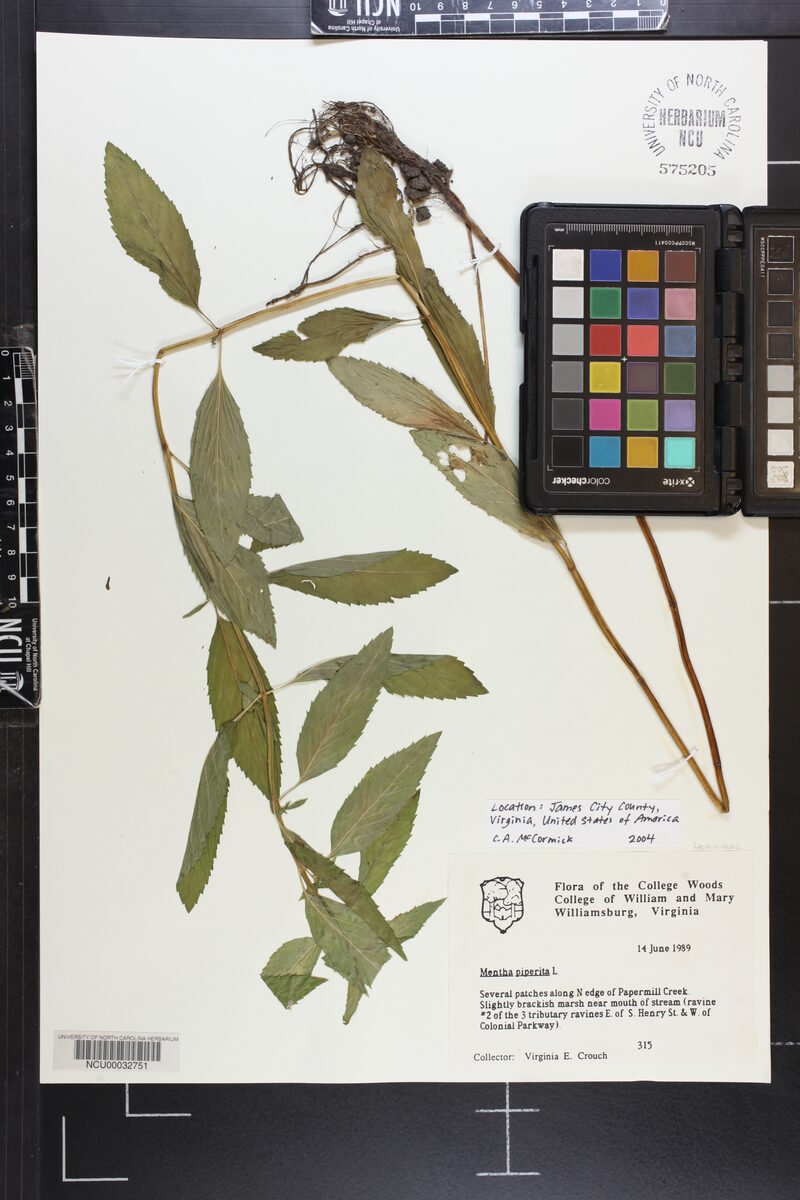
Mentha x piperita citrata - (Ehrh.)Briq.
Eau De Cologne Mint, Eau de Cologne Mint, Peppermint
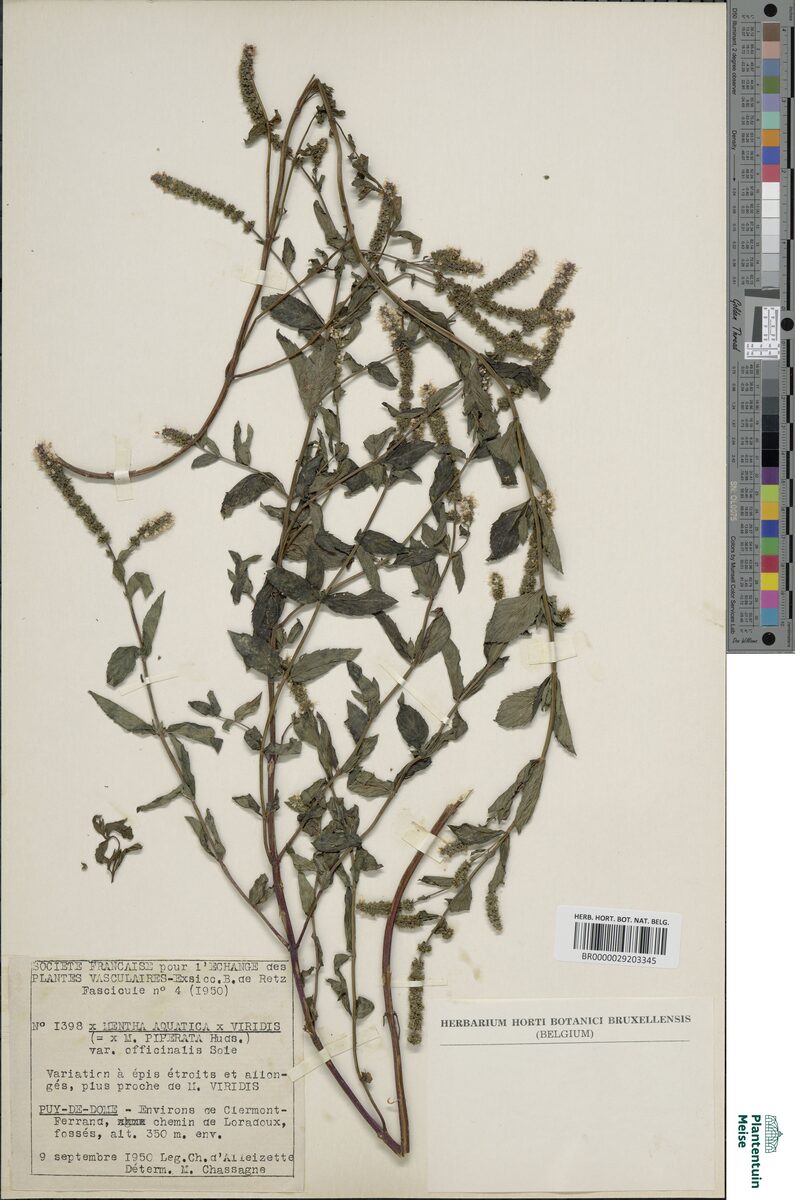
Mentha x piperita officinalis
White Peppermint
Mentha x piperita vulgaris
Black Peppermint
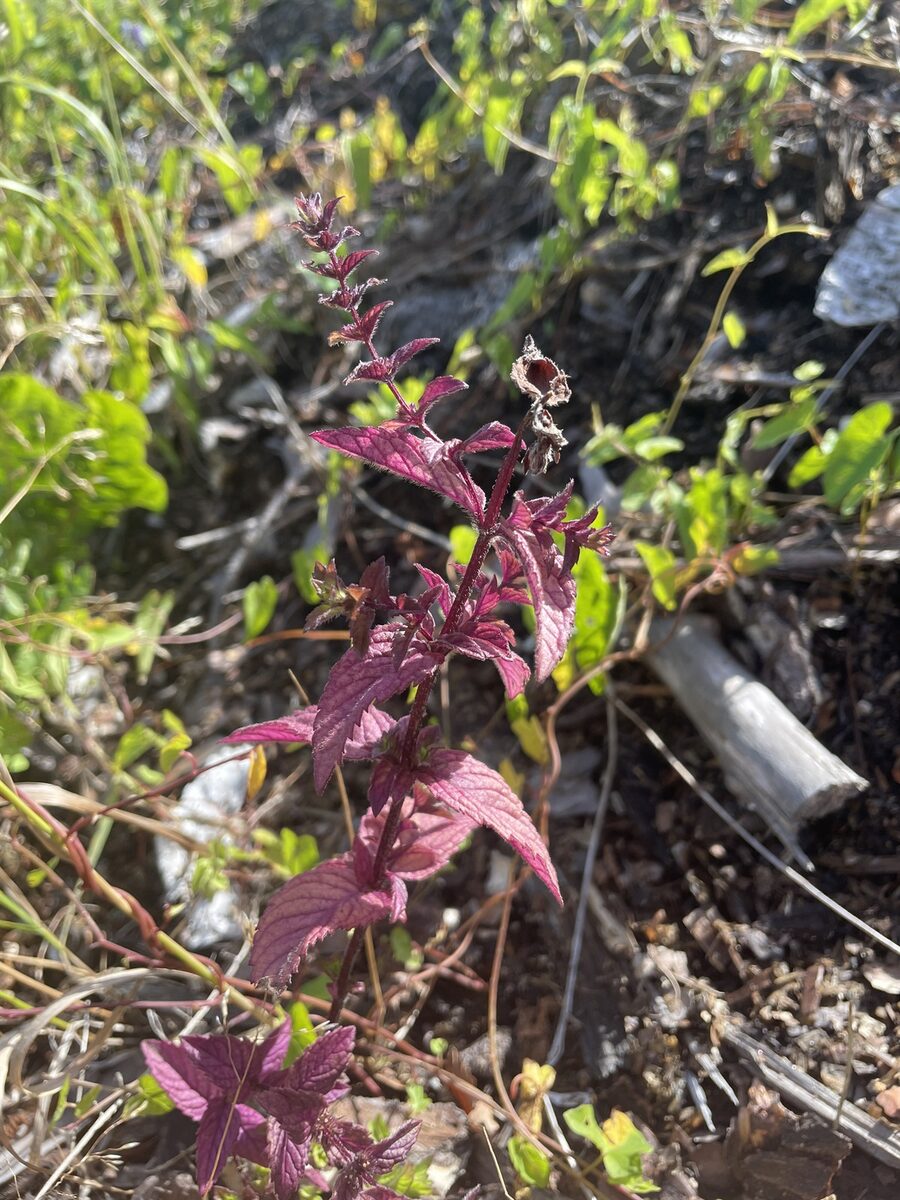
Mentha x smithiana
Red Raripila Mint