Sideroxylon altamiranoi
(Rose and Standley) Pennington
Capulin
iNaturalist· cc-by-nc
(c) Emiliano Sánchez Martínez, some rights reserved (CC BY-NC), uploaded by Emiliano Sánchez Martínez
iNaturalist· cc-by-nc
(c) Emiliano Sánchez Martínez, some rights reserved (CC BY-NC)
Summary
Source: WikipediaSideroxylon altamiranoi is a species of plant in the family Sapotaceaey. It is endemic to two states of Mexico: Querétaro and Hidalgo.
Description
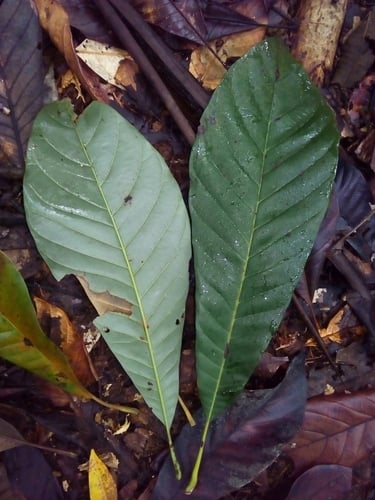
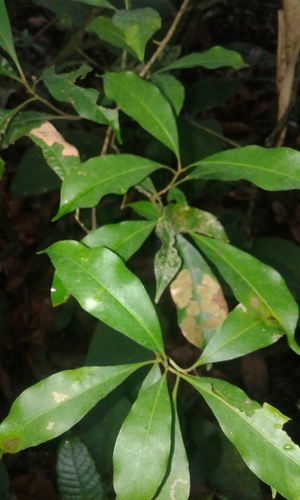
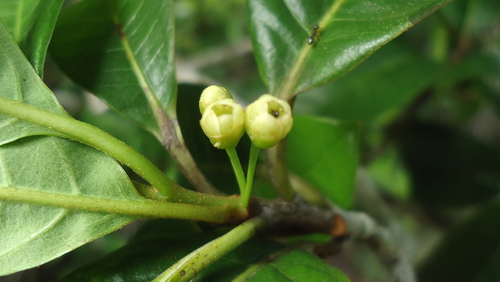
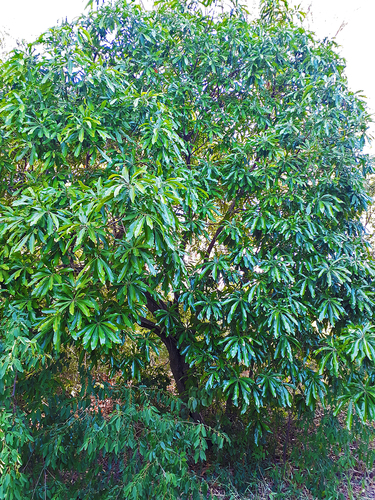
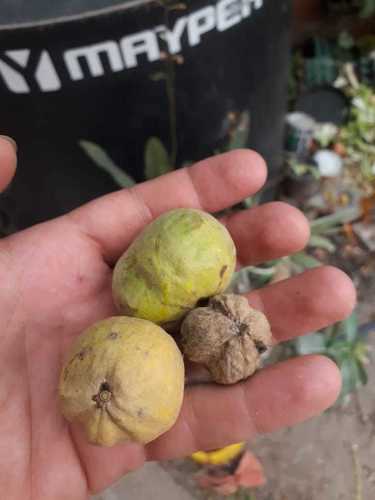
A tree. It grows to 10 m high. The young branches can have soft hair. There are usually spines. The leaves are arranged in spirals. They can be in tufts. The leaves are 2-4 cm long by 1.2-2.8 cm wide. There are 6-10 pairs of side veins. The flowers are cream coloured. The fruit are 1.2-2 cm long. There is one seed. The fruit are edible.
Edible Uses
Fruit - raw. A sweet and pleasant taste. The ellipsoid fruit is 12 - 20mm long, containing 1 - 2 large seeds.
Distribution
It is a subtropical plant. It grows at about 2,700 m altitude in Mexico.
Where It Grows
Central America, Mexico, North America,
Notes
There are 75 Sideroxylon species. There are about 50 Sideroxylon species in tropical America.
Synonyms
Also Known As
Huicicialtematl
References (4)
- Bircher, A. G. & Bircher, W. H., 2000, Encyclopedia of Fruit Trees and Edible Flowering Plants in Egypt and the Subtropics. AUC Press. p 68 (As Bumelia altamiranoi)
- Kermath, B. M., et al, 2014, Food Plants in the Americas: A survey of the domesticated, cultivated and wild plants used for Human food in North, Central and South America and the Caribbean. On line draft. p 801
- Pennington, T.D., 1990, Sapotaceae in Flora Neotropica Monograph 52. New York Botanical Gardens. p 167
- Smith, N., Mori, S.A., et al, 2004, Flowering Plants of the Neotropics. Princeton. p 342