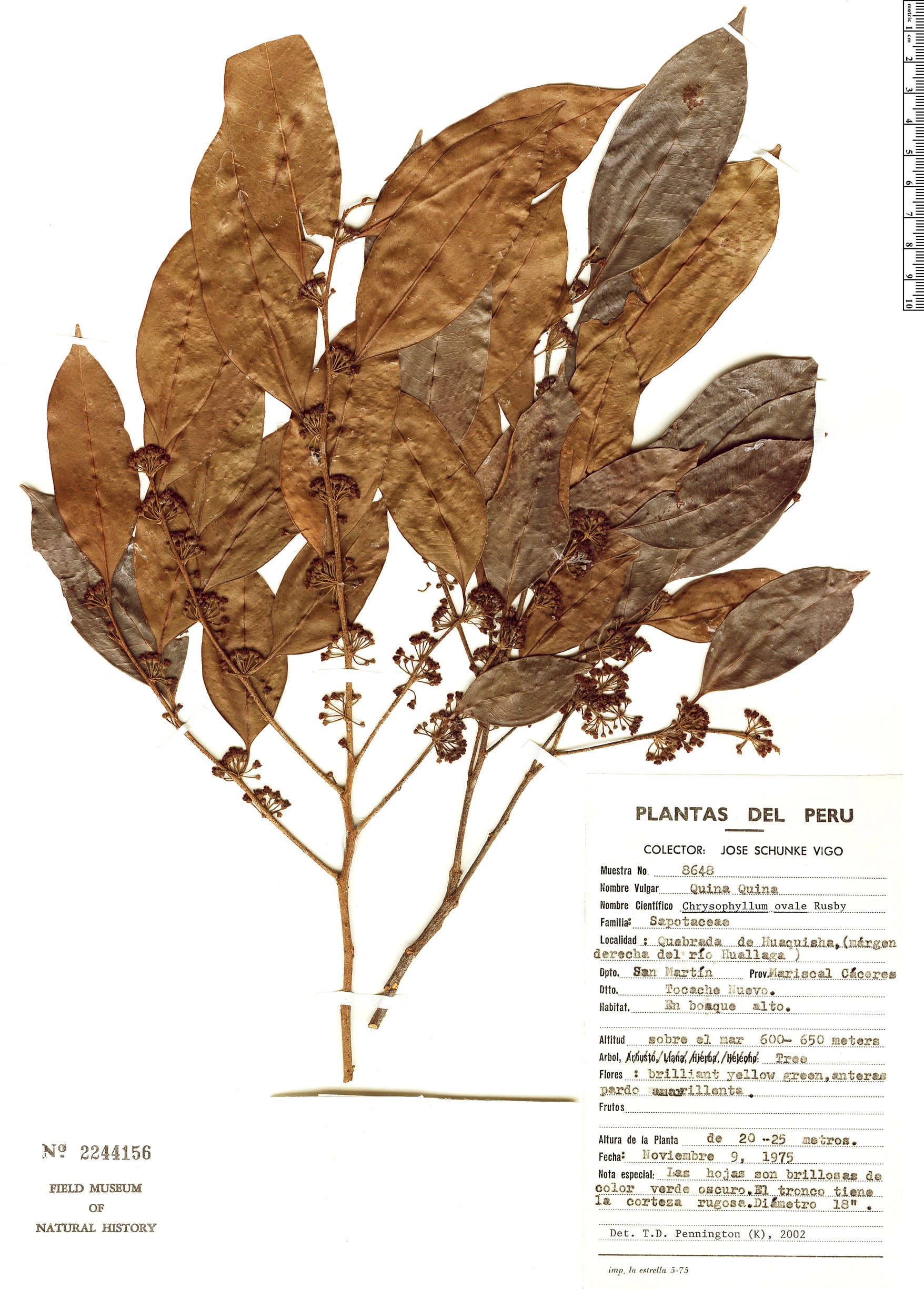
Pradosia schomburgkiana
(A. DC.) Cronquist
Schomburgk pradosia
gbif· cc-by
The New York Botanical Garden
gbif· cc0
Timothy Diamond
gbif· cc-by
Royal Botanic Gardens, Kew
Description
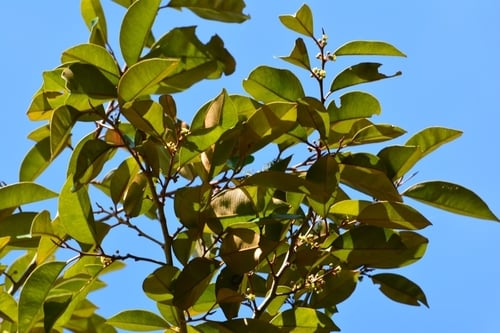
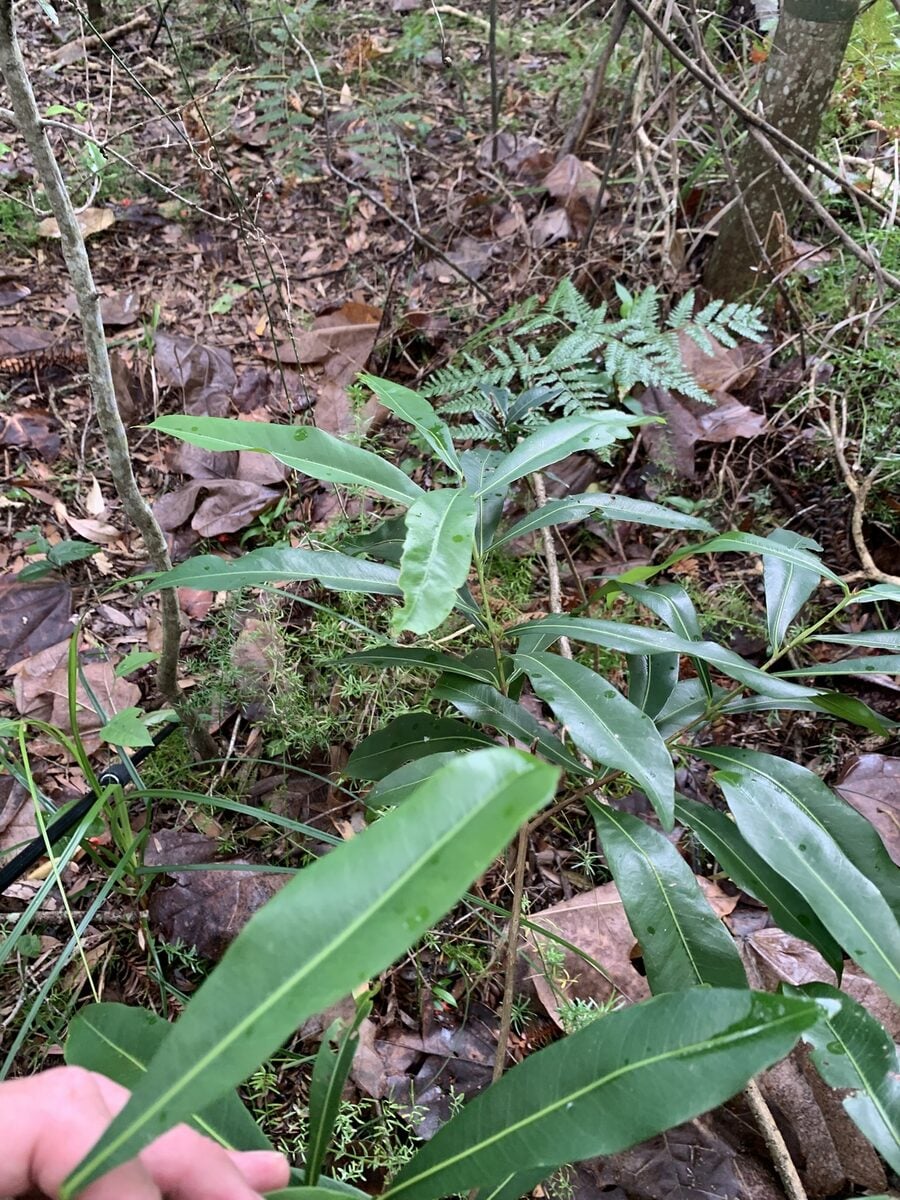
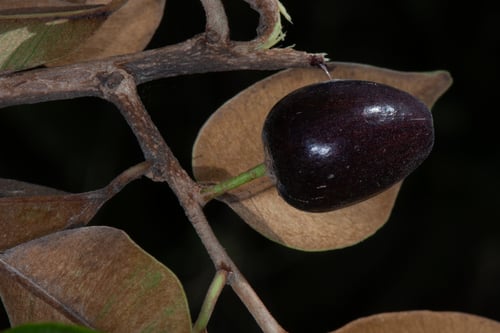
A large tree. It grows 10 - 36 m tall. It has white latex. The bark is light brown. The young branches are rusty brown. The leaves are leathery. The flowers are produced from the main branches near the leaves. There are 5-25 in a group. The fruit is fleshy.
Edible Uses
Both the fruit and the latex from the inner bark are eaten; both are reported to be sweet.
Traditional Uses
The fruit are sweet. The latex of the inner bark is sweet.
This uses section is brief — help expand it
Medicinal Uses
A decoction of the bark is used to treat coughs. The bark is used to treat tuberculosis and also for coughs and colds.
Distribution
It is a tropical plant. It grows in swamp forest. It grows up to 1,400 m above sea level.
Where It Grows
Amazon, Brazil, Colombia, Guianas, Guyana, South America, Suriname, Venezuela,
Other Uses
We do not have any information on the wood of this species, but a general description of the wood for members of this genus growing in northern S. America is as follows:- The heartwood is yellowish or grayish-brown with more or less reddish cast; it is not always distinct from the narrow band of yellowish or grayish sapwood. The texture is fine to medium, uniform; the grain usually straight, sometimes interlocked; lustre is low; there is no characteristic odour but the taste is sometimes bitter or astringent. Heartwood is rated as durable in test exposures to white-rot and brown-rot organisms, but it is not suggested for uses where high durability is required. Drying is rapid but may result in severe checking and moderate warp; a reduced drying rate may minimize degrade. The wood works easily and finishes to a smooth surface; it has good steam-bending properties. It is used for purposes such as general construction and heavy-duty flooring, whilst it has also been suggested for tight cooperage, tool handles.
Synonyms
Also Known As
Ajarahy, Ajarai, Cacarrowa, Casca-doce, Kakarua, Miraceem, Pau-doce
References (5)
- Grandtner, M. M. & Chevrette, J., 2013, Dictionary of Trees, Volume 2: South America: Nomenclature, Taxonomy and Ecology. Academic Press p 324
- Kermath, B. M., et al, 2014, Food Plants in the Americas: A survey of the domesticated, cultivated and wild plants used for Human food in North, Central and South America and the Caribbean. On line draft. p 700
- Roa, J. A. G. & Boada, D. S. G., 2018, Fundación para el Fortalecimiento de la Fruticultura y Plantas Alimenticias no Convencionales en Colombia.
- van Andel, T., 2000, Useful plants of Guyana. Non-timber forest products of the North-West District of Guyana. Part 2. A Field Guide. Tropenbos-Guyana Programme. p 306
- Van Roosmalen, M.G.M., & Garcia, O. M., 2000, Fruits of the Amazonian Forest. Part 2: Sapotaceae. Acta Amazonica 30(2): 187-290