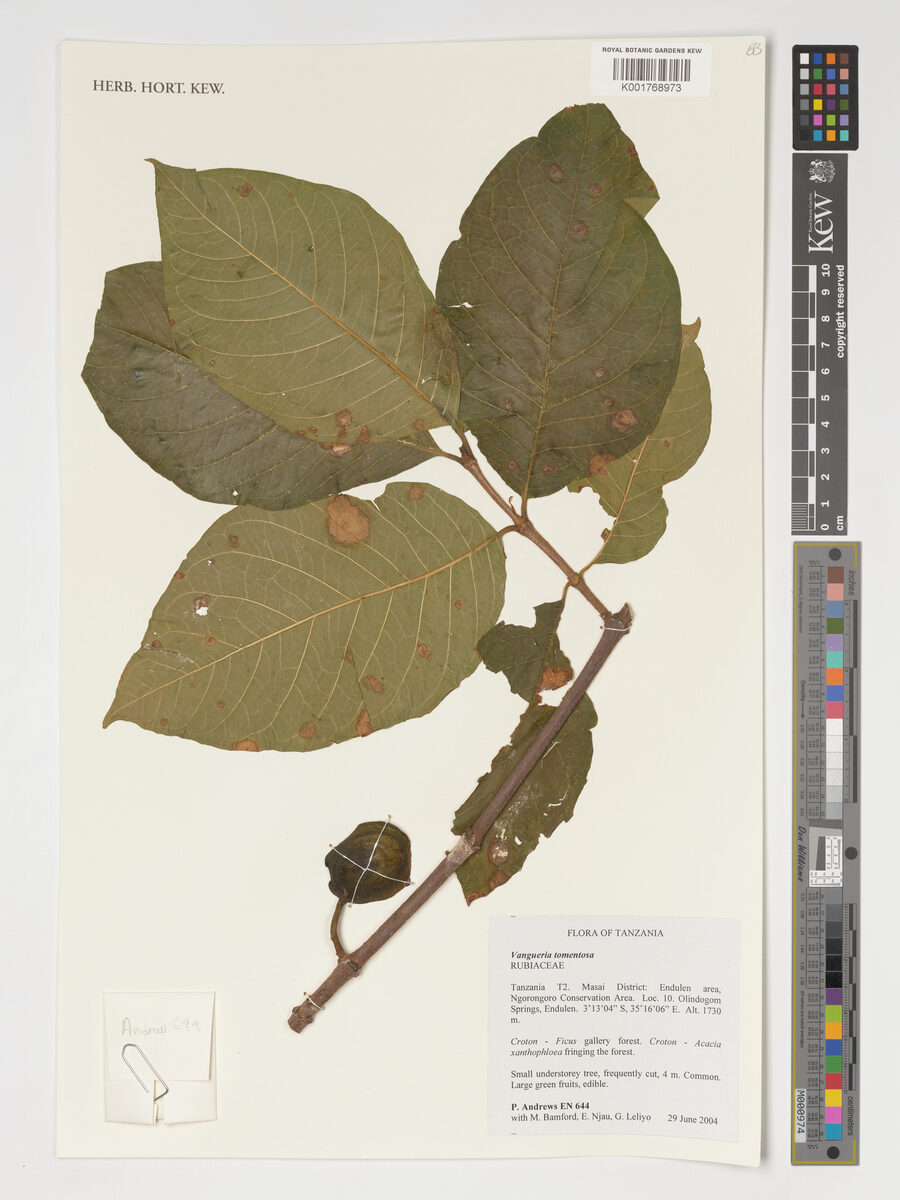
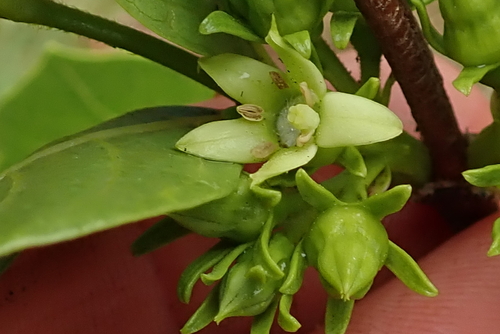
Psychotria berteroana
DC.
iNaturalist· cc-by-nc
(c) Julio Campis, some rights reserved (CC BY-NC)
iNaturalist· cc-by-nc
(c) Julio Campis, some rights reserved (CC BY-NC)
iNaturalist· cc-by-nc
(c) Julio Campis, some rights reserved (CC BY-NC)
Description
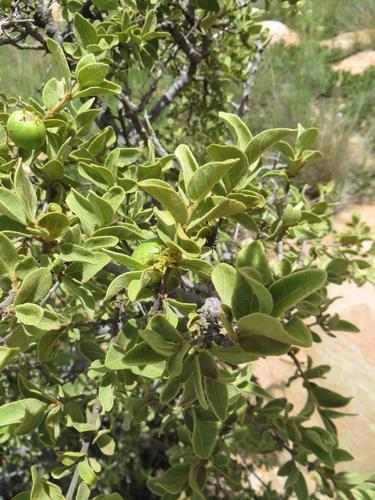
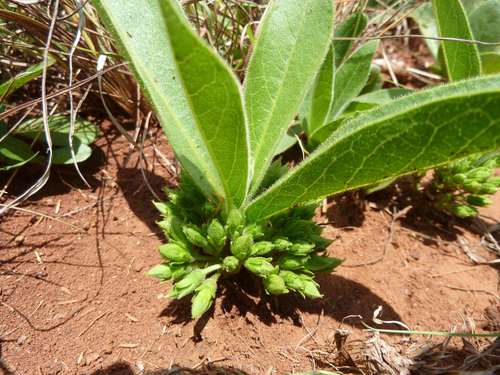
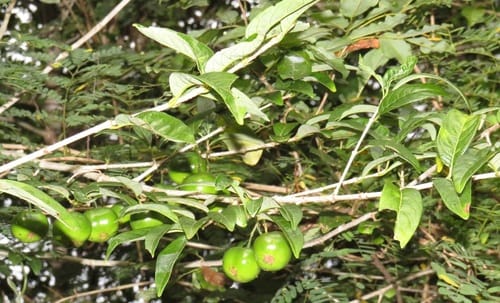
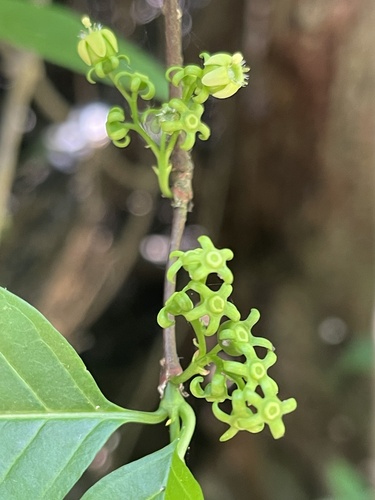
A shrub. It grows 5 m tall. The leaves are simple and opposite. They are oblong and 7-20 cm long by 3-8 cm wide. The flowering shoots are 5-22 cm long. The flowers are white. Ripe fruit turn yellow.
Edible Uses
The ripe fruit are eaten fresh or crushed to make a drink.
Traditional Uses
The ripe fruit are eaten fresh. They are also crushed to make a drink.
This uses section is brief — help expand it
Distribution
It is a tropical plant. It grows in deciduous forest. It occurs from sea level to 900 m above sea level.
Where It Grows
Bolivia, Central America*, Colombia, Cuba, Dominican Republic, Grenada, Guadeloupe, Guatemala, Guyana, Haiti, Honduras, Jamaica, Lesser Antilles, Martinique, Montserrat, Peru, Puerto Rico, South America, St Lucia, Trinidad,Venezuela, West Indies*,
Also Known As
Cafe marron, Corjarot, Cotorra, Wild longwood
References (1)
- Lentz, D. L., 1993, Medicinal and Other Economic Plants of the Paya of Honduras. Economic Botany, Vol. 47, No. 4, pp. 358-370