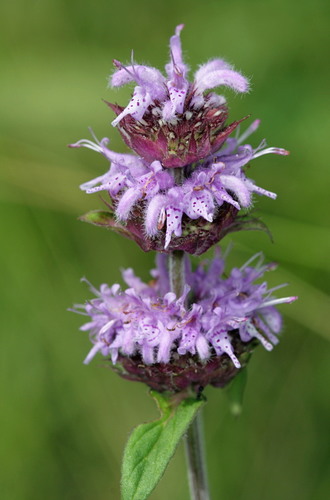
Nepeta floccosa
Benth.
Woolly catmint
iNaturalist· cc-by-nc
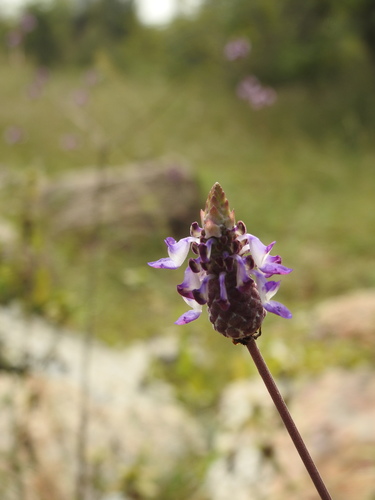
(c) Jennifer Chandler, some rights reserved (CC BY-NC), uploaded by Jennifer Chandler
iNaturalist· cc-by-nc
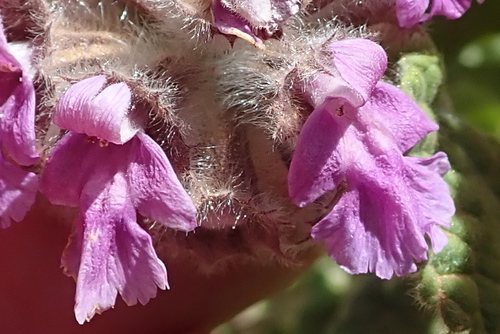
(c) Curren Frasch, some rights reserved (CC BY-NC)
iNaturalist· cc-by-nc
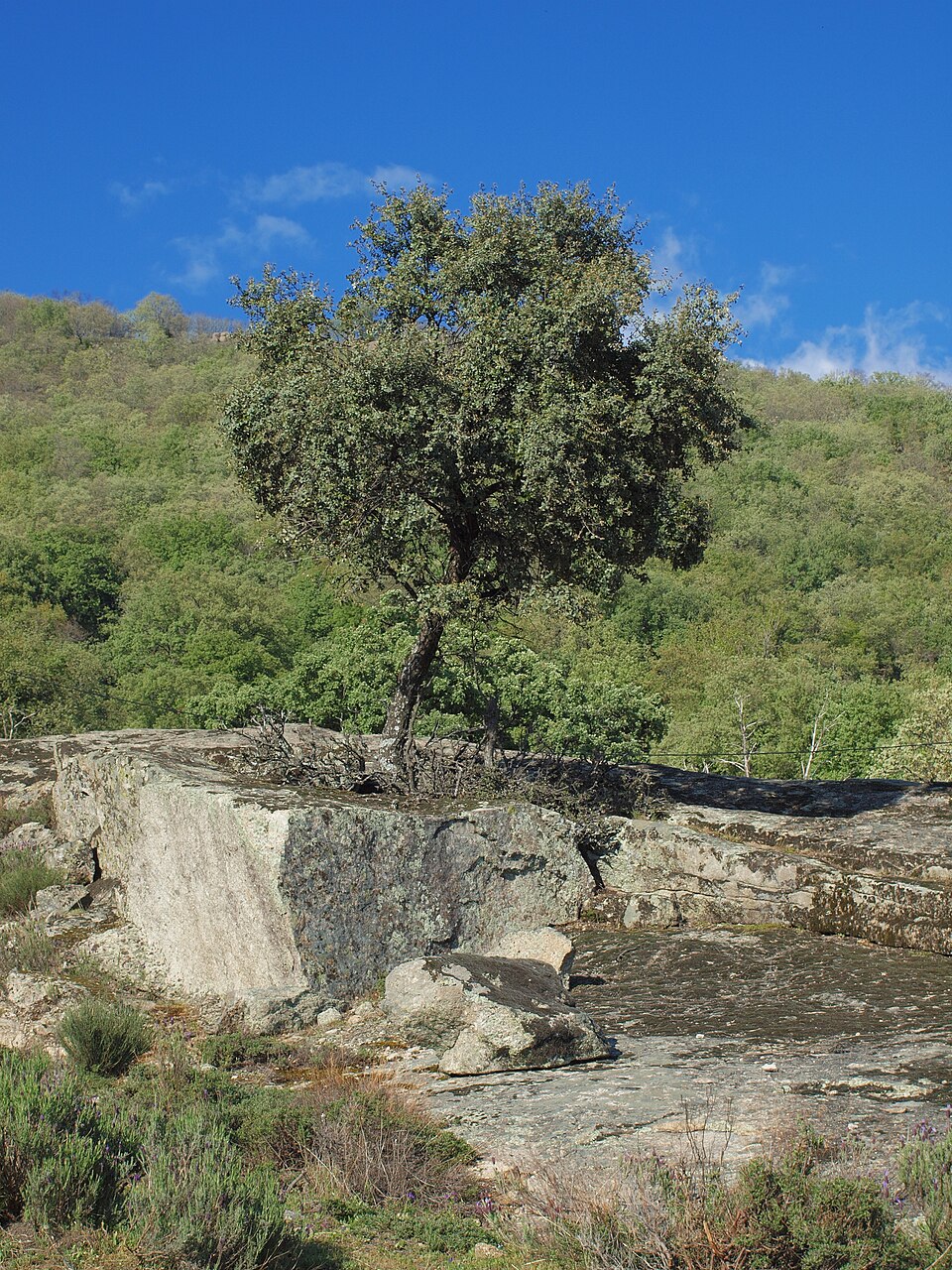
(c) Curren Frasch, some rights reserved (CC BY-NC)
Description
A herb. It forms clumps. It keeps growing from year to year. It grows 50 cm tall. The leaves are greyish and have a lemon scent. They are densely covered with white woolly hairs. The leaves are 1-5 cm long. They are rounded to heart shaped and have obscure teeth. The flowers are pink to blue. They are in dense rings. These are woolly and 2 cm across. The flowers are 8 mm long with a slender flower tube.
Edible Uses
The flowers are used as a spice. The leaves are traditionally powdered and mixed with curd, imparting a chilli-like flavor.
Traditional Uses
The leaves are powdered and used with curd. They taste like chilli.
This uses section is brief — help expand it
Distribution
It is a subtropical plant. It grows on stony slopes. It grows between 2,700-4,400 m above sea level.
Where It Grows
Asia, Central Asia, Himalayas, India, NW India, Pakistan, Tajikistan,
Production
In north India it flowers June to September.
Synonyms
Also Known As
Changmagog, Shamalolo, Shangukaram
References (1)
- Battacharyya, A., 1991, Ethnobotanical Observations in the Ladakh Region of Northern Jammu and Kashmir State, India. Economic Botany, Vol. 45, No. 3, pp. 305-308 (As Nepeta vakhanica)