Cucurbita ecuadorensis
Cutler & Whitaker
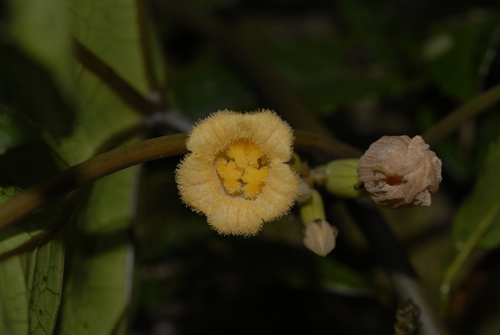
iNaturalist· cc-by-nc
(c) Reserva Biológica Cerro Seco, some rights reserved (CC BY-NC), uploaded by Reserva Biológica Cerro Seco
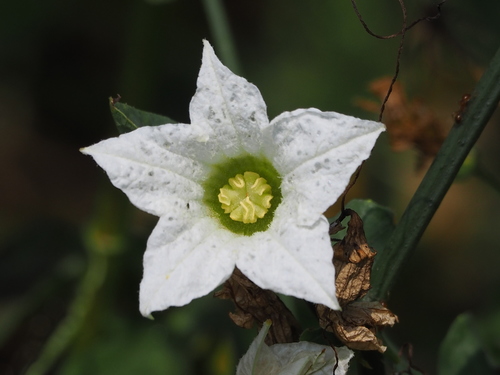
iNaturalist· cc-by-nc
(c) Reserva Biológica Cerro Seco, some rights reserved (CC BY-NC), uploaded by Reserva Biológica Cerro Seco
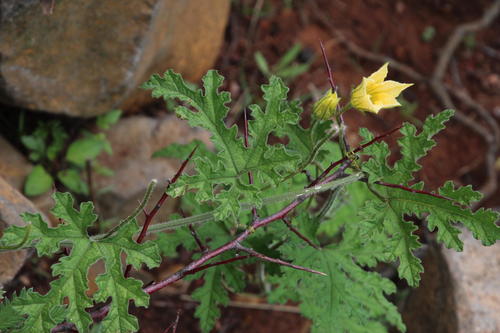
iNaturalist· cc-by-nc
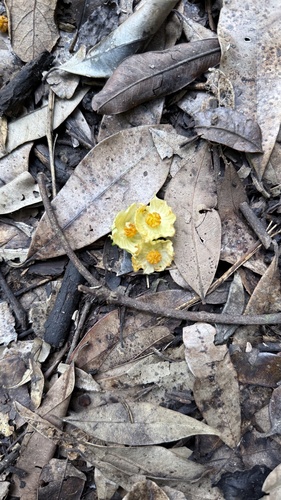
(c) Reserva Biológica Cerro Seco, some rights reserved (CC BY-NC)
Summary
Source: WikipediaCucurbita ecuadorensis is a species of squash, described in 1965 as growing wild in Ecuador. Like most wild gourds and squashes, it is a creeping vine and is often found climbing over other vegetation. It has been found only in the western provinces of Guayas and Manabí. There is evidence that it was domesticated in Ecuador around 10,000 years ago, likely for its seeds, but no direct records exist and it is no longer cultivated. It is resistant to many diseases of cultivated Cucurbita species, and has been used to breed resistance to several diseases into common squashes. For example, researchers at Cornell University used Cucurbita ecuadorensis to breed resistance to papaya ringspot virus, watermelon mosaic virus, and powdery mildew, into common Cucurbita maxima cultivars. Cucurbita ecuadorensis is listed on the IUCN Red List as vulnerable and is found protected in the Machalilla National Park.
Description
A pumpkin family vine. The fruit are round and have dark and light green patterns on the skin,
This description is brief — help expand it
Edible Uses
The seeds are eaten.
Known Hazards
This is a rare and at-risk species.
Distribution
It is a tropical plant. It grows on the Pacific coast of Ecuador. It grows between 0 and 500 m above sea level.
Where It Grows
Ecuador, South America,
Notes
It is a rare and at risk species.
References (1)
- Nee, M., 1990, The Domestication of Cucurbita (Cucurbitaceae). Economic Botany, Vol. 44, No. 3, Supplement: New Perspectives on the Origin and Evolution of New World Domesticated Plants. pp. 56-68