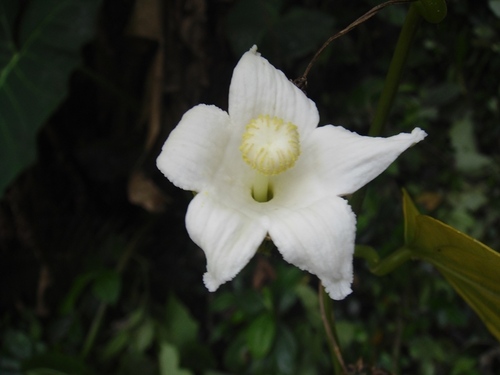
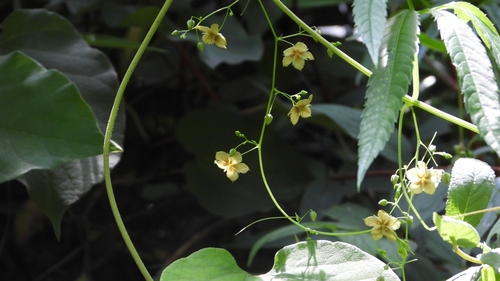
Coccinia ogadensis
Thulin
gbif· cc-by
Royal Botanic Gardens, Kew
gbif· cc-by
Royal Botanic Gardens, Kew
gbif· cc-by
Royal Botanic Gardens, Kew
Description
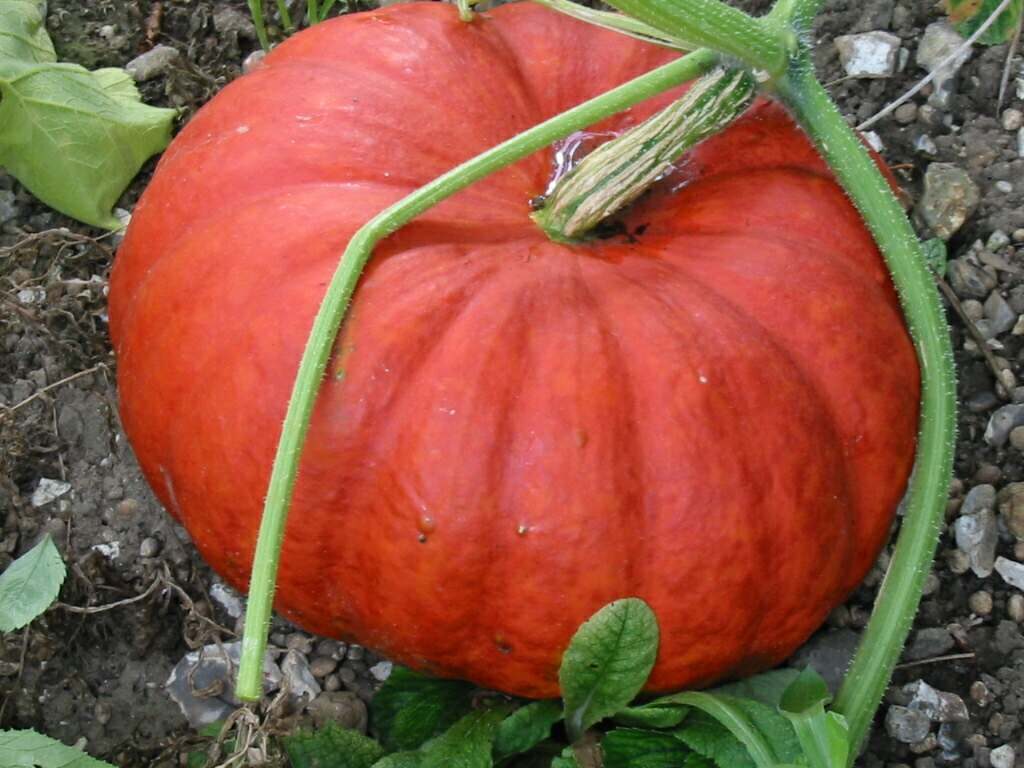
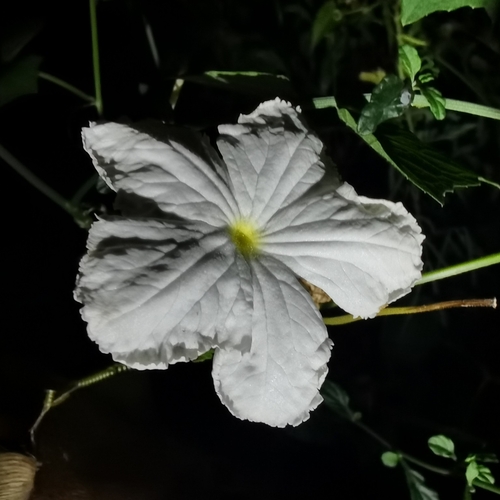
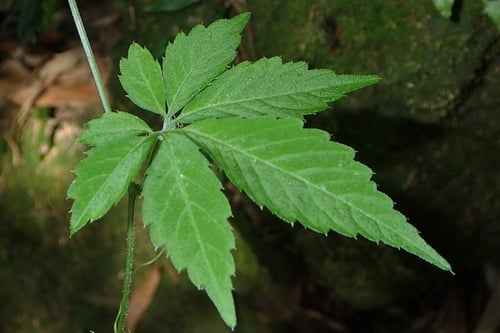
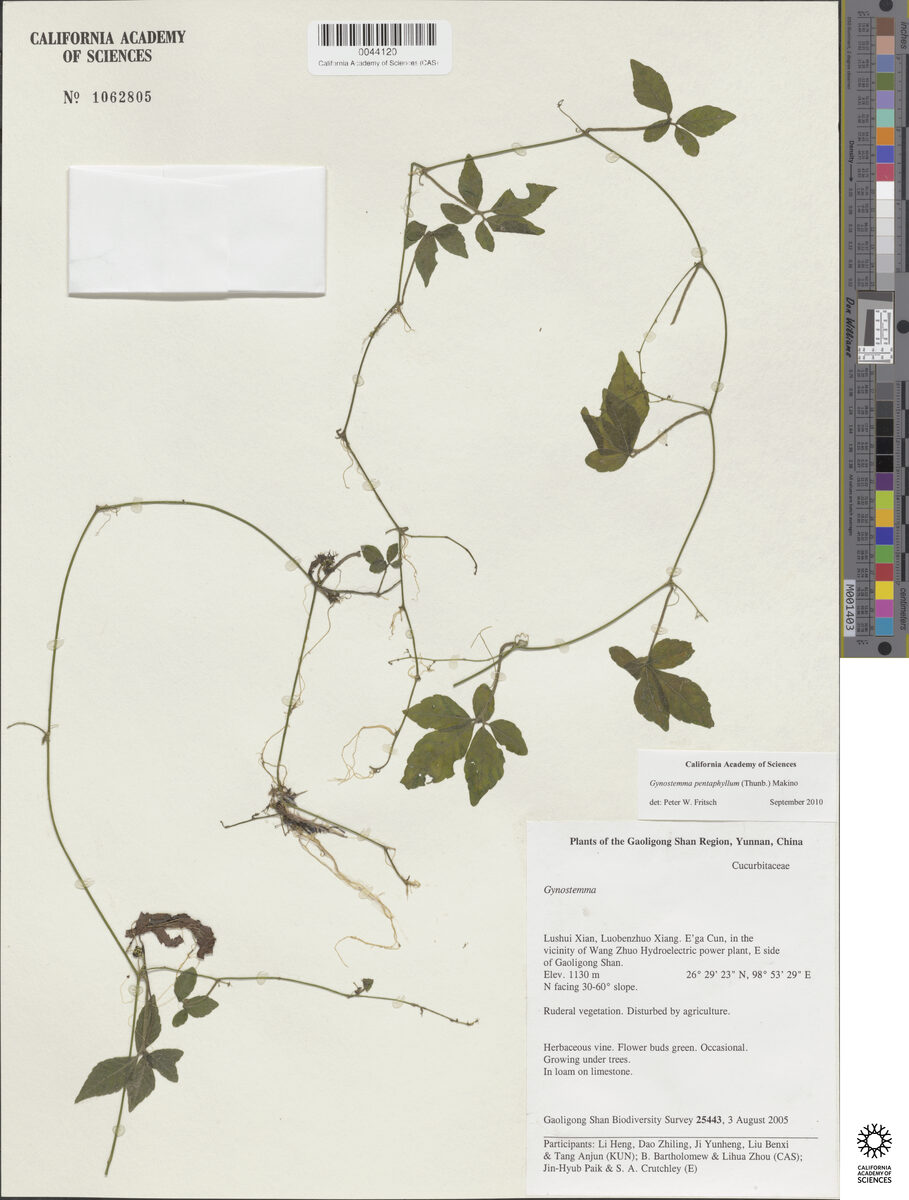
A pumpkin family herb. It is a climber with softly woody stems. These can be 2 m long. The leaves have 5 lobes. The fruit are green with white mottling. They turn red when ripe.
Edible Uses
The genus Coccinia is best known for C. grandis, commonly known as "ivy gourd". Its fruits can be eaten raw when ripe or cooked when unripe. In the latter case, it is used in curries. Young leaves and shoots are also edible. All used plants are a good source of carotenoids. The tuber of Coccinia abyssinica is cooked and a source of starch for the Oromo people in Ethiopia. Local culinary uses also exist. However, many species and also populations within species can be bitter due to cucurbitacins. Coccinia grandis is also well known in ayurvedic medicine for diabetes treatment, and modern research seems to confirm that it might be of value in that application.
Traditional Uses
The fruit are juicy and edible.
This uses section is brief — help expand it
Distribution
It is a tropical plant. In Ethiopia it has been recorded as 550 m above sea level.
Where It Grows
Africa, East Africa, Ethiopia,
Also Known As
Dudu, Ilgeel, Lehailu, Salo dudub
References (3)
- GBIF
- Holstein, N., 2015, Monograph of Coccinia (Cucurbitaceae). PhytoKeys 54: 1–166
- Thulin, M., 2009, New species of Coccinia and Momordica (Cucurbitaceae) from north-eastern tropical Africa. Kew Bulletin 64(3) 485-489