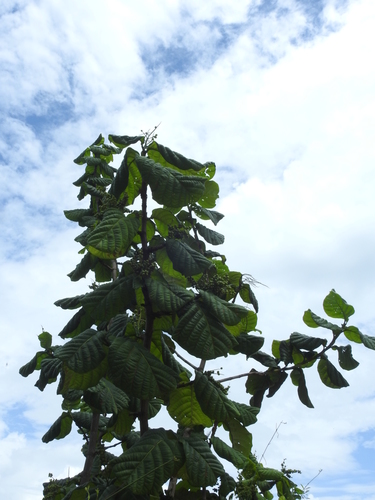
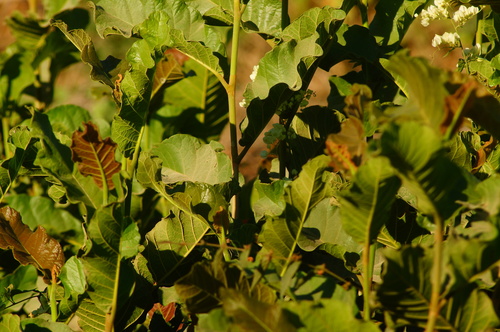
Rheum palaestinum
Feinbr.
Palistinian rhubarb
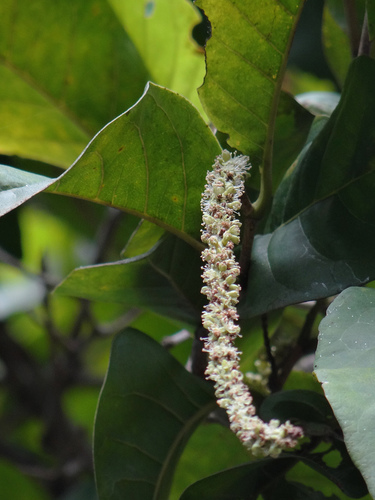
iNaturalist· cc-by
(c) Gidip, some rights reserved (CC BY)
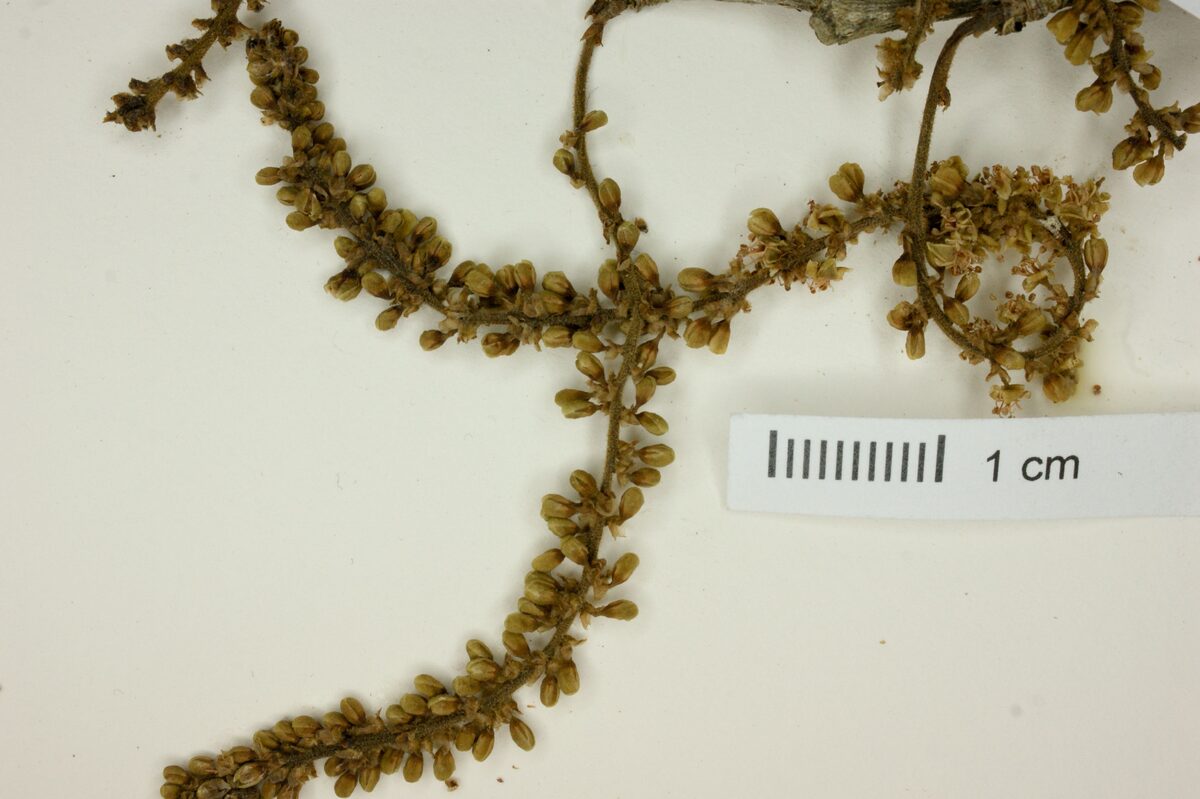
iNaturalist· cc-by-nc
(c) Eyal Korin, some rights reserved (CC BY-NC)
iNaturalist· cc-by-nc
(c) Eyal Korin, some rights reserved (CC BY-NC)
Summary
Source: WikipediaRheum palaestinum, the desert rhubarb, is a plant indigenous to Palestine, Israel and Jordan with a highly developed system for gathering rainwater.
Description
A herbaceous plant in the Polygonaceae family with edible leaf stalks and roots, native to Mediterranean climates where it grows in rough, gravelly desert soils across the Middle East including Lebanon.
Edible Uses
The leaf stalks are cooked with sugar for desserts. The roots are used as a flavoring condiment with clarified butter. Flowers are also edible.
Traditional Uses
The leaf stalks are cooked and used for desserts. They are cooked with sugar. The roots are used as a condiment with clarified butter.
This uses section is brief — help expand it
Distribution
It is a Mediterranean climate plant. In Lebanon it grows in rough gravely soils in desert areas. It can grow in arid places.
Where It Grows
Egypt - Sinai, Israel, Jordan, Lebanon, Mediterranean, Middle East,
Also Known As
Trafan, Kahmoom, Kahamun, Rabbas, Atrafan
References (4)
- Al-Qura'n, S. A., 2010, Ethnobotanical and Ecological Studies of Wild Edible Plants in Jordan. Libyan Agriculture Research Center Journal International 1(4):231-243
- Bailey, C. and Danin, A., 1981, Bedouin Plant Utilization in Sinai and the Negev. Economic Botany 35(2): 145-162
- Tukan, S. K., et al, 1998, The use of wild edible plants in the Jordanian diet. International Journal of Food Sciences and Nutrition. 49:225-235
- Wild Edible Plants in Lebanon. Promoting dietary diversity in poor communities in Lebanon. http://www.wildedibleplants.org/