Malva multiflora
(Cav.) Soldano, Banfi & Galasso
Smaller tree-mallow, Cretan hollyhock
iNaturalist· cc-by-nc
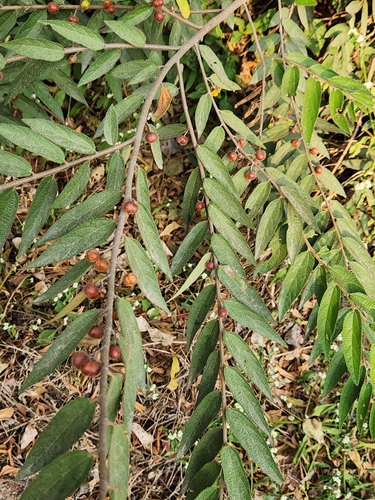
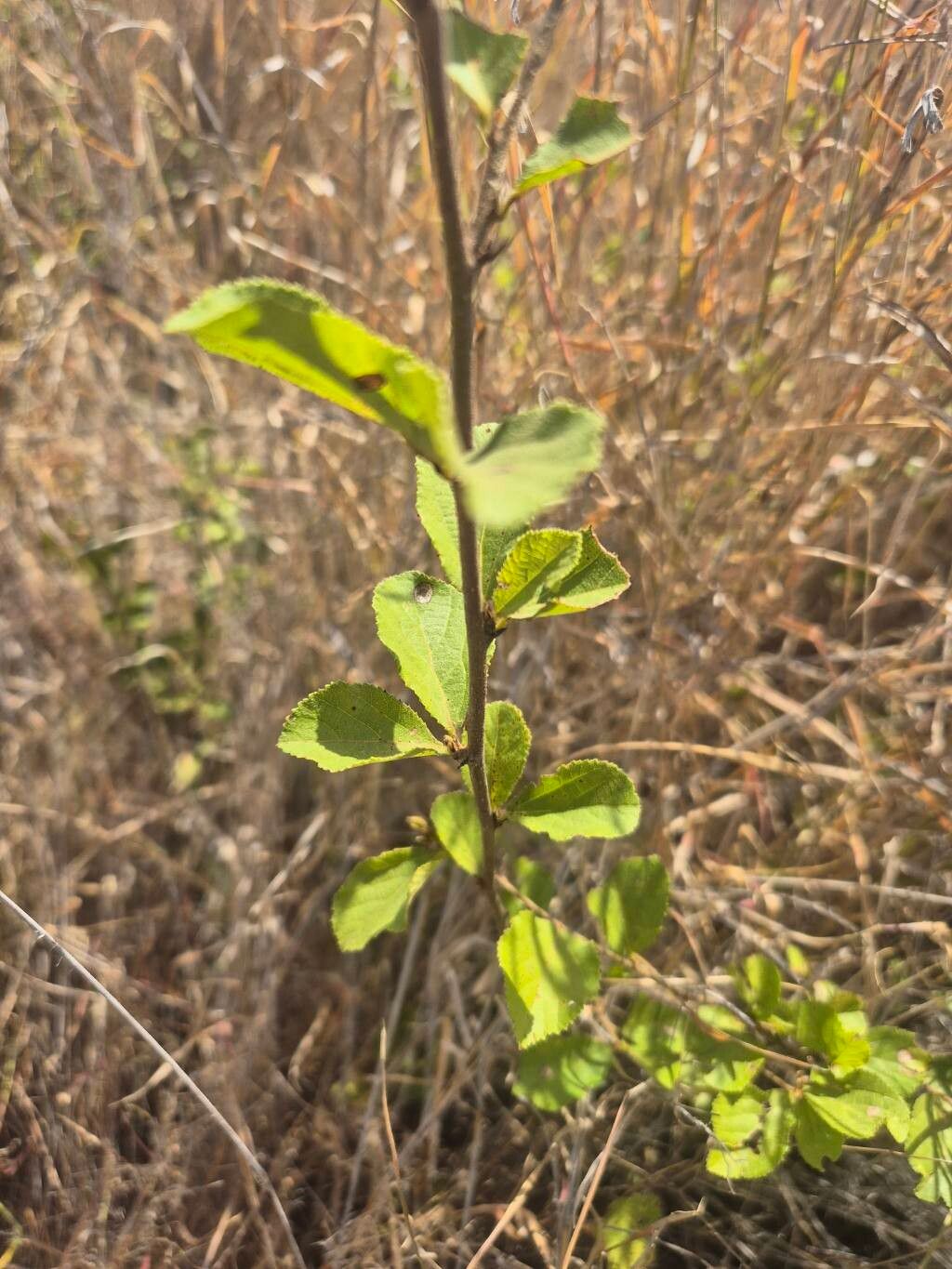
(c) Σάββας Ζαφειρίου (Savvas Zafeiriou), some rights reserved (CC BY-NC), uploaded by Σάββας Ζαφειρίου (Savvas Zafeiriou)
iNaturalist· cc-by-nc
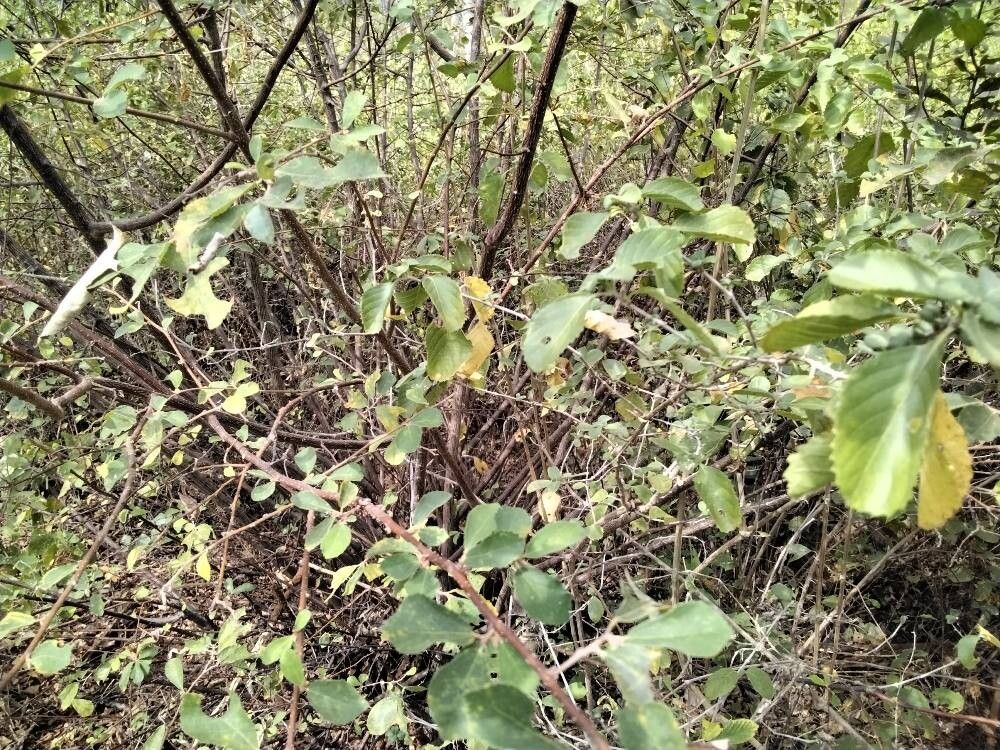
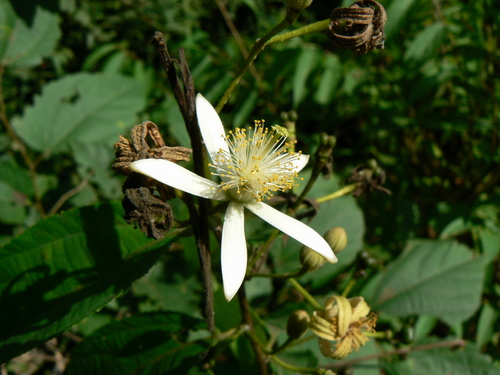
(c) Peter Zika, some rights reserved (CC BY-NC), uploaded by Peter Zika
iNaturalist· cc-by-nc
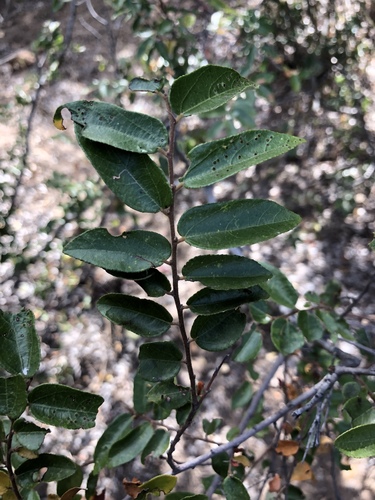
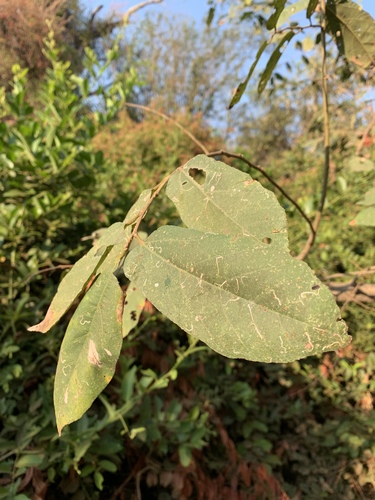
(c) jrebman, some rights reserved (CC BY-NC), uploaded by jrebman
Summary
Source: WikipediaMalva multiflora (previously known as Lavatera cretica) is a species of flowering plant in the mallow family known by the common names Cornish mallow and Cretan hollyhock. It is native to western Europe, North Africa, and the Mediterranean Basin, and it is naturalized in areas with a Mediterranean climate, such as parts of Australia, South Africa, and California. This is an annual or biennial herb growing a tough, somewhat hairy stem to a maximum height between 1 and 3 meters. The leaves are multilobed with flat or wavy edges, slightly hairy, and up to 10 centimeters long. The plant bears small pink or light purple flowers with petals just over a centimeter long. The fruit is disc-shaped with 7 to 10 segments. Leaf laminas of Malva multiflora can track solar position throughout the day and turn to face the sunrise, behavior that anticipates the future, despite lacking a central nervous system.
Description
A herb. It grows each year from seeds. The stem is tough and hairy. It grows 1-3 m tall. The leaves have several lobes and can have wavy edges. The leaves are 10 cm long. The flowers are small and pink or light purple. The fruit is disk shaped.
Edible Uses
The immature fruits are eaten raw as a snack, and the young leaves and stems are stewed.
Traditional Uses
The immature fruit are eaten raw as a snack. The young leaves and stems are stewed.
This uses section is brief — help expand it
Distribution
It is a Mediterranean climate plant.
Where It Grows
Africa, Australia, Europe, Italy, Mediterranean, Morocco, North Africa, North America, Sicily, Spain, Turkey, Türkiye, Tasmania, USA,
Synonyms
Also Known As
Bakkoula, Develik, Gomec, Khoubbiza, Marva, Tolik
References (10)
- Dogan, Y., 2012, Traditionally used wild edible greens in the Aegean Region of Turkey. Acta Societatis Botanicorum Poloniae 81(4): 329-342
- Ertug, F., 2004, Wild Edible Plants of the Bodrum Area. (Mugla, Turkey). Turk. J. Bot. 28 (2004): 161-174
- Ertug, F, Yenen Bitkiler. Resimli Türkiye Florası -I- Flora of Turkey - Ethnobotany supplement (As Malva linnaei)
- Geraci, A., et al, 2018, The wild taxa utilized as vegetables in Sicily (Italy): a traditional component of the Mediterranean diet. Journal of Ethnobiology and Ethnomedicine (2018) 14:14
- Nassif, F., & Tanji, A., 2013, Gathered food plants in Morocco: The long forgotten species in Ethnobotanical Research. Life Science Leaflets 3:17-54
Show all 10 references Hide references
- Pasta, S., et al, 2020, An Updated Checklist of the Sicilian Native Edible Plants: Preserving the Traditional Ecological Knowledge of Century-Old Agro-Pastoral Landscapes. Frontiers in Plant Science. Volume 11|Article 388
- Tanji, A and Nassif, F., 1995, Edible Weeds in Morocco. Weed Technology. Vol. 9, No. 3, pp. 617-620
- Tardio, J., et al, 2006, Ethnobotanical review of wild edible plants in Spain. Botanical J. Linnean Soc. 152, 27-71
- Tasmanian Herbarium Vascular Plants list p 37 (As Malva linnaei)
- Tbatou, M, et al, 2016, Wild Edible Plants traditionally used in the countryside of El Jadida, Coastal Area in the Center of Morocco. Life Sciences Leaflets 75:28-48