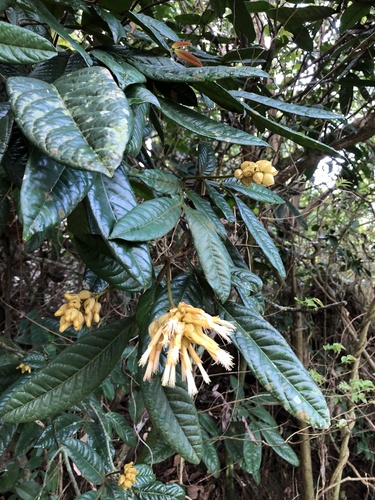
Prosopis flexuosa
DC.
Algarrobo, Algarrobo amarillo, Algarobo negro
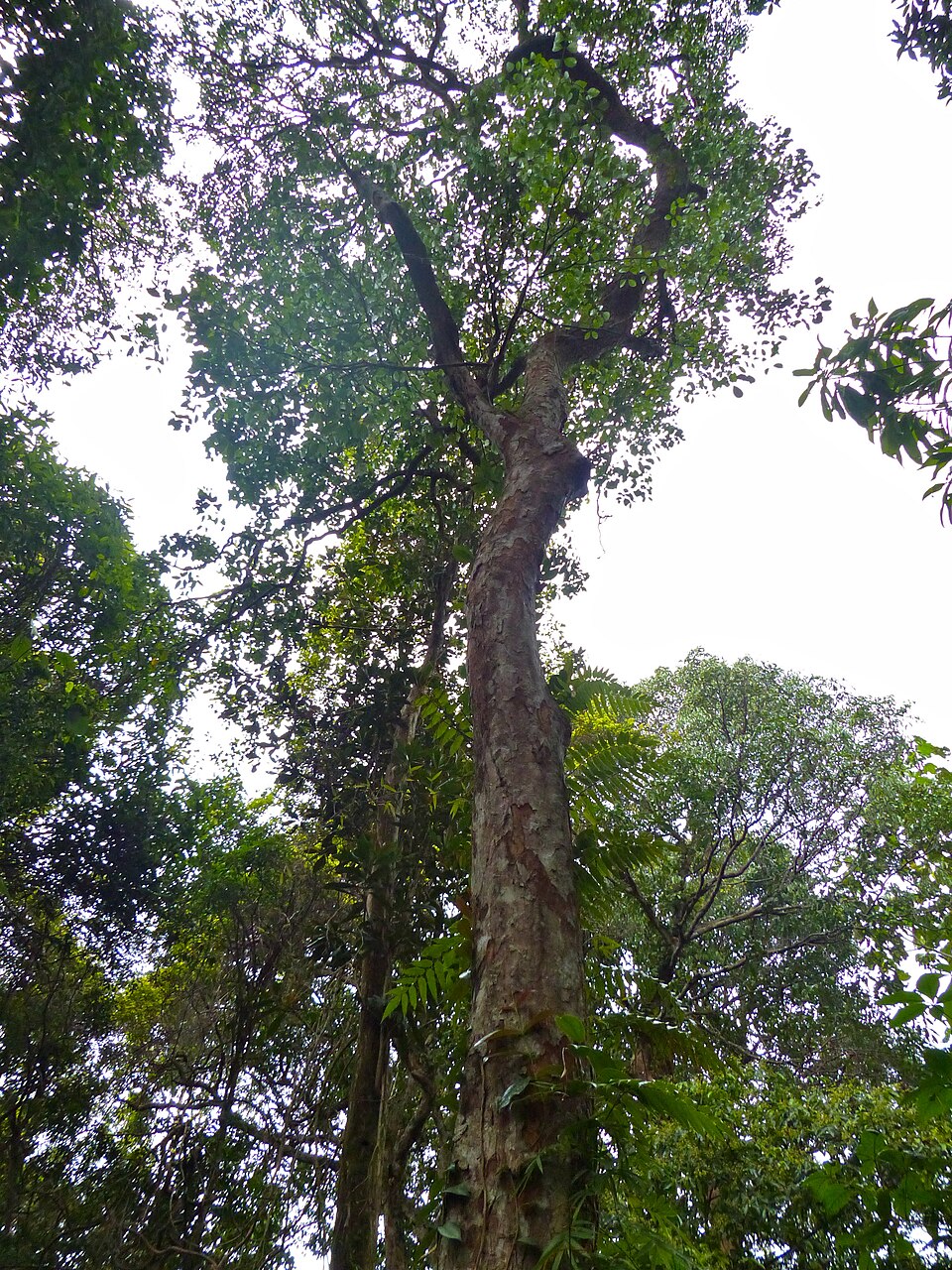
iNaturalist· cc-by-nc
(c) pedrocostabal, some rights reserved (CC BY-NC)
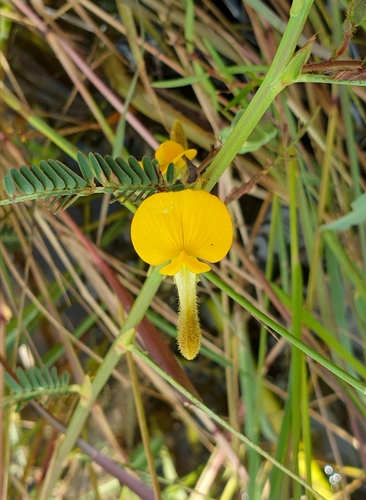
iNaturalist· cc-by-nc
(c) alfonseu, some rights reserved (CC BY-NC)
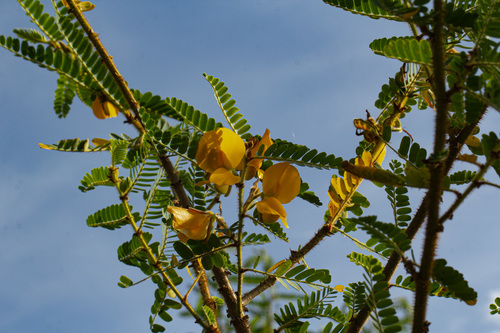
iNaturalist· cc-by-nc
(c) alfonseu, some rights reserved (CC BY-NC)
Description
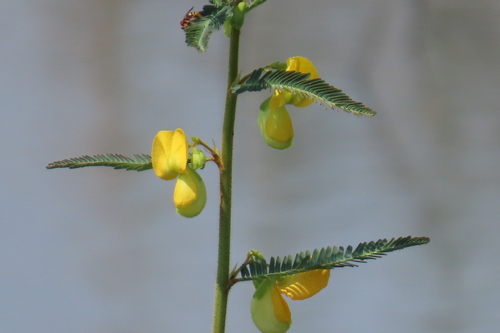
A shrub or small tree. It keeps growing from year to year. It grows 3-10 m tall. The leaves have leaflets along the stalk. The leaves are 5-13 cm long with 12-29 leaflets 4-15 mm long by 1-2 mm wide. It has spines in the axils of the leaves. The pod is 5-28 cm long by 0.7-1.2 cm wide.
Edible Uses
Fruit. The flesh inside the seedpod is sometimes scanty, but it is pulpy with a sweet flavour. The pods can be eaten boiled or dried and then ground into a powder and used in making other foods and beverages. The seedpod is 5 - 28cm long and 7 - 12mm wide. A gum extracted from the seeds can be used as a thickener in foods.
Medicinal Uses
The ground and fermented seeds are used to make an astringent and diuretic drink. An infusion of the leaves is used as an anticatarrhal and as a wash for the eyes
Distribution
It is a subtropical plant. In Argentina it grows from sea level to 2,200 m above sea level.
Where It Grows
Andes, Argentina, Bolivia, Chile, South America*,
Cultivation
Prosopis flexuosa is native from the temperate, arid and semi-arid regions of central Argentina north to moderate elevations in the tropics of southern Bolivia. It can be found in desert areas of Argentina where the mean annual rainfall is as low as 50 - 100mm and becomes less common there where rainfall exceeds 500mm. The temperature in these desert regions can rise as high as 48°c in the summer, whilst occasional falls as low as -12°c have been experienced in the winter Species in this genus generaly require a sunny position in a well-drained soil. This species has a symbiotic relationship with certain soil bacteria; these bacteria form nodules on the roots and fix atmospheric nitrogen. Some of this nitrogen is utilized by the growing plant but some can also be used by other plants growing nearby.
Propagation
Like many species within the family Fabaceae, once they have ripened and dried the seeds of this species may benefit from scarification before sowing in order to speed up and improve germination. This can usually be done by pouring a small amount of nearly boiling water on the seeds (being careful not to cook them!) and then soaking them for 12 - 24 hours in warm water. By this time they should have imbibed moisture and swollen - if they have not, then carefully make a nick in the seedcoat (being careful not to damage the embryo) and soak for a further 12 hours before sowing.
Other Uses
The bark contains tannins. Tannins from the bark can be used as a dyestuff. The wood is very durable and is locally important for providing material for a wide range of commodities. Among the desert communities it is the main timber used in the framework of houses and other constructions, it is used to make furniture, household implements, tools etc and is widely used to make posts for fencing. The wood is much used for fuel and makes an excellent charcoal. This species is a typical 'Monte' tree, of much importance in the formation of open-desert forests along temporary rivers.
Notes
Also as Mimosaceae.
Synonyms
Also Known As
Algarrobo dulce, Yoiwitru
References (7)
- ILDIS Legumes of the World http:www:ildis.org/Legume/Web
- Kermath, B. M., et al, 2014, Food Plants in the Americas: A survey of the domesticated, cultivated and wild plants used for Human food in North, Central and South America and the Caribbean. On line draft. p 703
- Leon-Lobos, P., et al, 2022, Patterns of Traditional and Modern Uses of Wild Edible Native Plants of Chile: Challenges and Future Perspectives. Plants (Basel) v 11 (6) Table S1
- Molares, S. & Ladio, A., 2012, The Usefulness of Edible and Medicinal Fabaceae in Argentine and Chilean Patagonia: Environmental Availability and Other Sources of Supply. Evidence-Based Complementary and Alternative Medicine. Volume 2012, Article ID 901918, 12 pages, Hindawi Publishing Corporation.
- Palmeiri, V. S., & Geisa, M. G., 2019, Las plantas comestibles empleadas por las comunidades comechingonas de San Marcos Sierras (Córdoba, Argentina). Primeras aproximaciones. Bol. Soc. Argent. Bot. 54: 295-309.
Show all 7 references Hide references
- Palmieri, V. S., et al, 2022, Wild edible plants of the Central Mountains in Argentina. Comparing subregions to understand the complexity of local botanical knowledge. Rodriguésia 73: e01092021. 2022
- Scarpa, G. F., 2009, Wild food plants used by the indigenous peoples of South American Gran Chaco: A general synopsis and intercultural comparison. Journal of Applied Botany and Food Quality 83:90-101