Uvaria angolensis
Welw. ex Oliv.
Boyinya
iNaturalist· cc-by-nc
(c) Carel Jongkind, some rights reserved (CC BY-NC), uploaded by Carel Jongkind
iNaturalist· cc-by-nc
(c) Carel Jongkind, some rights reserved (CC BY-NC), uploaded by Carel Jongkind
iNaturalist· cc-by-nc
(c) Carel Jongkind, some rights reserved (CC BY-NC), uploaded by Carel Jongkind
Description
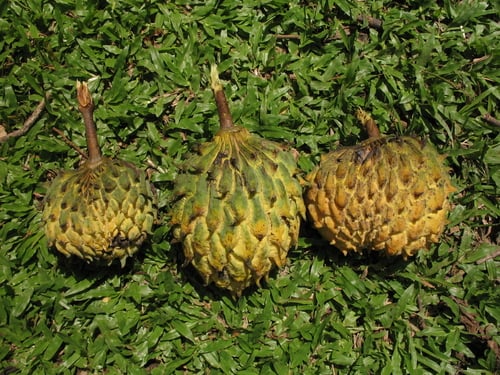
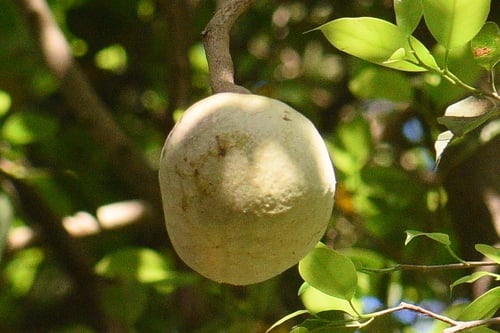
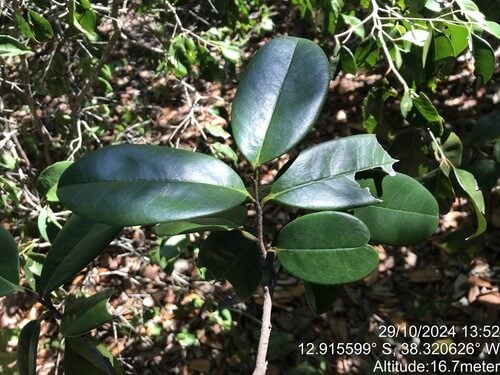
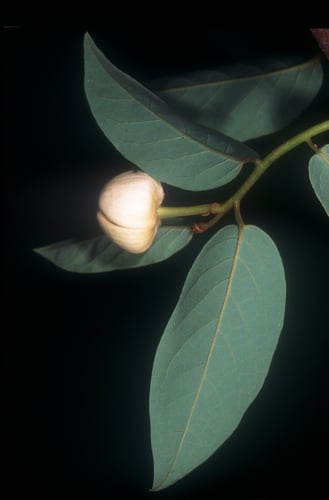
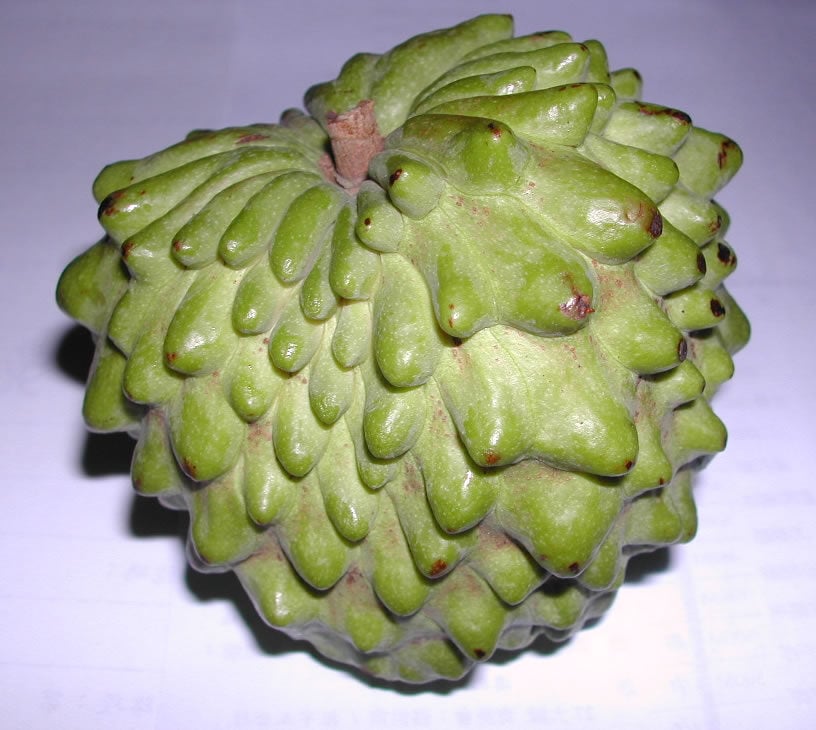
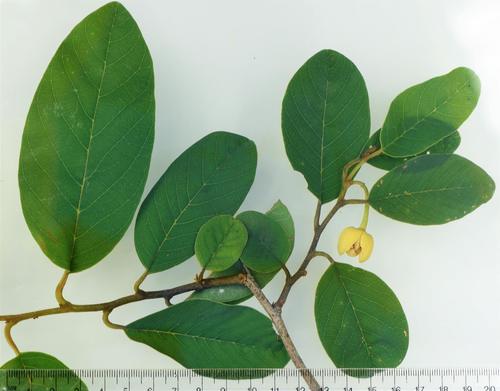
A small tree or climbing shrub. It can grow 6 m long. The bark is dark. Young branches have rusty hairs. The leaves are oblong and 4-14 cm long by 2-6 cm wide. They taper to a short tip. The flowers can occur singly or in groups of 2-3. They are yellow to orange. The fruit are yellow when ripe. The fruit are 1.2-5 cm long and 0.8-2 cm wide. The seeds are shing brown.
Edible Uses
The hard shell is removed and the inner flesh and seed kernel are eaten, particularly by children.
Traditional Uses
The hard shell is removed and the inner flesh and seed kernel are eaten.
This uses section is brief — help expand it
Distribution
It is a tropical plant. In Ethiopia it grows in the lowlands. It grows in dry forest. In Zambia it has been recorded at 1,355 m above sea level.
Where It Grows
Africa, Angola, Burundi, Cameroon, Central Africa, Congo, East Africa, Ethiopia, Tanzania, Zambia,
Cultivation
Plants can be grown from seed.
Other Information
The fruit are eaten especially by children.
Nutrition
| Part | Moisture | kJ | kcal | Protein | Vit A | Vit C | Iron | Zinc |
|---|---|---|---|---|---|---|---|---|
| Fruit | 40 | 440 | 105 | 1.3 | — | — | — | — |
| Nuts | 20 | 397 | 95 | 0.6 | — | — | 0.2 | — |
Synonyms
Also Known As
Boyinya, Mukakankuri
References (6)
- Ethiopia: Famine Food Field Guide. http://www.africa.upenn.edu/faminefood/category3.htm
- Flora Zambesiaca. http://apps.kew.org/efloras
- Fowler, D. G., 2007, Zambian Plants: Their Vernacular Names and Uses. Kew. p 8
- Lulekal, E., et al, 2011, Wild edible plants in Ethiopia: a review on their potential to combat food insecurity. Afrika Focus - Vol. 24, No 2. pp 71-121
- Malaisse, F., 1997, Se nourrir en floret claire africaine. Approche ecologique et nutritionnelle. CTA., p 69
Show all 6 references Hide references
- World Checklist of Useful Plant Species 2020. Royal Botanic Gardens, Kew