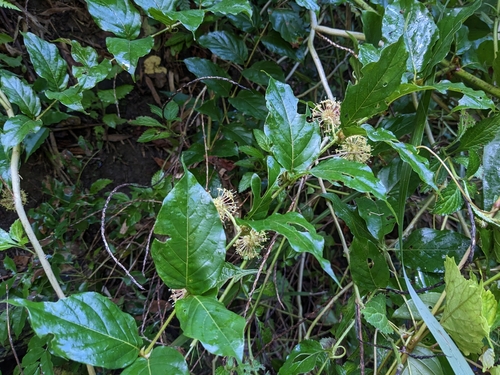
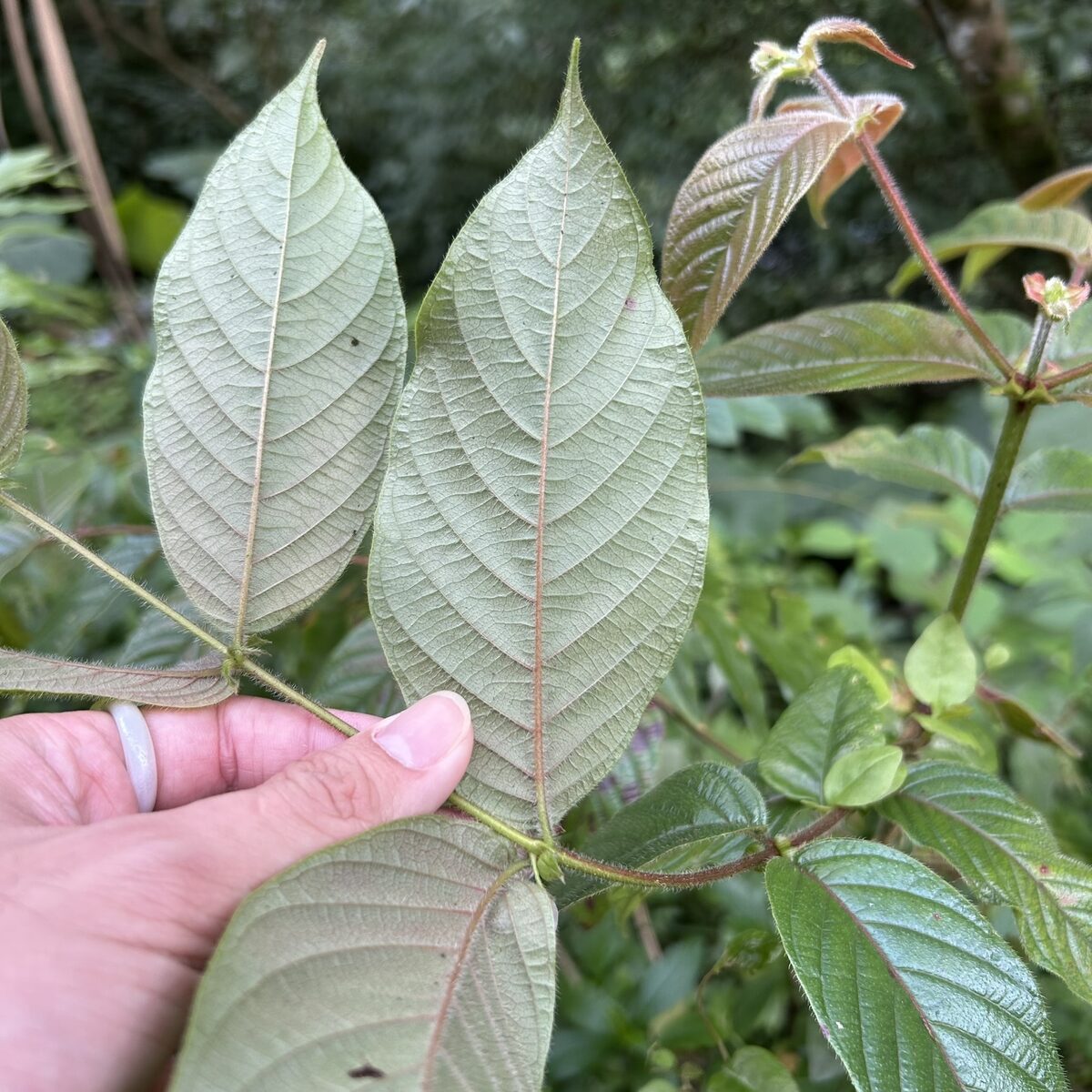
Mitchella undulata
Siebold.&Zucc.
iNaturalist· cc-by-nc
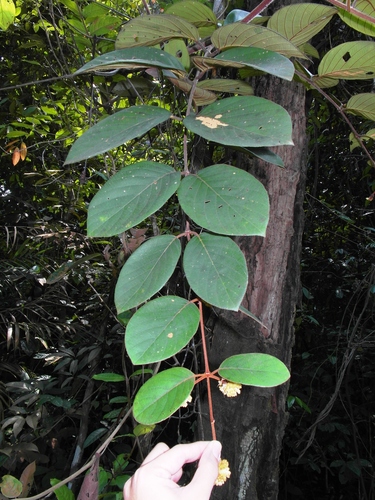
(c) 空猫 T. N, some rights reserved (CC BY-NC), uploaded by 空猫 T. N
iNaturalist· cc-by-nc
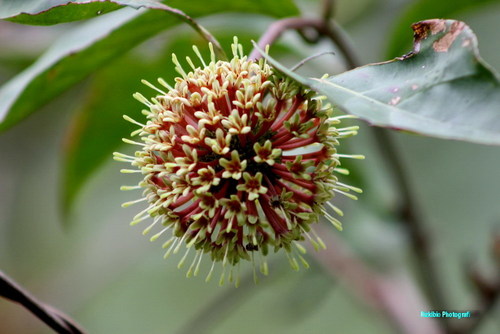
(c) esdena, some rights reserved (CC BY-NC), uploaded by esdena
iNaturalist· cc-by-sa
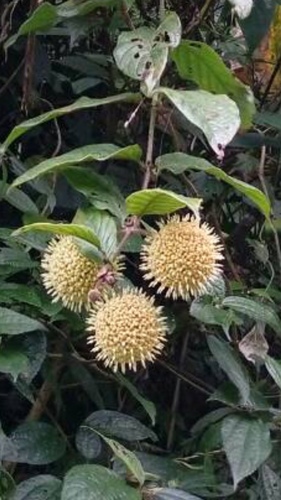
(c) Keisotyo, some rights reserved (CC BY-SA)
Description
Mitchella undulata is an evergreen Perennial growing to 0.1 m (0ft 4in) by 0.5 m (1ft 8in). See above for USDA hardiness. It is hardy to UK zone 6. It is in leaf all year, in flower from June to July. The species is hermaphrodite (has both male and female organs). Suitable for: light (sandy) and medium (loamy) soils and prefers well-drained soil. Suitable pH: mildly acid and neutral soils and can grow in very acid soils. It can grow in semi-shade (light woodland) or no shade. It prefers moist soil.
Edible Uses
Fruit. Not very well-flavoured.
Distribution
E. Asia - Japan, S. Korea.
Where It Grows
TEMPERATE ASIA: Japan
Cultivation
Requires a moist but well-drained lime-free soil and some shade. Prefers a peaty soil, succeeding in neutral to acid soils.
Propagation
Seed - it germinates better if given 3 months cold stratification and so it is best sown as soon as it is ripe in the autumn. Sow stored seed as early in the year as possible. Make sure that all the fruit pulp is removed from the seed because it contains germination inhibitors. When they are large enough to handle, prick the seedlings out into individual pots and grow them on in the greenhouse for at least their first winter. Plant them out into their permanent positions in late spring or early summer, after the last expected frosts. Division of naturally layered stems in the spring. Cuttings.
Other Uses
Can be used as a ground cover plant in a shady position. Especially good on a peat terrace or in a woodland. Plants form a spreading carpet, rooting along the stems, and are best spaced about 30cm apart each way.