Trifolium resupinatum
L.
Persian clover
iNaturalist· cc-by-nc
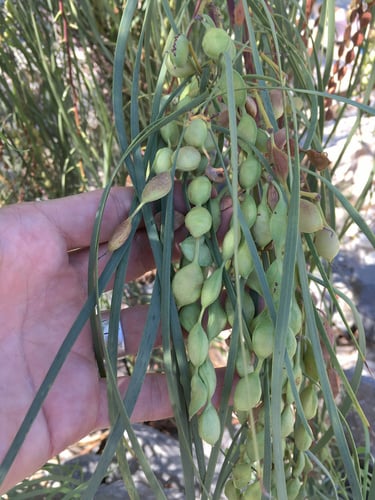
(c) Andy Newman, some rights reserved (CC BY-NC), uploaded by Andy Newman
iNaturalist· cc-by-nc
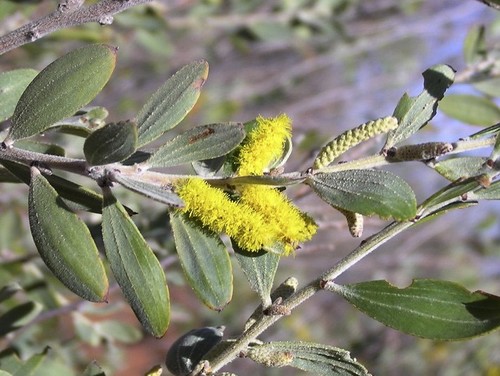
(c) Theodore, some rights reserved (CC BY-NC), uploaded by Theodore
iNaturalist· cc-by-nc
(c) Sarah Gregg, some rights reserved (CC BY-NC)
Summary
Source: WikipediaTrifolium resupinatum (reversed clover, Persian clover, shaftal, syn. T. resupinatum L. var. majus Boss., T. suaveolens Willd.) is an annual clover used as fodder and hay, which reaches 60 cm (24 in) tall when cultivated, and forms rosettes when grazed or mowed. It is native to central and southern Europe, the Mediterranean, and southwest Asia as far south as the Punjab. It is an important hay crop in cold regions of Iran, Afghanistan and other Asian areas with cold winters.
Description
An annual herb. It can lie over or be erect. The leaves have leaflets. The leaflets are 7-30 mm long. They are broadly wedge shaped. The flower are in a head on a stalk. It is pink or reddish-purple. The fruit are a short oval shape. It is inflated.
Edible Uses
The leaves are eaten in salads.
Traditional Uses
The leaves are eaten in salads.
This uses section is brief — help expand it
Distribution
It is a temperate plant. In Argentina it grows below 500 m above sea level.
Where It Grows
Afghanistan, Africa, Argentina, Asia, Australia, Balkans, Bosnia, Central Asia, East Africa, Egypt, Europe, Iran, Iraq, Macedonia, Mediterranean, Middle East, Mozambique, North Africa, North America, Pakistan, South America, Syria, Tajikistan, Tasmania, Turkey, Türkiye, Uruguay, USA,
Nutrition
| Part | Moisture | kJ | kcal | Protein | Vit A | Vit C | Iron | Zinc |
|---|---|---|---|---|---|---|---|---|
| Leaves | 80.3 | 251 | 60 | 7.2 | — | — | 6.1 | — |
Also Known As
Mirisna djetelina
References (3)
- Flora of Pakistan. www.eFloras.org
- Food Composition Tables for the Near East. http://www/fao.org/docrep No. 301
- Redzic, S. J., 2006, Wild Edible Plants and their Traditional Use in the Human Nutrition in Bosnia-Herzegovina. Ecology of Food and Nutrition, 45:189-232 (As resupinatum)