Tournefortia hirsutissima
L.
Trinidad tournefortia, Chiggery grapes
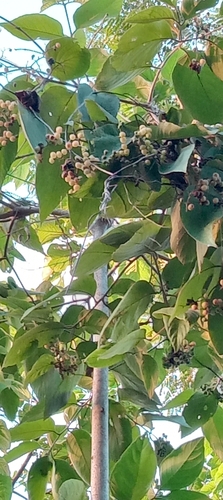
iNaturalist· cc-by-nc
(c) Jared Franklin, some rights reserved (CC BY-NC)
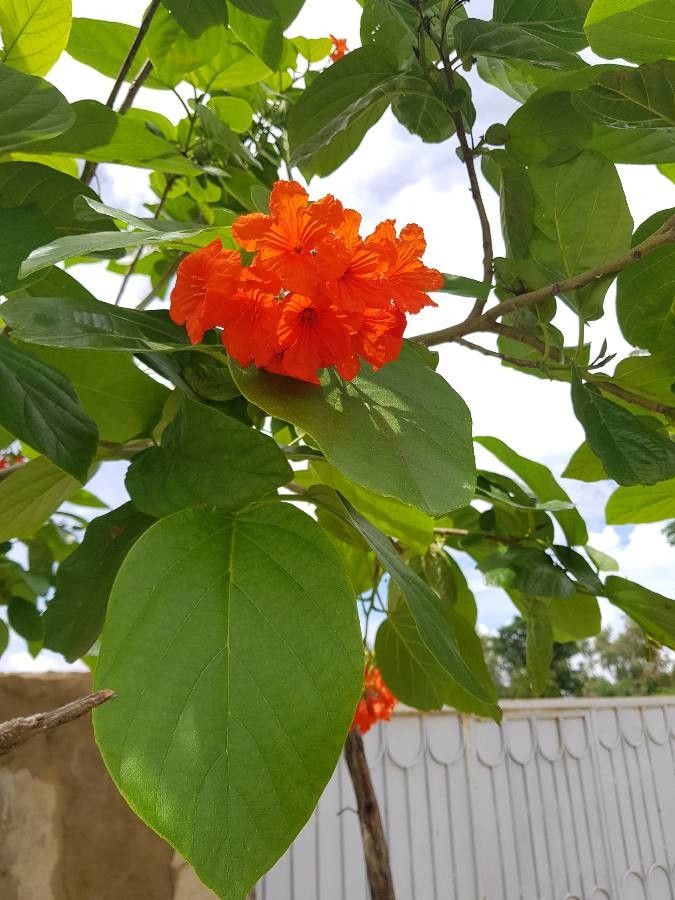
iNaturalist· cc-by
(c) Eduardo Chacón Madrigal, some rights reserved (CC BY)
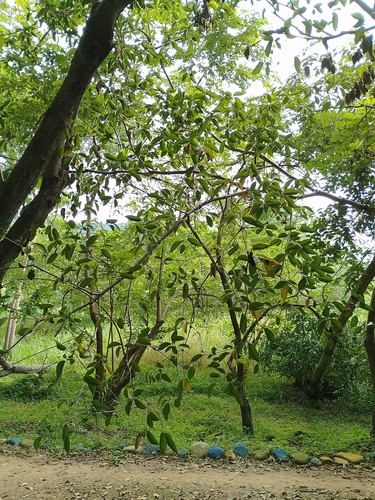
iNaturalist· cc-by
(c) Eduardo Chacón Madrigal, some rights reserved (CC BY)
Description
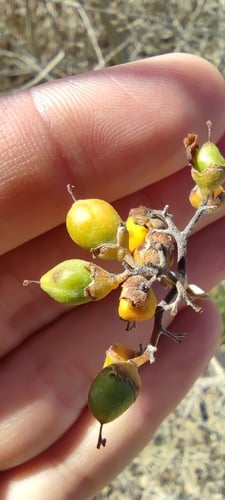
A climbing vine or shrub. It can be 6-10 m long. The stems are woody and 2 cm across. The bark is corky. The branches are fragile. The leaves are alternate and 12-22 cm long by 2-11 cm wide. They are oblong and papery. The upper surface is dark green and dull and underneath is pale. There are many flowers and they have a scent. The fruit are fleshy and white. They are 5-6 mm across.
Edible Uses
The pulp of the fruit is eaten fresh.
Traditional Uses
The pulp of the fruit is eaten.
This uses section is brief — help expand it
Distribution
It is a tropical plant.
Where It Grows
Amazon, Andes, Antilles, Belize, Bolivia, Central America, Colombia, Costa Rica, Cuba, Dominican Republic, Ecuador, El Salvador, Guatemala, Guyana, Haiti, Honduras, Mexico, Nicaragua, North America, Panama, Peru. Puerto Rico, South America, Trinidad and Tobago, USA, Venezuela, West Indies,
Synonyms
Also Known As
Chik, Ixla'hastapun skiti', Maquionso, Nigua, Nihuas, Ojo de pescado, Robo de mico, Sebito, Tlachichinole
References (8)
- Grandtner, M. M., 2008, World Dictionary of Trees. Wood and Forest Science Department. Laval University, Quebec, Qc Canada. (Internet database http://www.wdt.qc.ca)
- Grandtner, M. M. & Chevrette, J., 2013, Dictionary of Trees, Volume 2: South America: Nomenclature, Taxonomy and Ecology. Academic Press p 669
- Kermath, B. M., et al, 2014, Food Plants in the Americas: A survey of the domesticated, cultivated and wild plants used for Human food in North, Central and South America and the Caribbean. On line draft. p 871
- Lopez-Diago, D. & Garcia, N., 2021, Wild edible fruits of Colombia. Biota ColomBiana 22 (2) p 32
- Martin, F. W., et al, 1987, Perennial Edible Fruits of the Tropics. USDA Handbook 642 p 84
Show all 8 references Hide references
- Piedra-Malagón, E. M. et al, 2022, Edible native plants of the Gulf of Mexico Province. Biodiversity Data Journal 10: e80565 p 14
- Plants of Haiti Smithsonian Institute http://botany.si.edu/antilles/West Indies
- Roa, J. A. G. & Boada, D. S. G., 2018, Fundación para el Fortalecimiento de la Fruticultura y Plantas Alimenticias no Convencionales en Colombia.