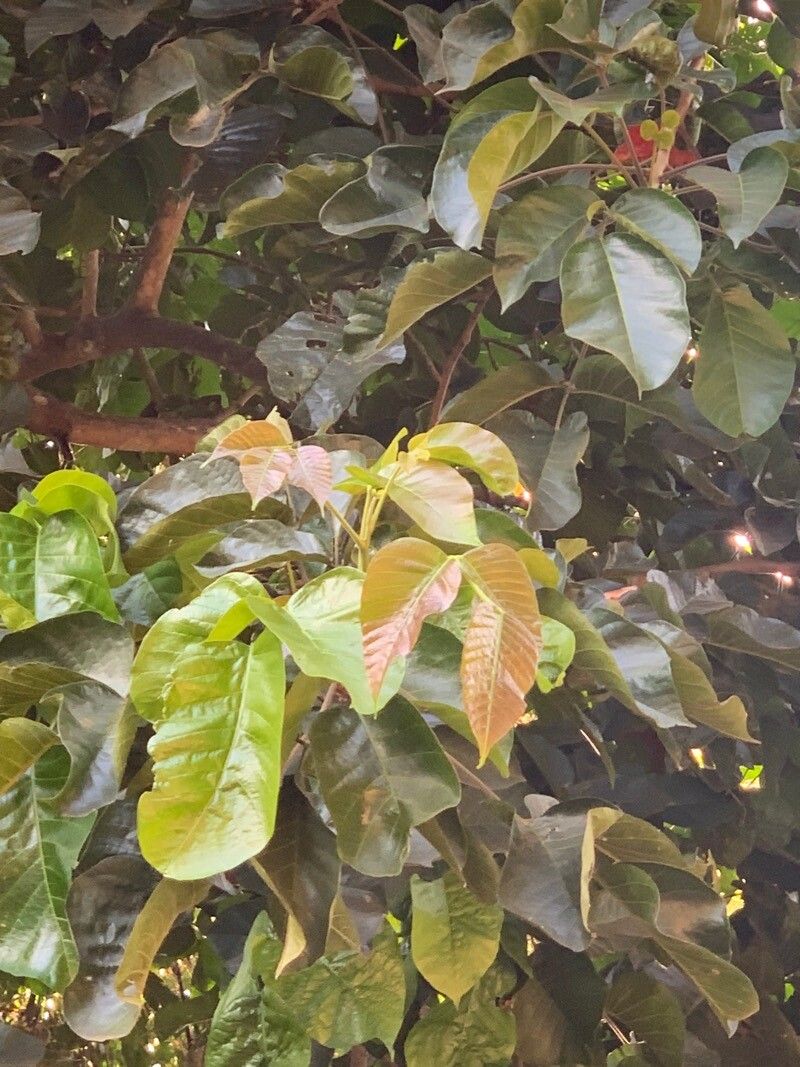
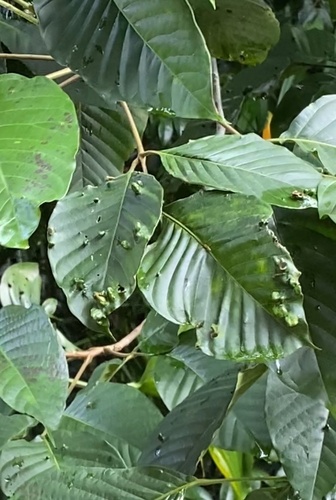
Swietenia humilis
Zucc.
Mexican mahogany
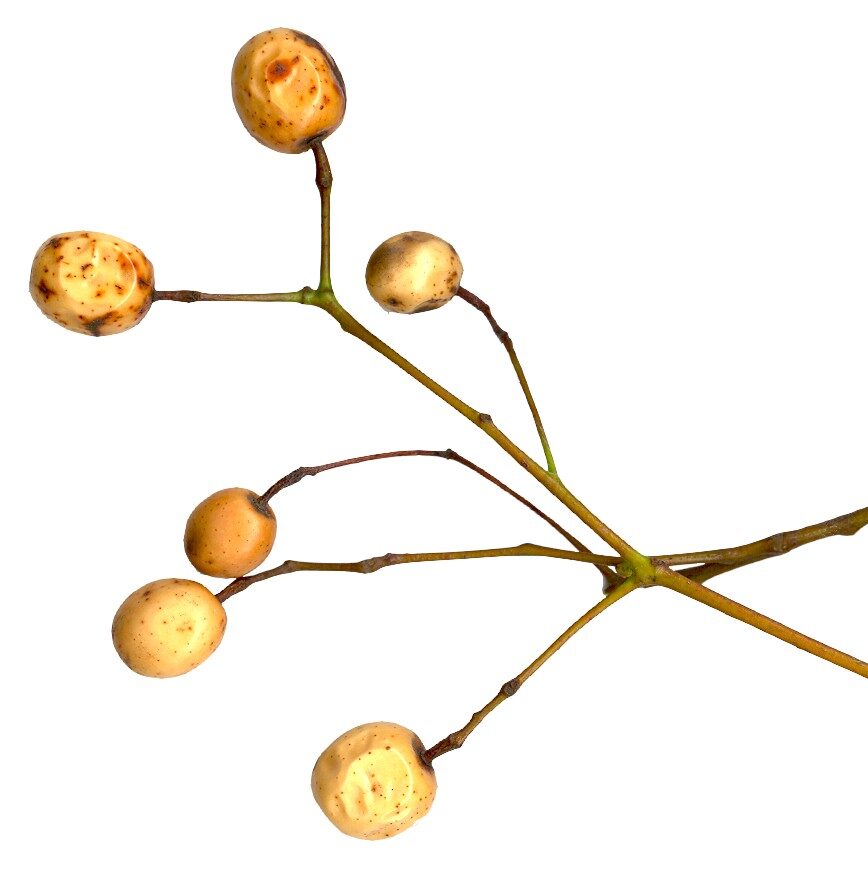
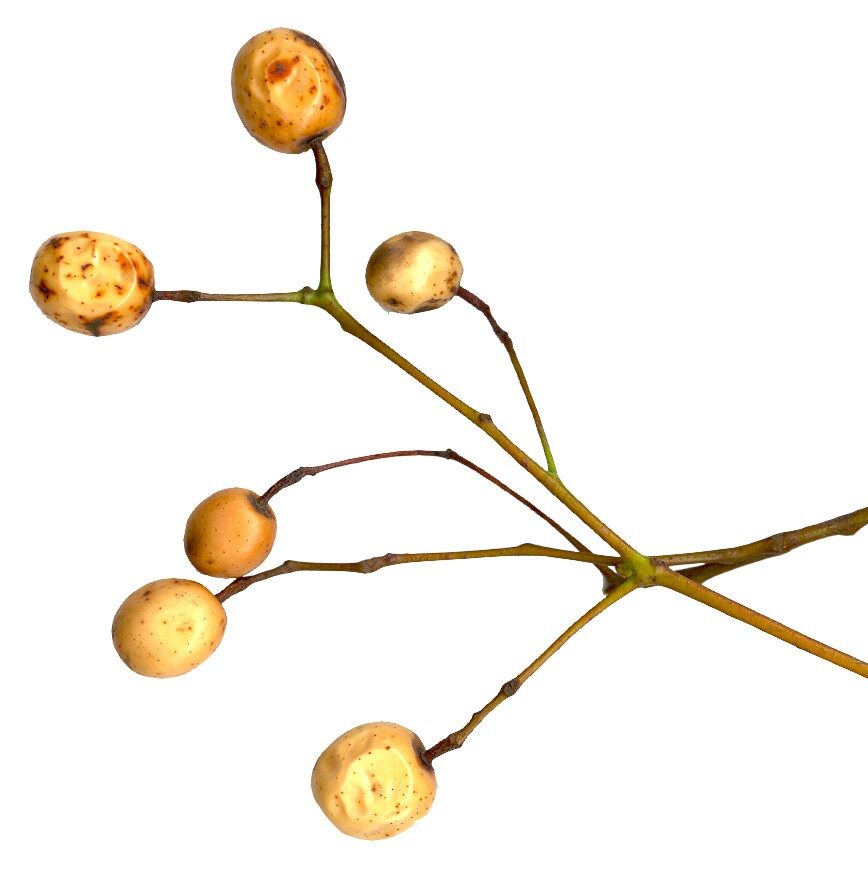
iNaturalist· cc-by-nc
(c) Sune Holt, some rights reserved (CC BY-NC), uploaded by Sune Holt
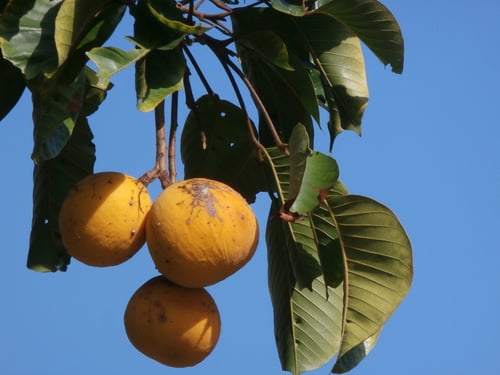
iNaturalist· cc-by-nc
(c) LauraReginaAC, some rights reserved (CC BY-NC)
Summary
Source: WikipediaSwietenia humilis is a species of tree in the family Meliaceae. It is one of three species in the genus Swietenia, all three of which are regarded as "genuine mahogany." At 6 metres (20 ft), it is one-fifth the height of S. mahagoni and one-sixth the height of S. macrophylla. Its species name, humilis, means "small" or "dwarfish". Common names include Pacific Coast mahogany, caoba del Pacifico, caoba del Honduras, caobilla, cobano, gateado, sopilocuahuilt, venadillo and zapaton. In the wood trades it is known as Honduras mahogany and Mexican mahogany The tree has been over-exploited for its wood which is valuable for making furniture. The plant also is of interest as a possibly commercial source of seed oil and pharmacologically active compounds.
Description
A tropical tree in the mahogany family (Meliaceae).
This description is brief — help expand it
Edible Uses
Oil can be extracted from the seeds.
Traditional Uses
Caution: Seeds very poisonous. An oil can be extracted from the seeds.
This uses section is brief — help expand it
Medicinal Uses
The seeds are anthelmintic. They are used in the treatment of chest pains, coughs, cancer and amoebiasis. The tetranortriterpenoids humilinolide A from the seeds have been shown to induce smooth muscle (ileal and uterine) contraction.
Known Hazards
The bark and seeds possess an alkaloid reputed to be very poisonous. Extracts significantly inhibited the growth and feeding of third instar larvae of Tenebrio molitor (mealworms). They also have shown effectiveness against larvae of Ostrinia nubilalis, the European Corn borer, and Spodoptera frugiperda, the Fall Armyworm.
Distribution
It is a tropical plant.
Where It Grows
Africa, Belize, Central America, Costa Rica, El Salvador, Guatemala, Honduras, Mexico, Nicaragua, North America,
Cultivation
A plant of moderately dry tropical area, where it is found at elevations from near sea level to 1,200 metres. It grows in areas with a distinct dry season. This species hybridizes with S. macrophylla and S. mahagoni. Hybridization has been confirmed by cytological studies.
Propagation
Seed - when dried, it can be stored at ambient temperatures for several months. Fresh seed requires no pre-treatment, but stored seed can germinate more readily if it is first soaked for 12 hours in warm water. The seed is traditionally sown in situ. Under nursery conditions, the seeds are sown in a shady position in a bed of light sand in 3 - 7cm deep furrows or holes or directly in containers. Seeds will germinate in 10 - 21 days. Shades over nursery beds are removed and the seedlings hardened before planting out. The seeds have a long storage life, probably in excess of 200 years in controlled conditions.
Other Uses
A colourless gum exudes from the branches and trunk of the tree. Oil from the seeds was used by the ancient Mexicans as a cosmetic and is said to have been employed in Mexico in soap manufacture. The bark and seeds possess a stringent alkaloid. Extracts of the plant significantly inhibited the growth and feeding of the larvae of Tenebrio molitor. The heavy timber is used in local carpentry. The tree can be planted along valleys to prevent soil erosion and is a suitable candidate for dryland forestation programmes. The tree is a good shade provider. Leaf litter from the tree enhances soil fertility. The tree can be planted in farm systems or plantations as an agroforestry tree. Allelopathic effects are noted for the compounds humilinolide A and C (found in the seeds). They have been shown to significantly inhibit radicle elongation in Amaranthus hypochondriacus and Echinochloa crus-galli.
Synonyms
References (1)
- Grandtner, M. M., 2008, World Dictionary of Trees. Wood and Forest Science Department. Laval University, Quebec, Qc Canada. (Internet database http://www.wdt.qc.ca)