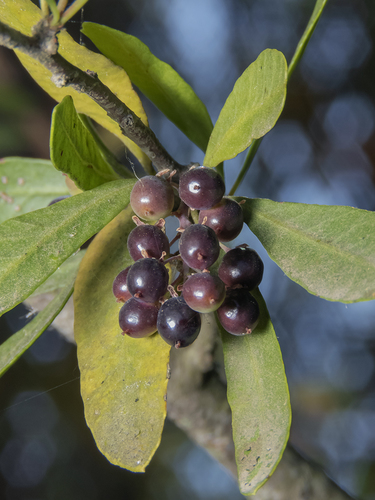
Rhus lanceolata
(A. Gray) Britton
Prairie sumac
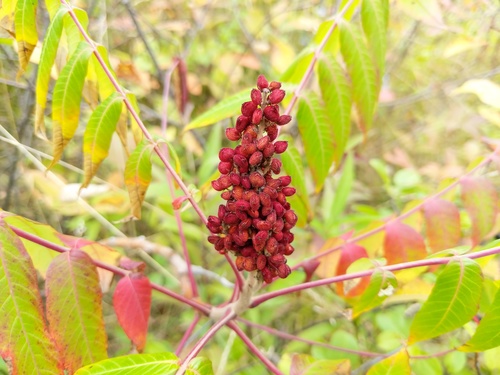
iNaturalist· cc-by-nc
(c) Kenneth Bader, some rights reserved (CC BY-NC), uploaded by Kenneth Bader
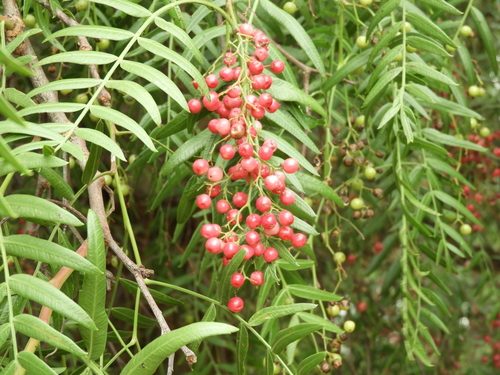
iNaturalist· cc-by-nc
(c) plectrudis, some rights reserved (CC BY-NC), uploaded by plectrudis
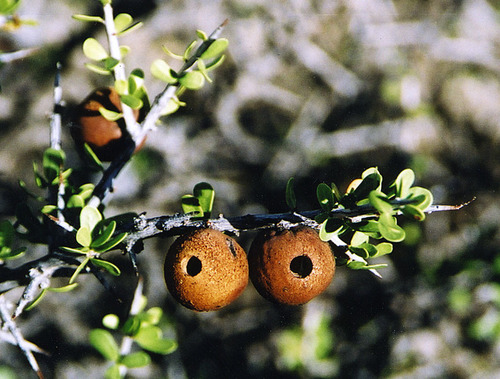
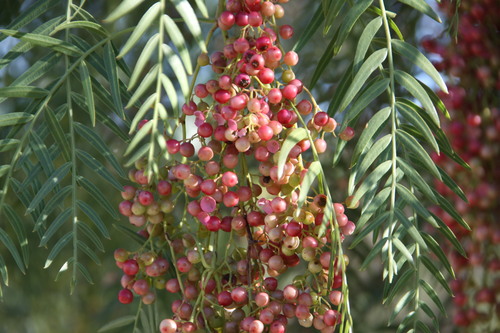
iNaturalist· cc-by-nc
(c) plectrudis, some rights reserved (CC BY-NC), uploaded by plectrudis
Summary
Source: WikipediaRhus lanceolata, the prairie sumac, is a species of plant native to the south-western United States (Texas, Oklahoma, Arizona, New Mexico), and northern Mexico (Coahuila, Nuevo León and Tamaulipas). Rhus lanceolata is a shrub or small tree up to 9 m (30 feet) tall, reproducing by means of underground rhizomes. Leaves are pinnately compound with 13-17 lanceolate leaflets and a winged rachis. Leaflets are entire (untoothed) or with small teeth, green and shiny above but whitish and pubescent below. Flowers are born in a panicle up to 14 cm (5.6 inches) tall. Flowers are white to greenish. Fruits are lens-shaped, about 6 mm (0.25 inches) across, dark red and hairy.
Description
A tree.
This description is brief — help expand it
Edible Uses
Birds eat the fruit during the winter, and deer forage the foliage. The tannin-containing leaves have been used to tan leather.
Distribution
It is a temperate plant.
Where It Grows
Mexico, North America, USA,
Synonyms
References (1)
- Grandtner, M. M., 2008, World Dictionary of Trees. Wood and Forest Science Department. Laval University, Quebec, Qc Canada. (Internet database http://www.wdt.qc.ca)