Perebea xanthochyma
H. Karst.
Yellow perebea
iNaturalist· cc-by-nc
(c) Leonardo Álvarez-Alcázar, some rights reserved (CC BY-NC), uploaded by Leonardo Álvarez-Alcázar
iNaturalist· cc0
no rights reserved
Description
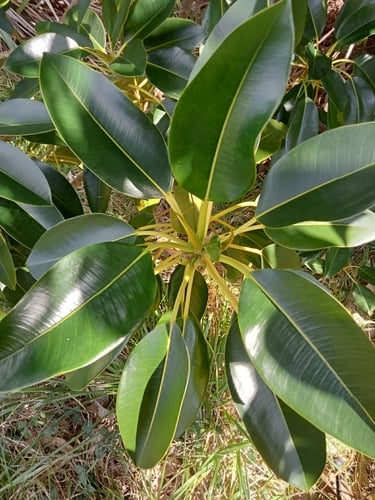
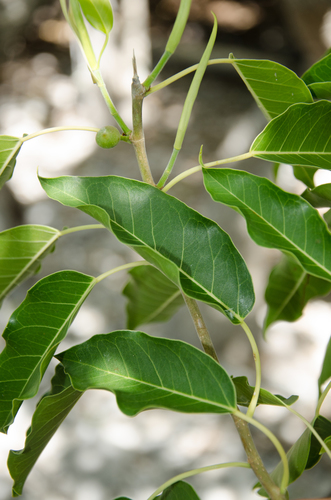
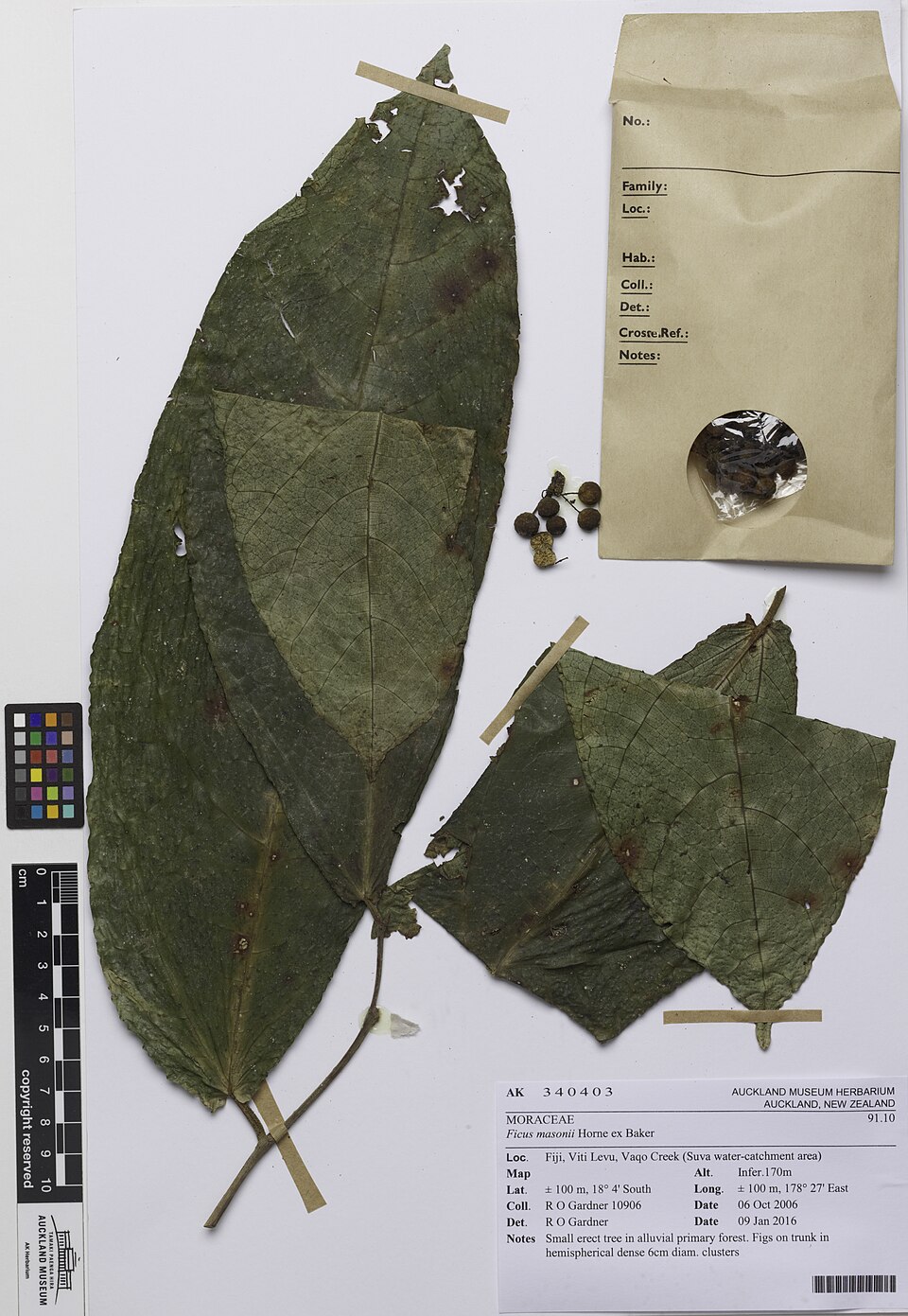
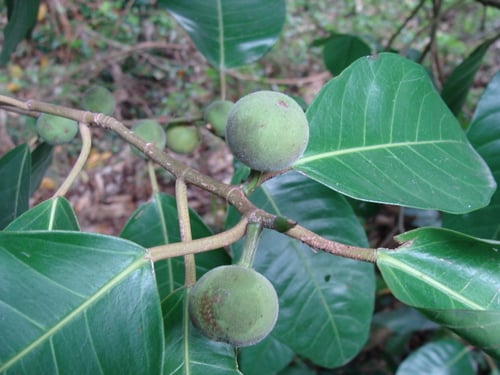
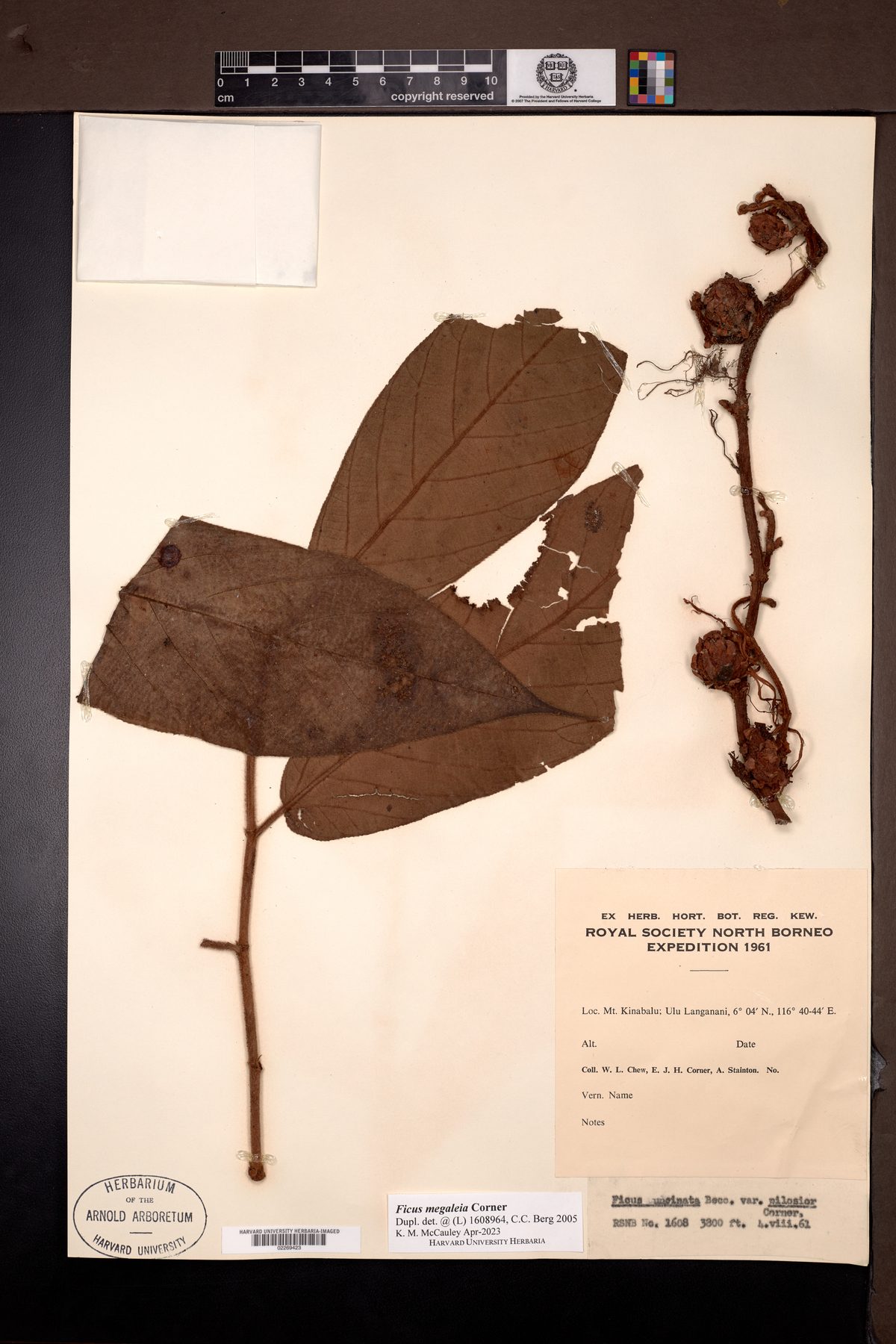
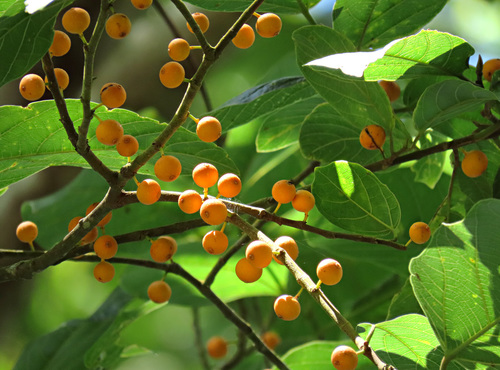
A medium sized tree. The trunk is irregular. The branches are long and hanging. The leaves are large and simple. They are alternate and have teeth. They have soft hairs. Broken parts yield milky sap. The flowers are small and white. They are in single little balls at the base of each leaf. The fruit become red.
Edible Uses
The red fruits are eaten.
Distribution
It is a tropical plant. It grows in the understorey of the forest. It grows in wetter areas.
Where It Grows
Amazon, Bolivia, Brazil, Central America, Colombia, Costa Rica, Ecuador, Nicaragua, Panama, Peru, South America*, Venezuela,
Synonyms
Also Known As
Ardillacaspi, Batakamo, Cabecita, Chimi, Chimicua, Chimiqua, Chinicoa, Chini kuru, Egamoka, Engomebo, Enamoncamo, Ennhoemo, Gomeitahue-nopehue, Guambula, Kurunu, Obogamuhue, Oquendo, Palo de ardilla, Palo veneno, Pama-caucho, Pamoa, Pararahuo, Pata de michi, Pihpininu, Pininu ainki, Pitiu, Pohgohnde, Sacha huallis, Shanco ne'mba, Tia-mu-ki-che, Siparuna, Valus negro, Vennenillo, Wakcha wallis, Wallis kaspi, Wallis muyu, Yaanbu chi
References (9)
- Condit, R., et al, 2011, Trees of Panama and Costa Rica. Princeton Field Guides. p 322
- Daly, D. C., An Index of Common Names of Plants in Acre, Brazil. New York Botanical Garden Universidade Federal do Acre.
- Grandtner, M. M., 2008, World Dictionary of Trees. Wood and Forest Science Department. Laval University, Quebec, Qc Canada. (Internet database http://www.wdt.qc.ca)
- Grandtner, M. M. & Chevrette, J., 2013, Dictionary of Trees, Volume 2: South America: Nomenclature, Taxonomy and Ecology. Academic Press p 489
- Lopez-Diago, D. & Garcia, N., 2021, Wild edible fruits of Colombia. Biota ColomBiana 22 (2) p 43
Show all 9 references Hide references
- Philips, O., 1992, The potential for harvesting fruits in tropical rainforests: new data from Amazonian Peru. Biodiversity and Conservation 2, 18-38
- Reis, S. V. and Lipp, F. L., 1982, New Plant Sources for Drugs and Foods from the New York Botanical Garden herbarium. Harvard. p 45
- Roa, J. A. G. & Boada, D. S. G., 2018, Fundación para el Fortalecimiento de la Fruticultura y Plantas Alimenticias no Convencionales en Colombia.
- Torre, de la, L., et al, 2008, Enciclopedia de las Plantas Útiles del Ecuador. Herbario QCA. Pontificia Universidad Católica del Ecuador. p 454