Ficus populifolia
Vahl.
iNaturalist· cc-by-nc
(c) JP, some rights reserved (CC BY-NC), uploaded by JP
iNaturalist· cc-by-nc
(c) JP, some rights reserved (CC BY-NC)
Description
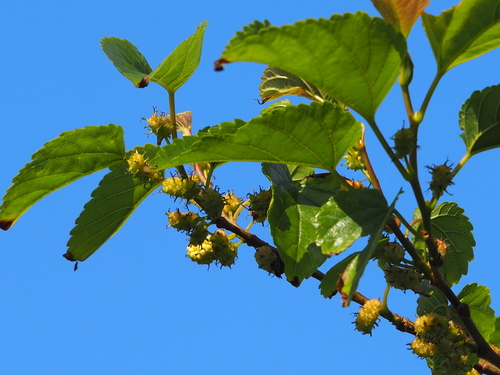
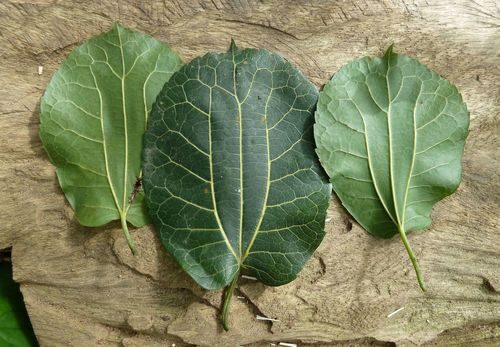
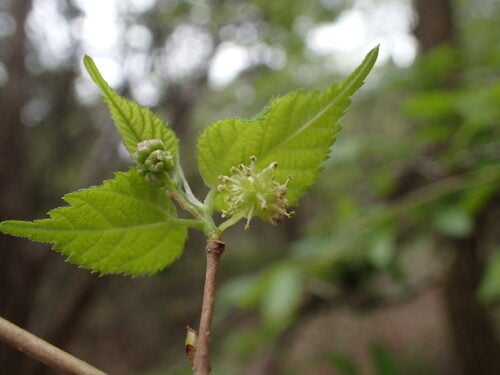
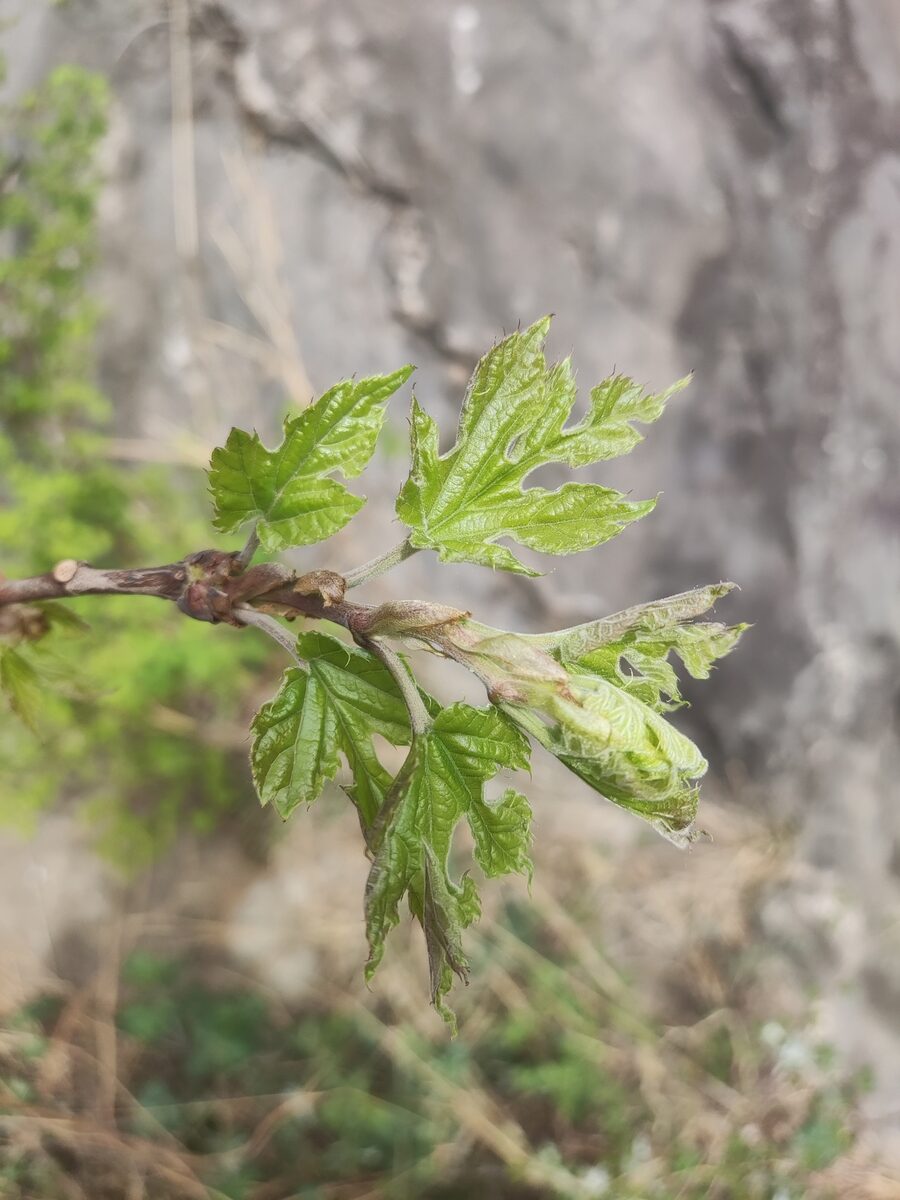
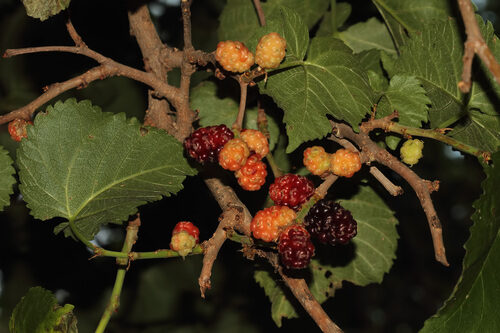
A fig. It is a bush or tree. It can be 20 m tall. It can at first grow attached to other plants. The crown has drooping branches.
This description is brief — help expand it
Edible Uses
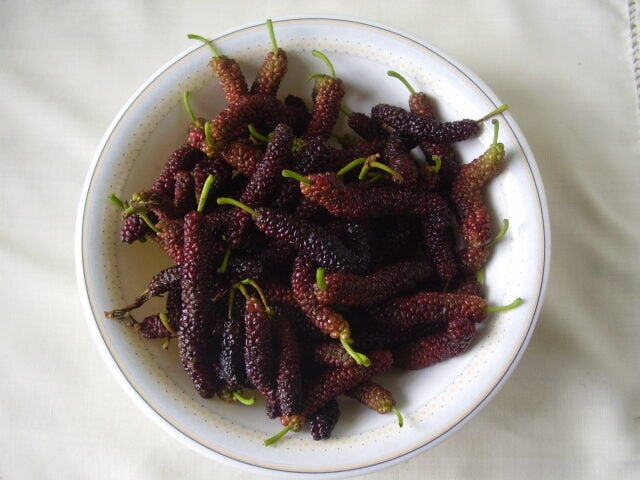
Ripe fruit are eaten, and the gum is chewed.
Traditional Uses
The gum is chewed. The ripe fruit are eaten.
This uses section is brief — help expand it
Distribution
A tropical plant. It grows in rock terrain in West Africa,
Where It Grows
Africa, Arabia, Benin, Burkina Faso, Cameroon, Central Africa, Central African Republic, CAR, Congo, East Africa, Ethiopia, Ghana, Kenya, Mali, Middle East, Niger, Nigeria, Sahel, Saudi Arabia, Somalia, Sudan, Tanzania, Togo, West Africa, Yemen,
Cultivation
The pollinator wasp is Nigeriella scindura van Noort.
Other Information
The figs are not commonly used.
Notes
There are about 800-1000 Ficus species. They are mostly in the tropics. There are 120 Ficus species in tropical America.
Synonyms
Also Known As
Bijahi, Garmeisa, Mgagatya, Xamash
References (12)
- Burkill, H. M., 1985, The useful plants of west tropical Africa, Vol. 4. Kew.
- Dalziel, 1937,
- East African Herbarium records, 1981,
- Gallagher, D. E., 2010, Farming beyond the escarpment: Society, Environment, and Mobility in Precolonial Southeastern Burkina Faso. PhD University of Michigan.
- Jardin, C., 1970, List of Foods Used In Africa, FAO Nutrition Information Document Series No 2.p 137
Show all 12 references Hide references
- Johns, T., Mhoro, E. B. and Sanaya, P., 1996, Food Plants and Masticants of the Batemi of Ngorongoro District, Tanzania. Economic Botany, Vol. 50, No. 1, pp. 115-121
- Mutie, F. G., 2020, Conservation of Wild Food Plants and Their Potential for Combatting Food Insecurity in Kenya as Exemplified by the Drylands of Kitui County. Plants 2020, 9, 1017
- Mutie, F. M., et al, 2023, Important Medicinal and Food Taxa (Orders and Families) in Kenya, Based on Three Quantitative Approaches. Plants 2023, 12, 1145
- Peters, C. R., O'Brien, E. M., and Drummond, R.B., 1992, Edible Wild plants of Sub-saharan Africa. Kew. p 150
- Vivien, J., & Faure, J.J., 1996, Fruitiers Sauvages d'Afrique. Especes du Cameroun. CTA p 217
- World Checklist of Useful Plant Species 2020. Royal Botanic Gardens, Kew
- www.figweb.org