Laetia procera
(Poepp. & Endl.) Eichler
Very tall laetia
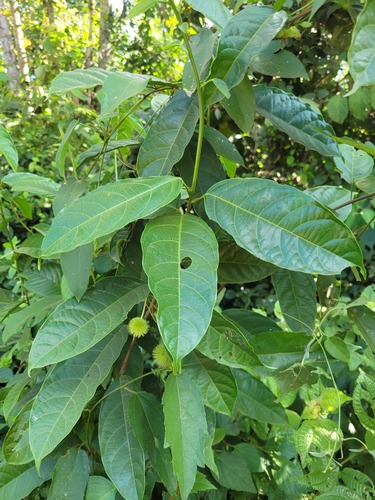
iNaturalist· cc-by-nc-sa
(c) Mateo Hernandez Schmidt, some rights reserved (CC BY-NC-SA)
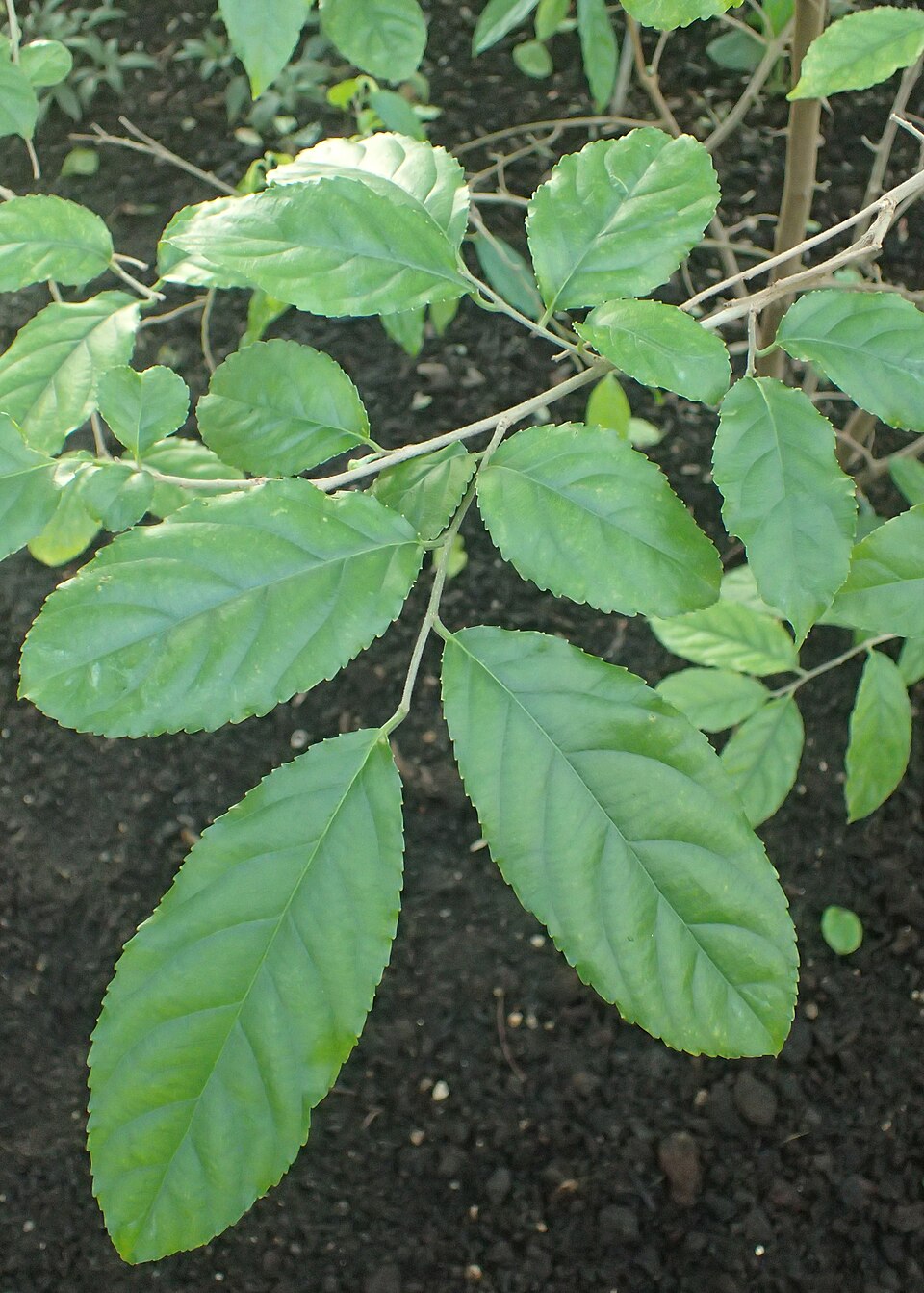
iNaturalist· cc-by-nc
(c) Nils Servientis - Bivouac Naturaliste, some rights reserved (CC BY-NC)
iNaturalist· cc-by-nc
(c) Nils Servientis - Bivouac Naturaliste, some rights reserved (CC BY-NC)
Description
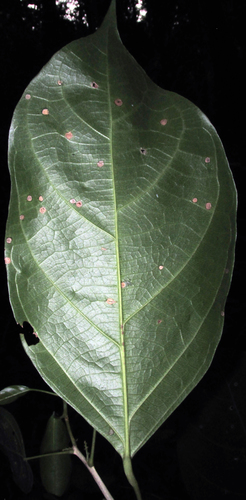
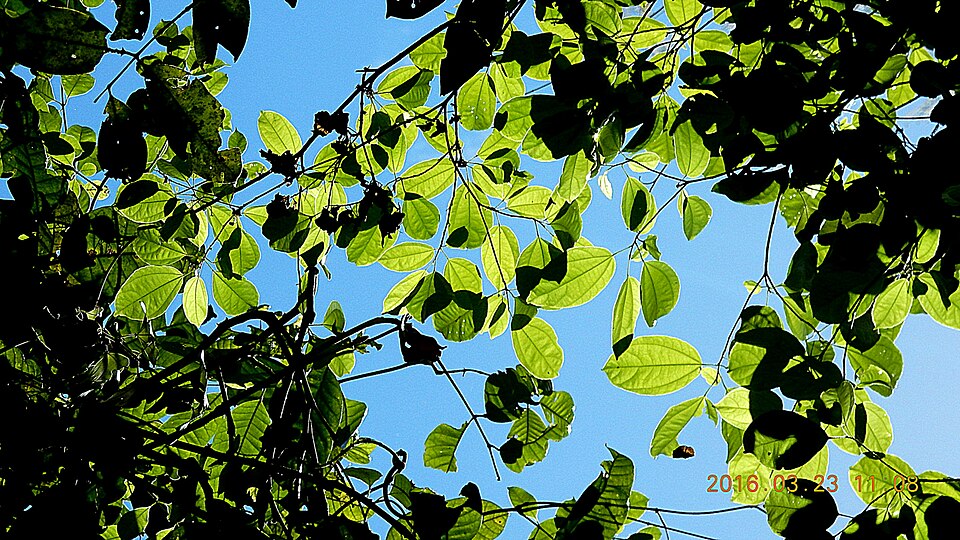
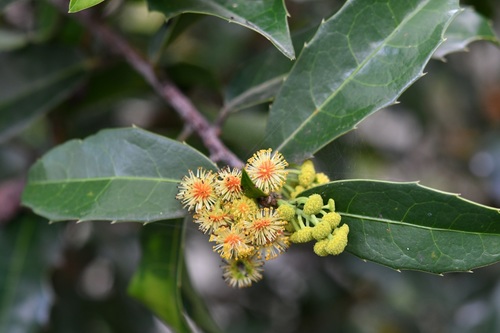
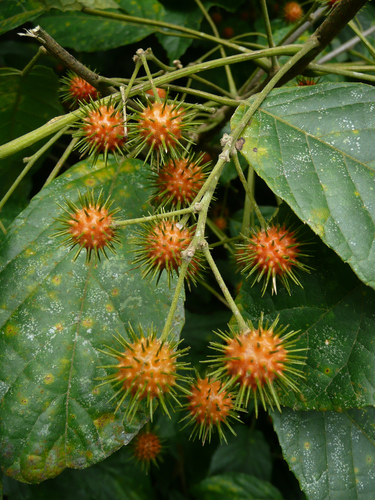
A large tree. The trunk is straight. The bark is dark brown with black spots. The branches are long and thin and horizontal. The leaves are simple and alternate. There are dense teeth along the edge. The flowers are small and white. They are in clusters along the branches. The fruit are capsules. They turn red and split open.
Distribution
It is a tropical plant. It grows in forest clearings and along the edges of forests.
Where It Grows
Belize, Bolivia, Central America, Colombia, Costa Rica, Cuba, Dominican Republic, Ecuador, El Salvador, French Guiana, Guatemala, Guianas, Guyana, Haiti, Honduras, Mexico, Nicaragua, North America, Panama, Peru, Puerto Rico, South America, Suriname, Trinidad and Tobago, Venezuela, West Indies*,
Notes
Also put in the Flacourtiaceae family.
Synonyms
Also Known As
Agamou kaman, Almendrillo, Apijo, Apreuba yemo, Areno, Ayamoyhiue, Caimite cimarron, Cascarudo, Casinga-cheirosa, Cotorrerillo, Cuajillo, Ceuro de sapo, Guacima, Guerrero, Jobo macho, Magaleto, Manga larga, Mascarey, Palo de yagua, Palo verbena, Pericoca, Plomo, Warakarojo, Yagua
References (4)
- Condit, R., et al, 2011, Trees of Panama and Costa Rica. Princeton Field Guides. p 416
- Grandtner, M. M., 2008, World Dictionary of Trees. Wood and Forest Science Department. Laval University, Quebec, Qc Canada. (Internet database http://www.wdt.qc.ca)
- Grandtner, M. M. & Chevrette, J., 2013, Dictionary of Trees, Volume 2: South America: Nomenclature, Taxonomy and Ecology. Academic Press p 342
- Plants of Haiti Smithsonian Institute http://botany.si.edu/antilles/West Indies