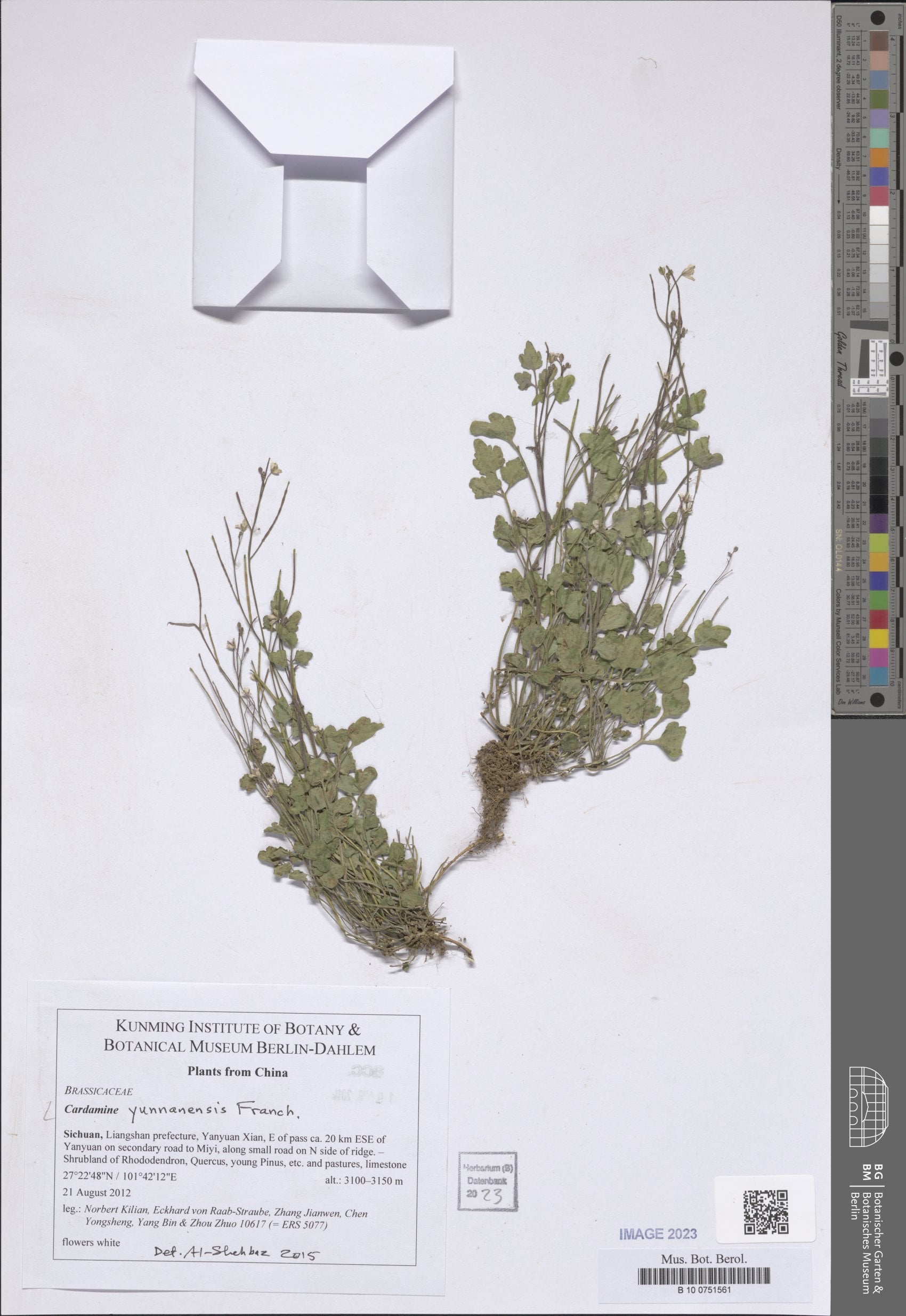
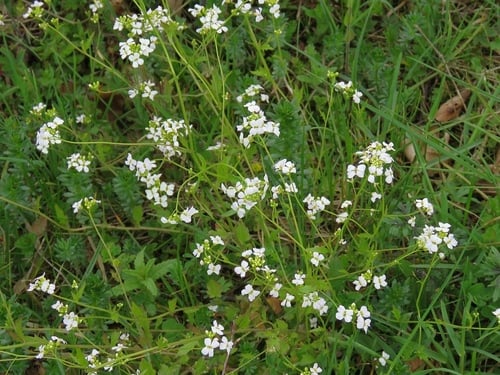
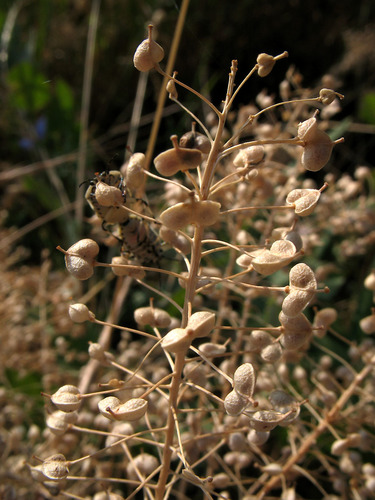
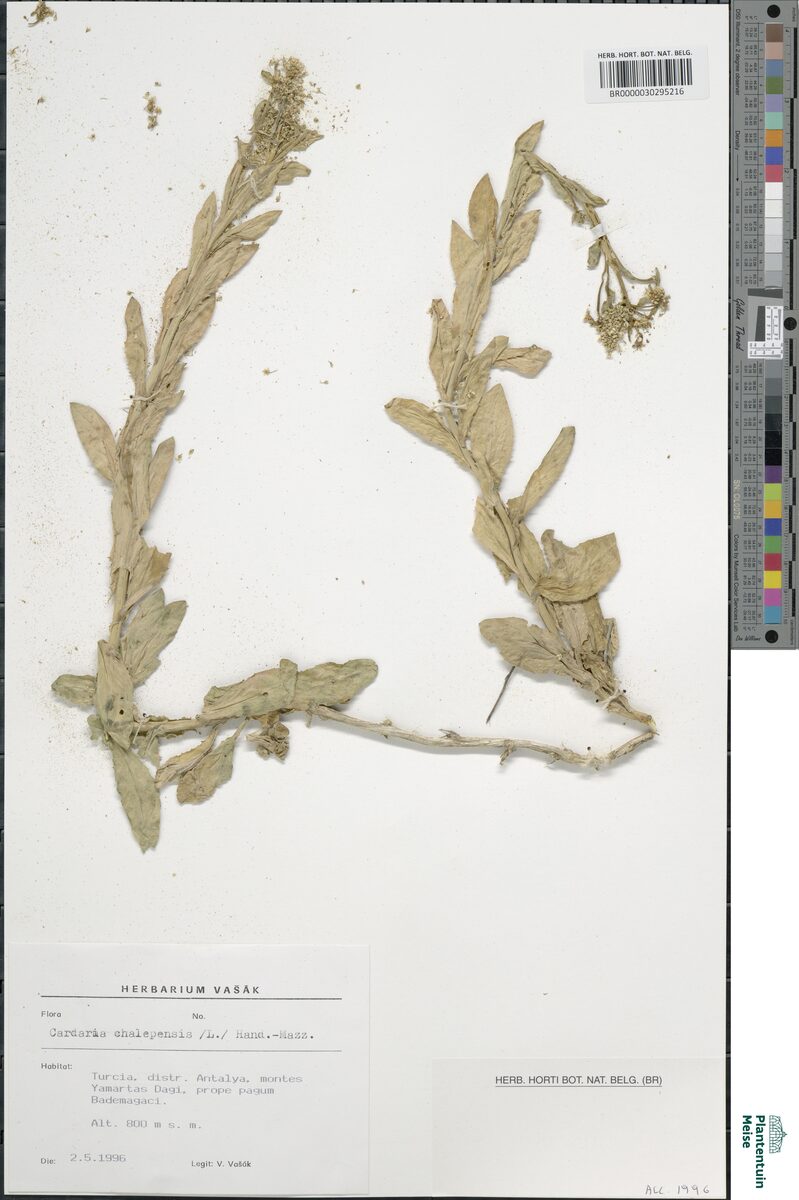
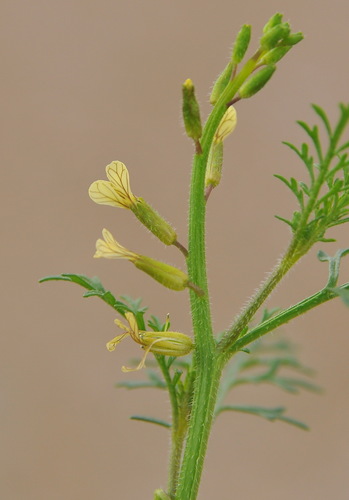
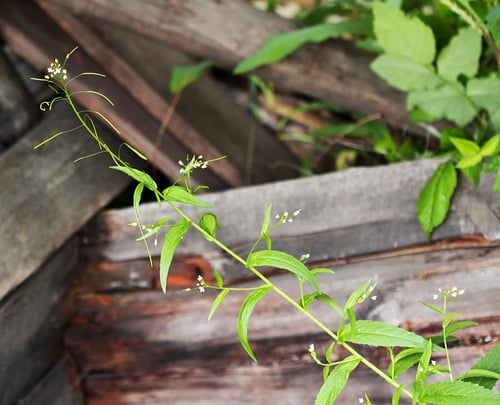
Brassica rapa subsp. oleifera
L., (DC.) Metzg.
Biennial turnip rape, Canola
gbif· cc-by-nc
觅虫记
gbif· cc-by-nc
m_sato
gbif· cc-by-sa
Sven Pruul
Summary
Source: WikipediaBrassica rapa is an annual to biennial plant species native to Eurasia that is from the Brassicaceae family. It has been widely cultivated into many forms, including the turnip (a root vegetable), komatsuna, Chinese cabbage, bomdong, pak choi / bok choy, and rapini. Its domesticated forms include turnips and leafy greens, such as bok choy and napa cabbage. The oilseed types are grown for food and industrial uses. Genetic studies indicate that B. rapa was one of the earliest domesticated brassicas, with turnip-like forms arising first and additional morphotypes developing independently across Eurasia. Wild, feral, and cultivated populations are found worldwide, making the species important agriculturally, economically, and ecologically. Brassica rapa subspecies oleifera is an oilseed commonly known as turnip rape, field mustard, bird's rape, and keblock. Rapeseed oil is a general term for oil from some Brassica species. Food grade oil made from the seed of low-erucic acid Canadian-developed strains is also called canola oil, while non-food oil is called colza oil. Canola oil can be sourced from Brassica rapa and Brassica napus, which are commonly grown in Canada, and Brassica juncea, which is less common.
Description
An annual or biennial herb of the cabbage family grown for its edible leaves, oil, and roots. It is a temperate plant with about 30 Brassica species and many cultivated varieties.
Edible Uses
The leaves, oil, and roots are edible.
Medicinal Uses
Cultivated varieties of B. rapa are consumed commonly as vegetables, such as turnip roots, napa cabbage, komatsuna, pak choi, and other leafy greens, particularly in East Asian, South Asian, and Mediterranean cuisines. The young leaves are a leaf vegetable eaten raw, while older leaves are typically cooked. The taproot and seeds can also be eaten raw, although the seeds contain an oil that can cause irritation for some people. Rapeseed oil from the plant is also used to make canola and colza oils. B. rapa is also commonly used as a rotational cover crop for vegetables due to its ability to prevent erosion and deter disease. Because of their fast life-cycle and genetic diversity, the B. rapa cultivar Wisconsin Fast Plants is widely used in genetics and plant biology education.
Distribution
It is a temperate plant.
Where It Grows
Africa, Armenia, Asia, Australia, Balkans, Central Asia, China, Cuba, East Africa, Europe, Finland, Georgia, Macedonia, Mozambique, Russia, Scandinavia, Slovenia, Sweden, Tajikistan, Tasmania, West Indies,
Notes
There are about 30 Brassica species and many cultivated varieties.
Nutrition
| Part | Moisture | kJ | kcal | Protein | Vit A | Vit C | Iron | Zinc |
|---|---|---|---|---|---|---|---|---|
| Leaves | — | — | — | 46 | — | — | — | — |
| Seeds - oil | — | — | — | — | — | — | — | — |
| Roots | — | — | — | — | — | — | — | — |
Synonyms
Also Known As
Natane, Oljna repica, Rapeseed, Stubble turnip, Winter turnip rape
References (10)
- Bianchini, F., Corbetta, F., and Pistoia, M., 1975, Fruits of the Earth. Cassell. p 74, 236
- Bussman, R. W., et al, 2021, Unity in diversity—food plants and fungi of Sakartvelo (Republic of Georgia), Caucasus. Journal of Ethnobiology and Ethnomedicine (2021) 17:72 p 7
- Flora of China @ efloras.org Volume 8
- Heywood, V.H., Brummitt, R.K., Culham, A., and Seberg, O. 2007, Flowering Plant Families of the World. Royal Botanical Gardens, Kew. p 70
- Miguel, E., et al, 1989, A checklist of the cultivated plants of Cuba. Kulturpflanze 37. 1989, 211-357
Show all 10 references Hide references
- Plants for a Future database, The Field, Penpol, Lostwithiel, Cornwall, PL22 0NG, UK. http://www.scs.leeds.ac.uk/pfaf/
- Small, E., 2009, Top 100 Food Plants. The world's most important culinary crops. NRC Research Press. p 460
- Syst. Beschr. Kohlart. 49. 1833
- Wiersema, J. H. & Leon, B., 2013, World Economic Plants. A Standard Reference CRC Press. 2nd Ed. p 116
- Zhou Taiyan, Lu Lianli, Yang Guang, Ihsan A. Al-Shehbaz, BRASSICACEAE (CRUCIFERAE), Flora of China.