Lippia alba
(Mill.) N. E. Br. ex Britton & P. Wilson
Catnip, Anise verbena
iNaturalist· cc-by-nc
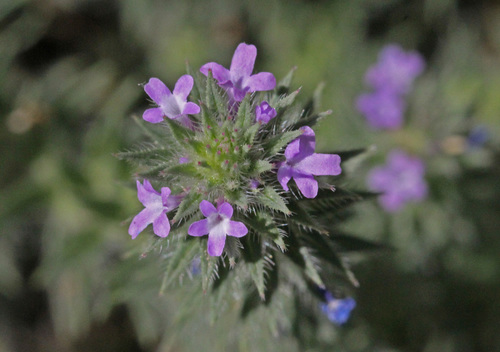
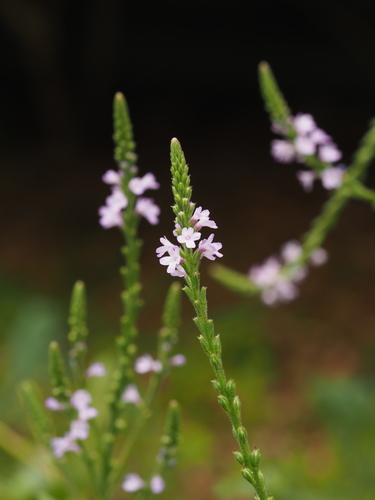
(c) María Belén Dri, some rights reserved (CC BY-NC), uploaded by María Belén Dri
iNaturalist· cc-by
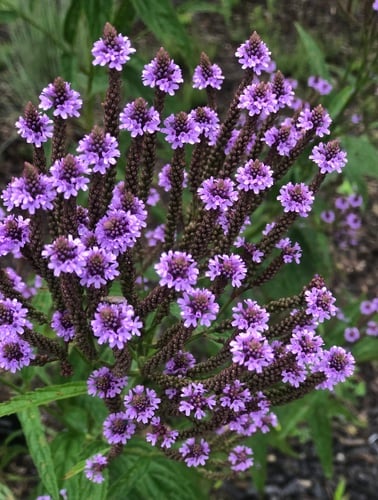
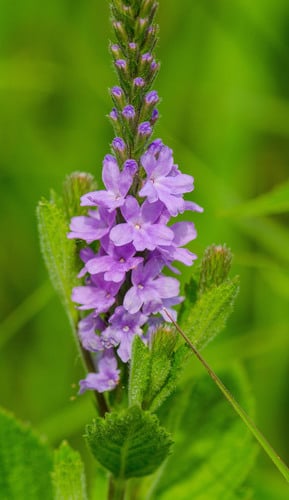
(c) Larus, some rights reserved (CC BY), uploaded by Larus
iNaturalist· cc-by
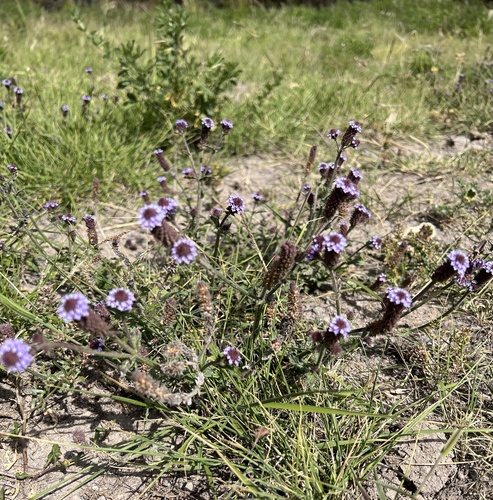
(c) Eduardo Luis Beltrocco, some rights reserved (CC BY), uploaded by Eduardo Luis Beltrocco
Summary
Source: WikipediaLippia alba is a species of flowering plant in the verbena family, Verbenaceae, that is native to southern Texas in the United States, Mexico, the Caribbean, Central America, and South America. In Ethiopia the plant is also known as koseret (Amharic: ኮሰረት) and used as a cooking herb, especially for preparing the spiced butter niter kibbeh. The species is also present in Australia and India, where it is probably a human introduction. Common names include bushy matgrass, bushy lippia, hierba negra, juanilama, pamporegano, poleo and pitiona.
Description
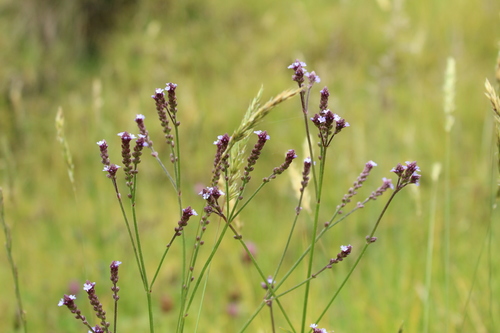
A shrub. It is branched. It grows 1.5 m tall. The leaves are opposite or in threes. The leaves are 1-3 cm long and 1-2 cm wide. The flowers are white or pink. They are in spikes 2 cm long.
Edible Uses
Bushy lippia is widely cultivated as an ornamental for its aromatic foliage and beautiful flowers. The essential oil composition is unique to each plant, but may include piperitone, geranial, neral, caryophyllene, camphor, eucalyptol, limonene, carvone, germacrene, α-guaiene, β-ocimene, linalool, or myrcene. The leaves are used for flavoring foods, such as mole sauces from Oaxaca, Mexico. The plant is used medicinally for its somatic, sedative, antidepressant, and analgesic properties.
Traditional Uses
The leaves are used as a vegetable. They have an anise flavour and are used in soups and with meat and fish. Thye are also used for chutney. The leaves are used for tea.
Medicinal Uses
A tea made from the leaves is a favourite domestic remedy in Central America for both intestinal and respiratory disturbances, including influenza. A well-sugared infusion is drunk to bring relief of heart problems and to soothe tachycardia. Used externally, the aromatic leaves are used in herbal baths, to cure fevers and severe stomach pain, and to cleanse the bladder. The plant contains an essential oil composed principally of dihydrocarvone. Other compounds include limonene, pinene, linalol, and camphor.
Distribution
A subtropical plant. In Argentina it grows from sea level to 1,000 m above sea level.
Where It Grows
Amazon, Andaman Is., Argentina, Asia, Australia, Bahamas, Belize, Bolivia, Brazil, Caribbean, Central America*, Colombia, Costa Rica, Cuba, Dominican Republic, Ecuador, El Salvador, French Guiana, Guatemala, Guianas, Guyana, Haiti, Himalayas, Honduras, India, Jamaica*, Lesser Antilles*, Mexico*, Nicaragua, North America, Northeastern India, Panama,Paraguay, Peru, Portugal, Puerto Rico, South America, St Lucia, Suriname, Trinidad-Tobago, Uruguay, USA, Venezuela, West Indies*,
Cultivation
Plants can be grown from seeds.
Propagation
Seed - Basal or nodal softwood cuttings. Cuttings of semi-ripe wood.
Other Uses
An essential oil is obtained from the plant. The principle compound in the oil is dihydrocarvone., others include limonene, pinene, linalol, and camphor.
Synonyms
Also Known As
Basula, Borma mosla lai, Bushy lippia, Bushy matgrass, Cha-de-zezinho, Cidreira-do-campo, Daru kaini ba, Guinea mint, Hierba negra, Licorice verbena, Lopong-brik, Naga-ateri, Nakalopong, Ontaibajab, Pampa oregano, Pitiona, Taw-tas, Thoilopong, Yantria
References (23)
- Alimenticias - FloraSBS
- Ambasta S.P. (Ed.), 2000, The Useful Plants of India. CSIR India. p 332
- Baro, D., Baruah, S. and Borthukar, S. K. 2015, Documentation on wild vegetables of Baksa district, BTAD (Assam). Scholars Research Library. Archives of Applied Science Research, 2015, 7 (9):19-2 (As Lippia geminata)
- Bortolotto, I. M., et al, 2018, Lista preliminar das plantas alimenticias nativas de Mato Grosso do Sul, Brasil. Iheringia, Serie Botanica, Porto Alegre, 73 (supl.):101-116
- Bot. Porto Rico 6:141. 1925
Show all 23 references Hide references
- Caballero-Serrano, V., et al, 2019, Traditional ecological knowledge and medicinal plant diversity in Ecuadorian Amazon home gardens. Global Ecology and Conservation 17 (2019) e00524 p 14
- Coe, F. G., and Anderson, G. J., 1996, Ethnobotany of the Garifuna of Eastern Nicaragua. Economic Botany 50(1) pp 71-107
- Coe, F. G. and Anderson, G. J., 1999, Ethnobotany of the Sumu (Ulwa) of Southeastern Nicaragua and Comparisons with Miskitu Plant Lore. Economic Botany Vol. 53. No. 4. pp. 363-386
- Facciola, S., 1998, Cornucopia 2: a Source Book of Edible Plants. Kampong Publications, p 244
- Kar, A., & Borthakur, S. K., 2008, Wild vegetables of Karbi - Anglong district, Assam, Natural Product Radiance, Vol. 7(5), pp 448-460 (As Lippia geminata)
- Kermath, B. M., et al, 2014, Food Plants in the Americas: A survey of the domesticated, cultivated and wild plants used for Human food in North, Central and South America and the Caribbean. On line draft. p 491
- Kew Plants of the World Online
- Kinupp, V. F., 2007, Plantas alimenticias nao-convencionais da regiao metropolitana de Porto Alegre, RS, Brazil p 107
- Medhi, P., Sarma, A and Borthakur, S. K., 2014, Wild edible plants from the Dima Hasao district of Assam, India. Pleione 8(1): 133-148
- Morton,
- Narzary, H., et al, 2013, Wild Edible Vegetables Consumed by Bodo tribe of Kokrajhar District (Assam), North-East India. Archives of Applied Science Research, 5(5): 182-190 (As Lippia geminata)
- Piedra-Malagón, E. M., et al, 2022, Edible native plants of the Gulf of Mexico Province. Biodiversity Data Journal 10: e80565 p 32
- Plants of Haiti Smithsonian Institute http://botany.si.edu/antilles/West Indies
- Singh, H.B., Arora R.K.,1978, Wild edible Plants of India. Indian Council of Agricultural Research, New Delhi. p 27
- Tanaka,
- Teron, R. & Borthakur, S. K., 2016, Edible Medicines: An Exploration of Medicinal Plants in Dietary Practices of Karbi Tribal Population of Assam, Northeast India. In Mondal, N. & Sen, J.(Ed.) Nutrition and Health among tribal populations of India. p 156 (As Lippia geminata)
- Vael, L., 2015, Ethnobotanical study of the plant use in the natural landscape of two mestizo communities in the Ucayali region of the Peruvian Amazon. Universiteit Gent.
- World Checklist of Useful Plant Species 2020. Royal Botanic Gardens, Kew