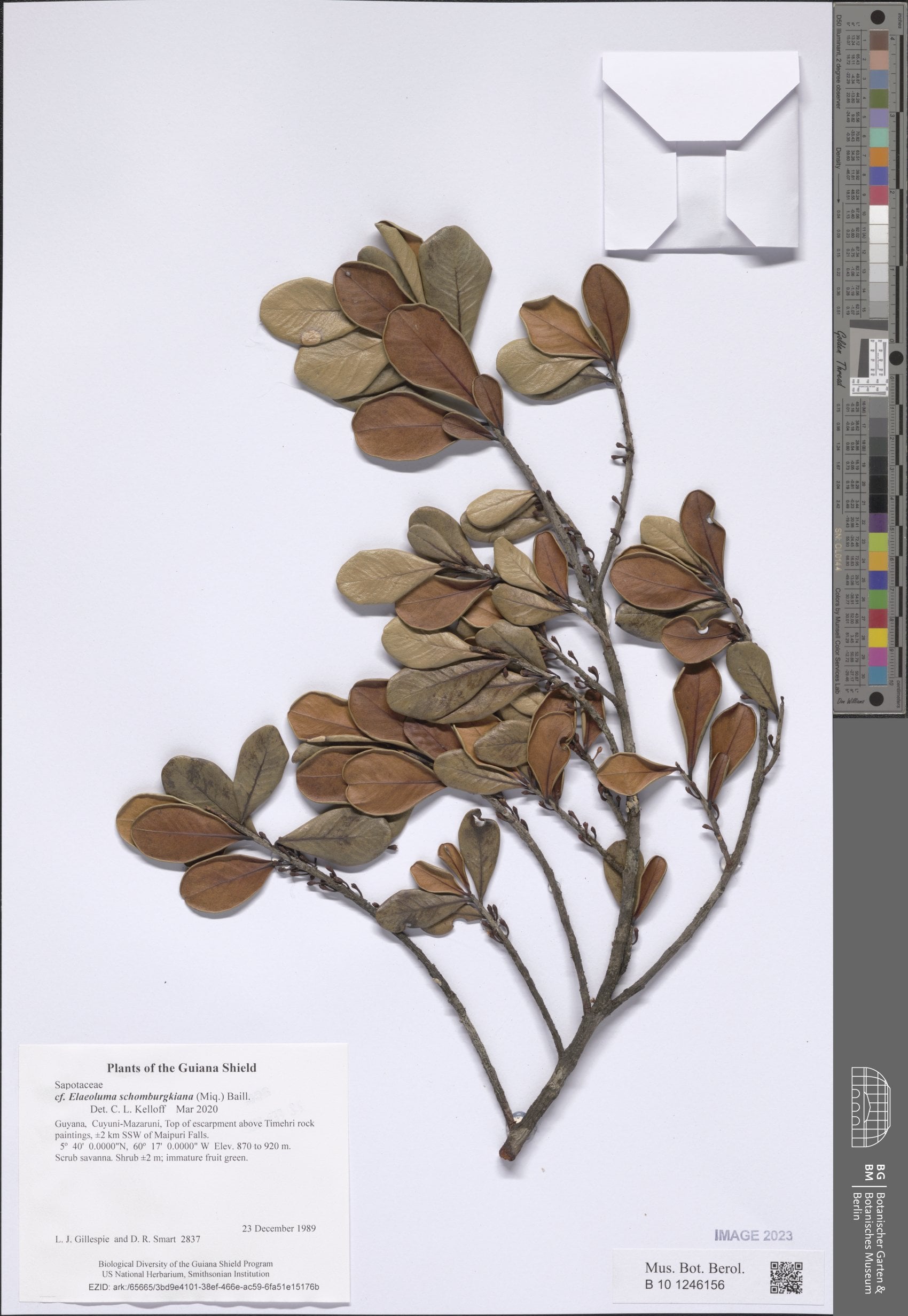
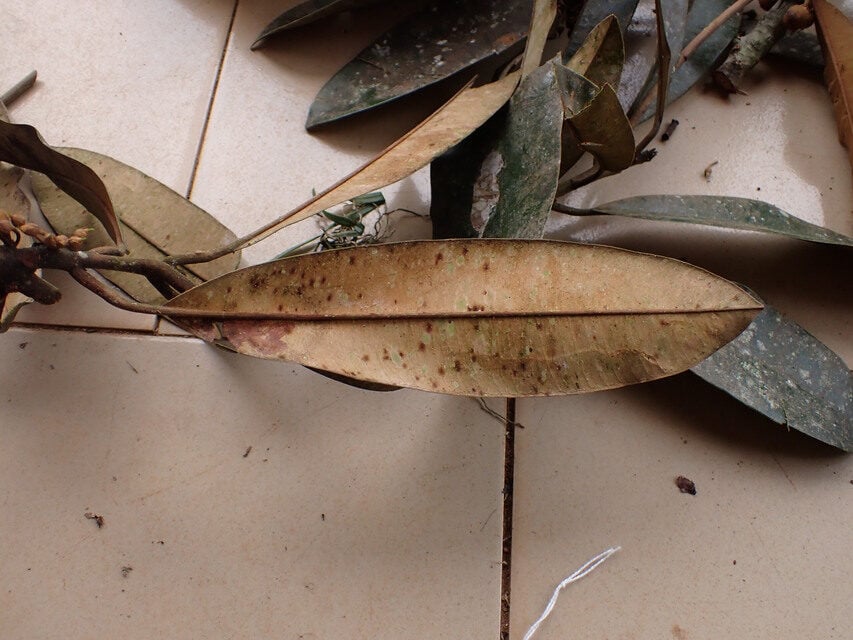
Chrysophyllum mexicanum
Brandegee ex Standl.
Mexican star-apple
iNaturalist· cc-by
(c) Neptalí Ramírez Marcial, some rights reserved (CC BY), uploaded by Neptalí Ramírez Marcial
iNaturalist· cc-by-nc
(c) B Mlry, some rights reserved (CC BY-NC)
iNaturalist· cc-by-sa
(c) Leonora Enking, some rights reserved (CC BY-SA)
Summary
Source: WikipediaChrysophyllum mexicanum is a plant in the family Sapotaceae, native to Mexico and Central America.
Description
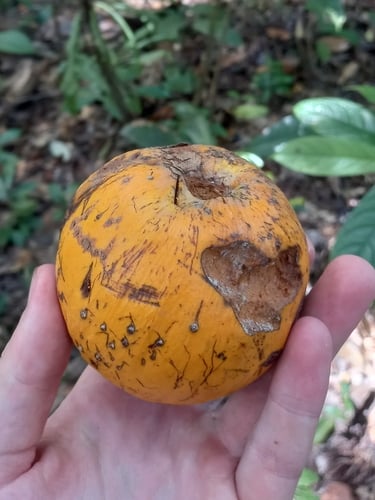
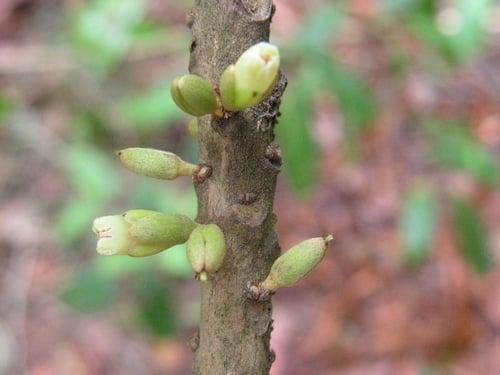
A tree. It grows 20 m tall. The leaves are 5-14 cm long by 2-6 cm wide. The flowers are in groups of 1-15 in the axils of leaves. The flowers are greenish white. The fruit are narrowly oval and about 2 cm long by 1 cm wide. There is one seed.
Edible Uses
The fruit is eaten raw, particularly popular with children.
Traditional Uses
The fruit are eaten raw.
This uses section is brief — help expand it
Distribution
It is a tropical plant.
Where It Grows
Belize, Central America, Costa Rica, El Salvador, Guatemala, Honduras, Mexico, Nicaragua, North America, Panama,
Other Uses
The wood is used for making axe handles.
Other Information
The fruit are mostly eaten by children.
Also Known As
Agya, Chikeh, Caimitillo, Caimito cimarron, Chikeeh, Pistillo, Siciya
References (8)
- Ferns, Useful Tropical Plants
- FMNH Botany Collections Database - Mesoamerican Ethnobotany emuweb.field museum.org
- Grandtner, M. M., 2008, World Dictionary of Trees. Wood and Forest Science Department. Laval University, Quebec, Qc Canada. (Internet database http://www.WDT.QC.ca)
- Kermath, B. M., et al, 2014, Food Plants in the Americas: A survey of the domesticated, cultivated and wild plants used for Human food in North, Central and South America and the Caribbean. On line draft. p 225
- Mutchnick, P. A. and McCarthy, B. C., 1997, An Ethnobotanical Analysis of the Tree Species Common to the Subtropical Moist Forests of the Peten, Guatemala. Economic Botany, Vol. 51, No. 2, pp. 158-183
Show all 8 references Hide references
- Piedra-Malagón, E. M., et al, 2022, Edible native plants of the Gulf of Mexico Province. Biodiversity Data Journal 10: e80565 p 29
- Pilz, G. E., 1981, Sapotaceae of Panama. Annals of Missouri Botanical Garden. Vol. 68. No. 1 p 177
- Segura, S., et al, 2018, The edible fruit species in Mexico. Genet Resour Crop Evol (2018) 65:1767–1793