Planchonella costata
(Endl.) Pierre
Tawapou
iNaturalist· cc-by
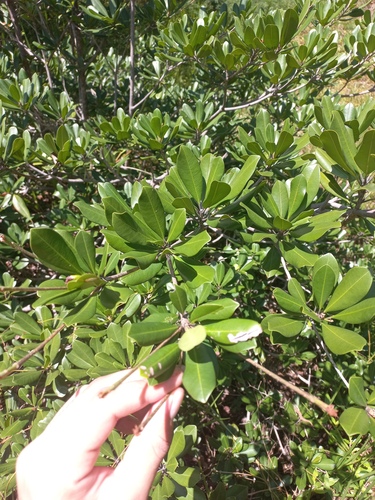
(c) Jacqui Geux, some rights reserved (CC BY), uploaded by Jacqui Geux
iNaturalist· cc-by
(c) Jacqui Geux, some rights reserved (CC BY), uploaded by Jacqui Geux
iNaturalist· cc-by
(c) Jacqui Geux, some rights reserved (CC BY), uploaded by Jacqui Geux
Summary
Source: WikipediaPlanchonella costata is a small coastal tree native to the northern North Island (New Zealand) and to Norfolk Island (Australia). In New Zealand, its common name is tawapou (Māori: "tawāpou"); on Norfolk Island it is called bastard ironwood. The name costata is from the Latin costatus (ribbed), a reference to the prominently raised primary nerves of the leaves.
Description
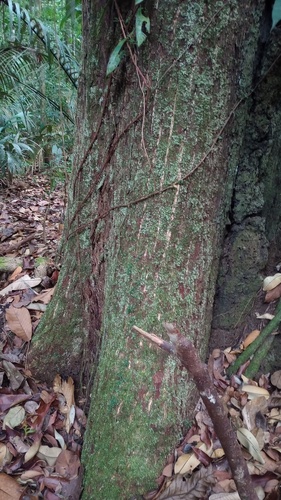
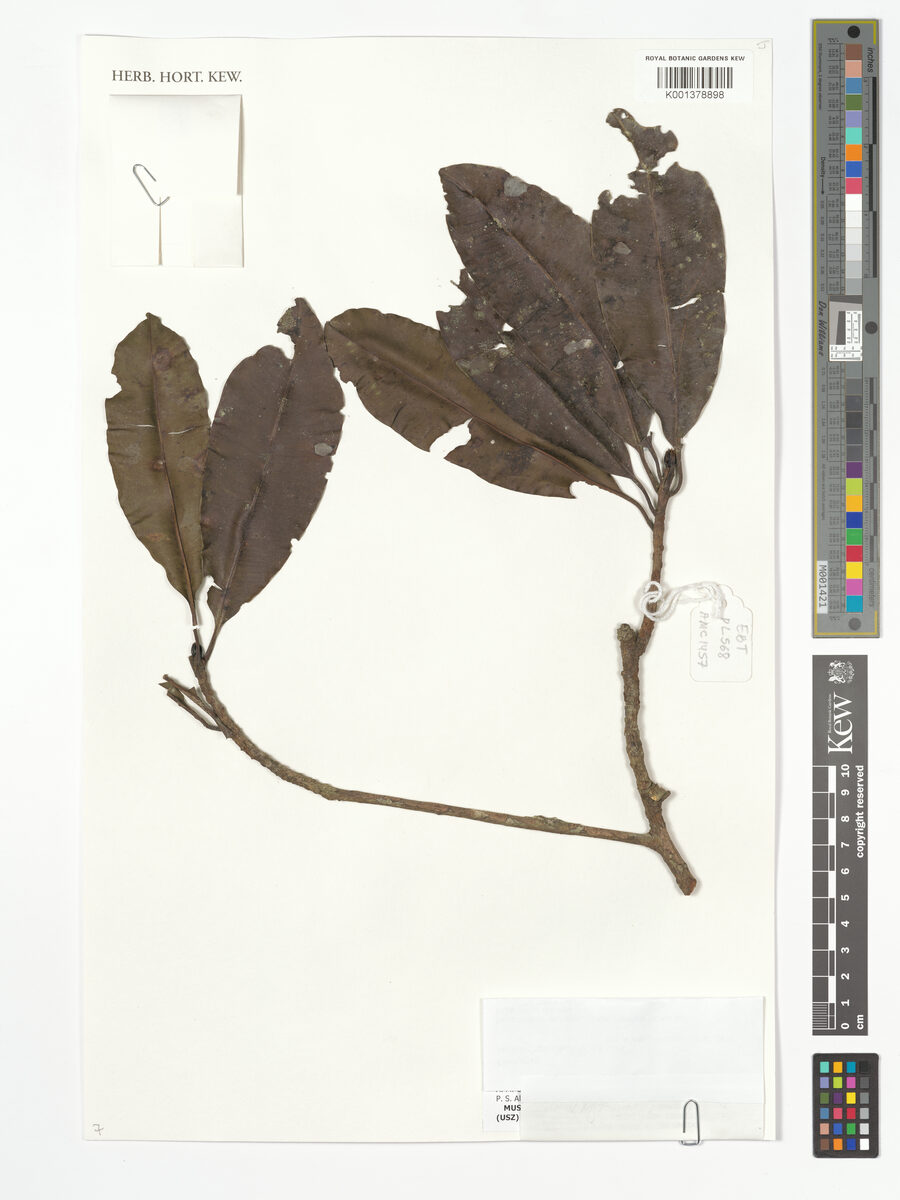
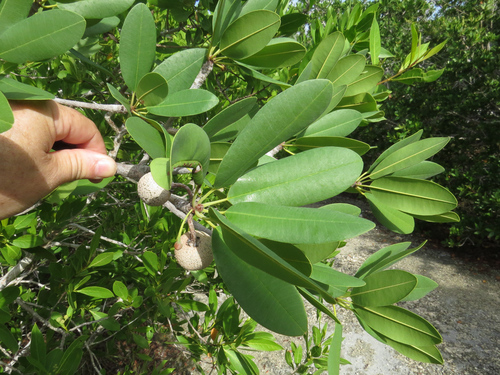
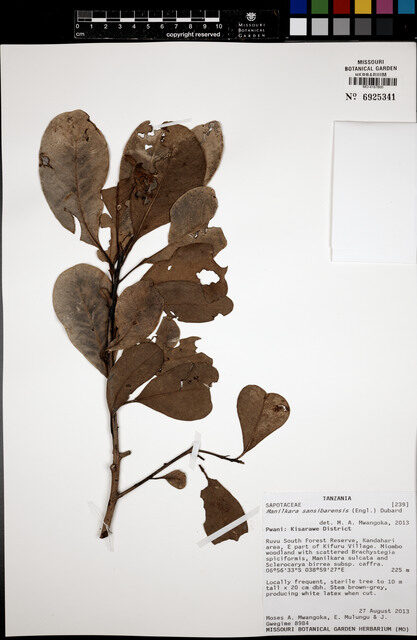
A tree. It grows 6-8 m tall but can grow 20 m tall. The trunk can be 1 m across. The leaves are shiny green and 5-10 cm long by 2-5 cm wide. There are 14-20 side veins. The small branches and leaf stems have short hairs. The flowers are small and delicate. They are 4-6 mm across. They are usually in the axils of leaves. The fruit are berries 3-4 cm long. They have 2-4 seeds. These are curved. They fruit change from green to orange to dark red as they ripen.
Edible Uses
The ripe berries are eaten.
Known Hazards
The plant is damaged by frost.
Distribution
It is a tropical and subtropical plant. In New Zealand it grows up to 450 m above sea level. It suits coastal conditions. It is damaged by frost. It can tolerate drought. It has been cultivated in the Hobart Botanical Gardens. Melbourne Botanical Gardens.
Where It Grows
Australia, New Zealand*, Norfolk Island, Pacific, Tasmania, Vanuatu,
Cultivation
Plants are grown from fresh seeds. It is hard to grow from cuttings.
Production
It is slow growing.
Synonyms
References (3)
- Candollea 9:304. 1942
- Crowe, A., 1997, A Field Guide to the Native Edible Plants of New Zealand. Penguin. p 58
- Triono, T., et al, 2007, A phylogeny of Pouteria (Sapotaceae) from Malesia and Australasia. Australian. Systematic Botany. 20:107-118