Scolopia crenata
(Wight & Arn.) Clos
Potato plum of Mysore
iNaturalist· cc-by
(c) Siddarth Machado, some rights reserved (CC BY), uploaded by Siddarth Machado
iNaturalist· cc-by
(c) Siddarth Machado, some rights reserved (CC BY), uploaded by Siddarth Machado
iNaturalist· cc-by
(c) Siddarth Machado, some rights reserved (CC BY), uploaded by Siddarth Machado
Summary
Source: WikipediaScolopia crenata, known commonly as potato plum of Mysore, is a subcanopy tree found in tropical evergreen to semi-evergreen forests of Indo-Malaysia and the Western Ghats, up to 1800 m.
Description
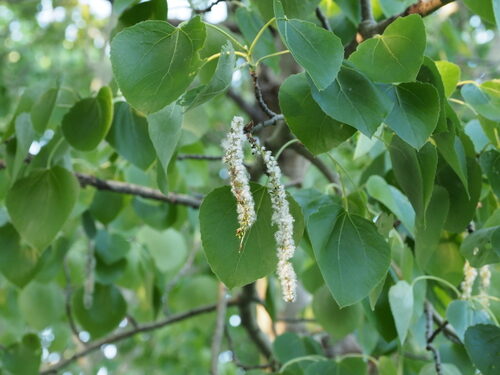
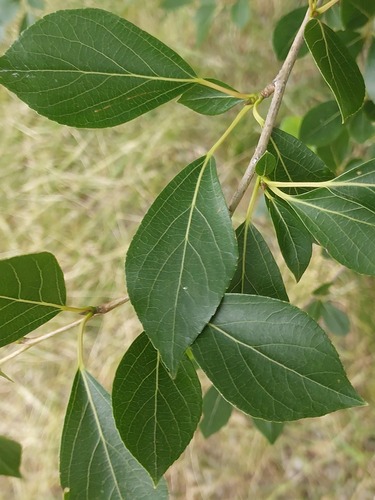
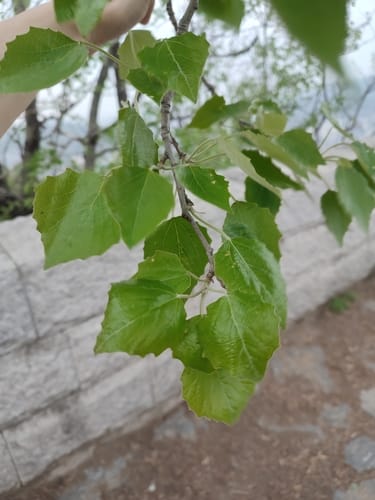
An evergreen tree. It grows up to 18 m tall. The tree and branches can have thorns. The leaves are simple and alternate. The leaf blade is 6-12 cm long by 2-5 cm wide. It is narrowly oval to sword shaped and tapers to the tip. The flowers are in groups in the axils of leaves. They are white and there are many stamens. The fruit are round berries 2 cm across. There are 2-6 seeds.
Edible Uses
The ripe fruit are eaten.
Traditional Uses
The ripe fruit are eaten.
This uses section is brief — help expand it
Medicinal Uses
The leaves are used for treating musco-skeletal pain. The bark has been shown to have antimicrobial and antioxidant activity.
Distribution
A tropical plant. It grows in forests up to 1,800 m above sea level in India. It Nepal it grows up to 800 m above sea level.
Where It Grows
Andaman Islands, Asia, China, Himalayas, India*, Malaysia, Nepal, SE Asia, Sri Lanka,
Other Uses
The reddish brown wood is hard, close and even grained.
Production
In south India it flowers and fruits October to April.
Other Information
It is cultivated.
Notes
There are 37-40 Scolopia species. Also put in the Flacourtiaceae family.
Synonyms
Also Known As
Adikejaple, Charalu, Cheruchaliru, Dodd-dajaapaalahaple, Heccaralu, Hitterlu, Japle, Kodalimara, Kodalli, Kokkari, Malekakkade, Purushahesari, Sarel, Sarelmarom
References (9)
- Ambasta S.P. (Ed.), 2000, The Useful Plants of India. CSIR India. p 561
- Dobriyal, M. J. R. & Dobriyal, R., 2014, Non Wood Forest Produce an Option for Ethnic Food and Nutritional Security in India. Int. J. of Usuf. Mngt. 15(1):17-37
- Fern, K., 2012, Tropical Species Database http://theferns.info/tropical/
- Harisha, R. P. & Padmavathy, S., 2013, Knowledge and Use of Wild Edible Plants in Two Communities in Malai Madeshwara Hills, Southern India. International Journal of Botany 9(2): 64-72.
- Narayanan, M. K., R., et al, 2011, Ethnobotanically important trees and their uses by Kattunaikka tribe in Wayanad Wildlife Sanctuary, Kerala, India. Journal of Medicinal Plants research. 5(4): 704-612
Show all 9 references Hide references
- Pradhan, R., et al, 2020, Potential Wild Edible Plants and its Significance in Livelihood of Indigenous People of Male Mahadeshwara Hills, Karnataka. Economic Affairs Vol. 64, No. 4 pp. 01-14
- Ramachandran, V.S., 1987, Further Notes on the Ethnobotany of Cannanore District, Kerala. J. Econ. Tax. Bot. Vol. 11 No. 1 pp 47-
- Ramachandran, V. S., 2007, Wild edible plants of the Anamalais, Coimbatore district, western Ghats, Tamil Nadu. Indian Journal or Traditional Knowledge. 6(1) pp 173-176
- Schatz, G.E., 2001, Generic Tree Flora of Madagascar. Royal Botanical Gardens, Kew and Missouri Botanical Garden. p 357 (Genus)