Melica bulbosa
Geyer
Oniongrass
iNaturalist· cc-by-nc-nd
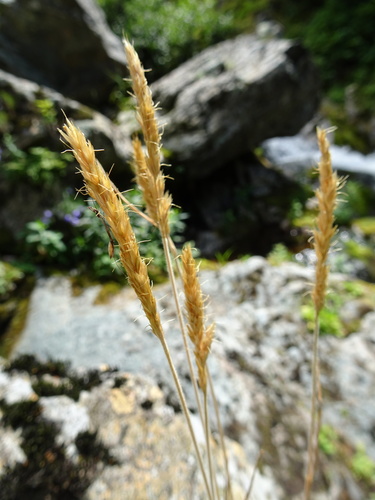
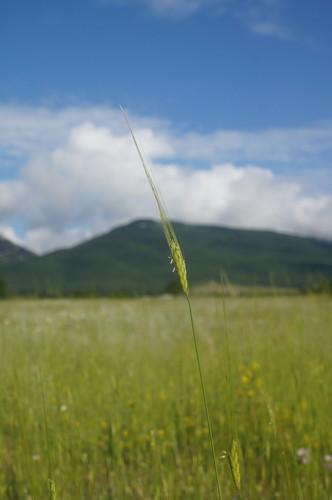
(c) David Greenberger, some rights reserved (CC BY-NC-ND), uploaded by David Greenberger
iNaturalist· cc-by-nc
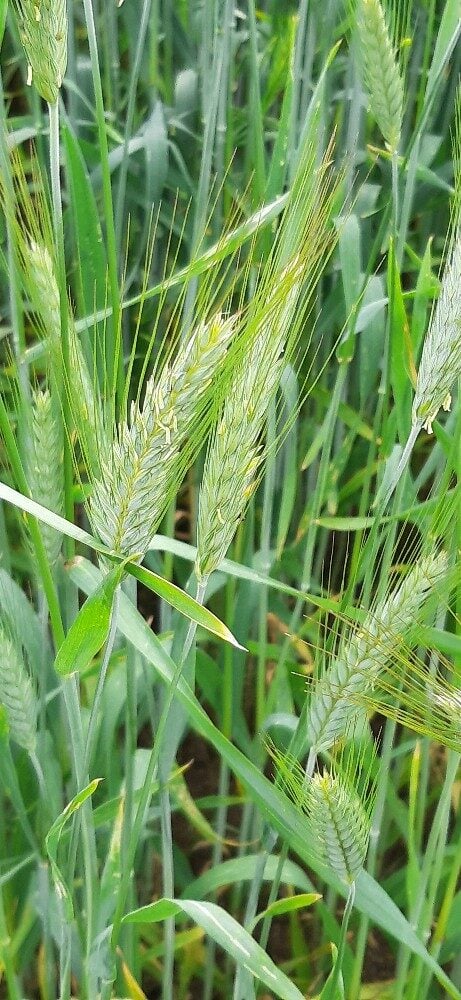
(c) Finn McGhee, some rights reserved (CC BY-NC)
iNaturalist· cc-by-nc
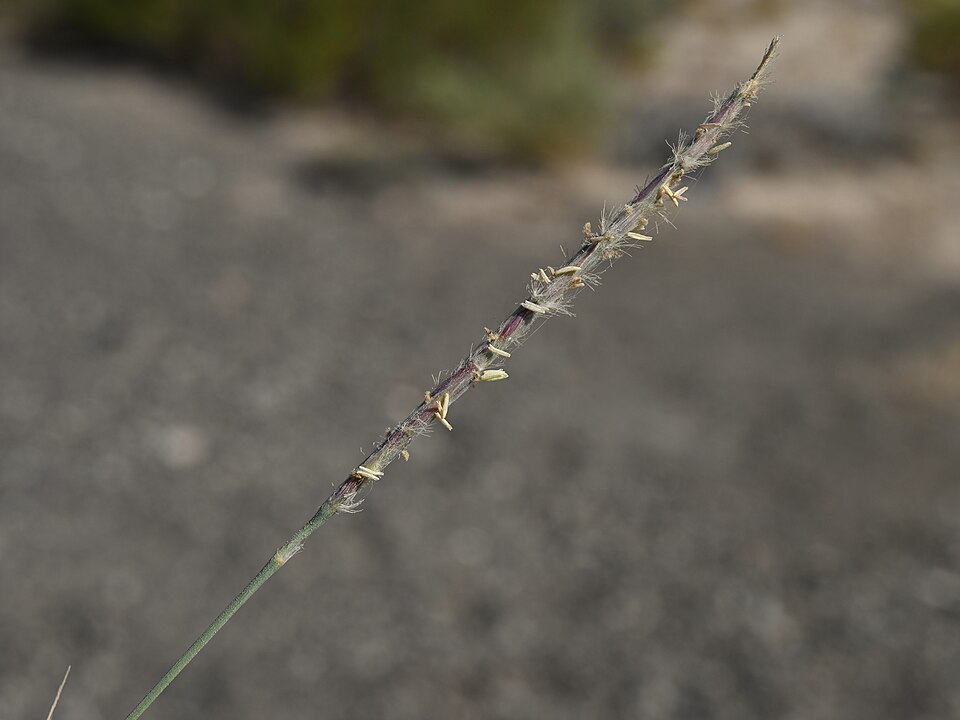
(c) Finn McGhee, some rights reserved (CC BY-NC)
Summary
Source: WikipediaMelica bulbosa is a species of grass known by the common name oniongrass. The common name comes from the onionlike appearance of the corm at its root; it is not related to the onions. It is native to western North America from British Columbia to the Rocky Mountains to California. It may or may not occur as far east as Texas. Its habitat includes mountain forest and woods, open hillsides, and streambanks. This is a rhizomatous perennial grass with a cluster of white corms at the base of the stem. The plant forms a loose cluster of stems up to a meter tall. The inflorescence is a narrow or spreading series of bullet-shaped spikelets. The spikelet is banded in purple and green.
Description
A temperate grass in the family Poaceae, with edible seeds and roots that have been traditionally harvested for food.
This description is brief — help expand it
Edible Uses
The raw roots are pounded and made into a porridge; seeds are also eaten.
Traditional Uses
The raw roots are pounded and made into a porridge.
This uses section is brief — help expand it
Distribution
It is a temperate plant.
Where It Grows
North America, USA,
Notes
There are about 60 Melica species.
References (2)
- http://www.stoller-eser.com/Flora/ethnobotany_table.htm
- Moerman, D. F., 2010, Native American Ethnobotany. Timber Press. p 338