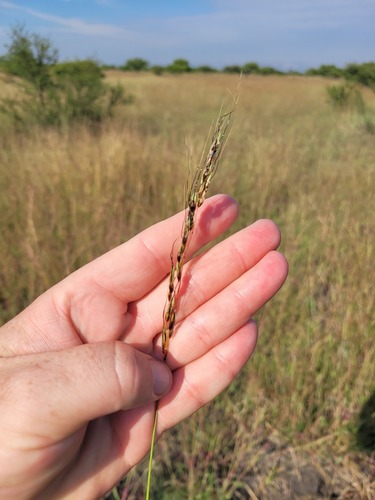
Sorghum propinquum
(Kunth) Hitchc.
Wild sorghum
iNaturalist· cc-by
(c) chiuluan, some rights reserved (CC BY), uploaded by chiuluan
iNaturalist· cc-by
(c) chiuluan, some rights reserved (CC BY), uploaded by chiuluan
iNaturalist· cc-by
(c) chiuluan, some rights reserved (CC BY), uploaded by chiuluan
Summary
Source: WikipediaSorghum propinquum is a species of wild Sorghum native to most of tropical Asia, from India to Southeast Asia, southern China, Malesia and Papuasia. A perennial, rhizomatous diploid with the same number of chromosomes (2n=20) as the annual, non-rhizomatous diploid Sorghum bicolor, it is being studied for its potential for sorghum crop improvement. In an ancient hybridization event with S. bicolor, it gave rise to Johnson grass (S. halepense), one of the planet's worst weeds.
Description
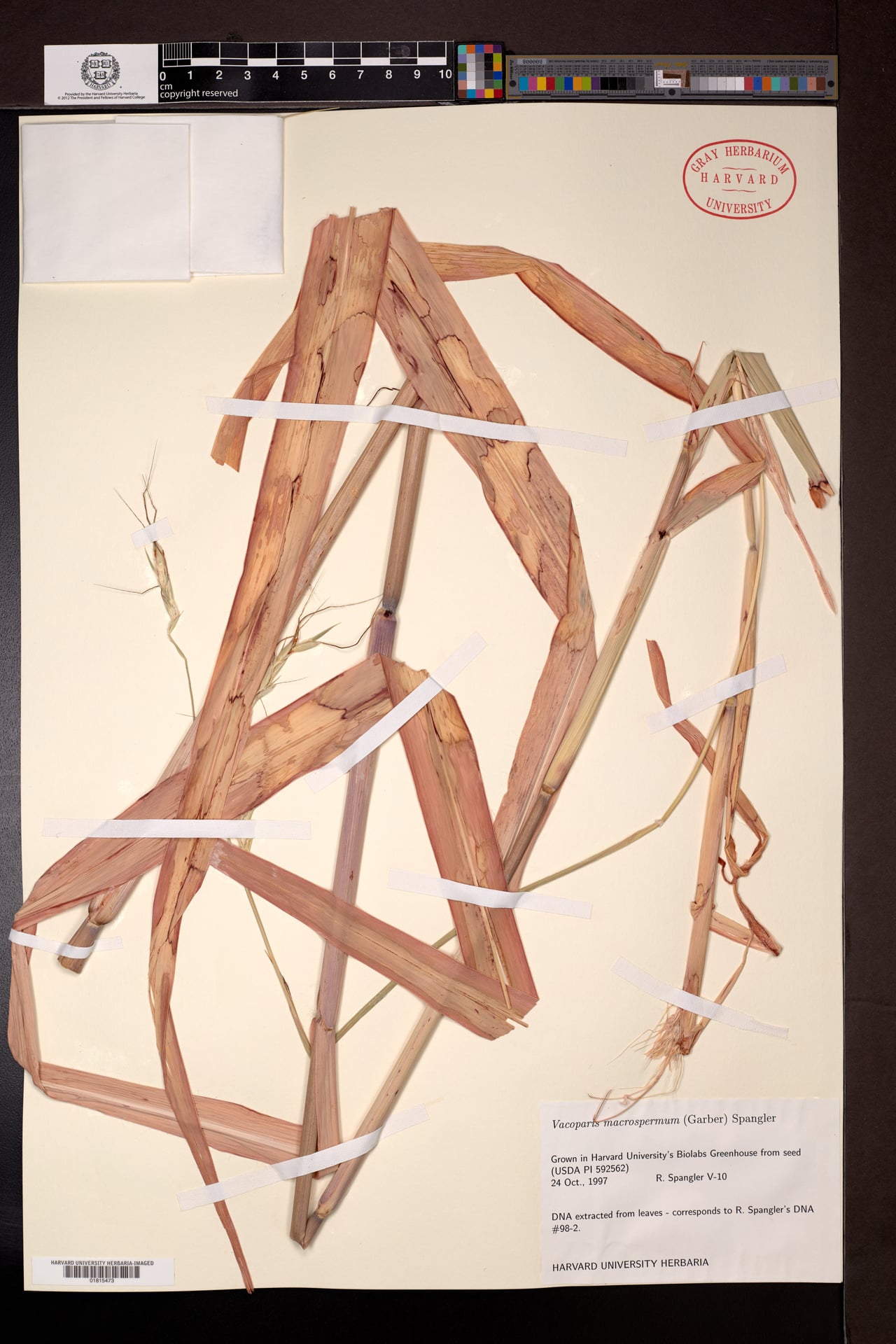
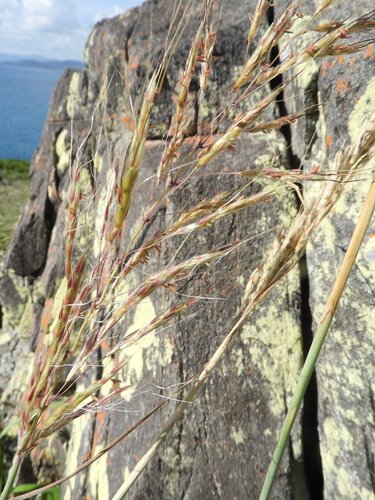
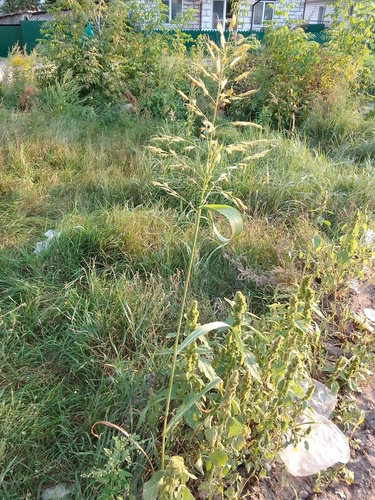
A millet grass which keeps growing from year to year. It has a few stout underground stems or rhizomes. The stem is erect and grows 2-3 m tall. The leaf blade is 30-100 cm long by 1-5 cm wide. The flowers are in a loose panicle. This is 20-60 cm long. There are 2-6 spikelets in each group. The seed is very small.
Edible Uses
The grain is eaten as a famine food.
Traditional Uses
The grain is eaten as a famine food.
This uses section is brief — help expand it
Distribution
A tropical plant. It grows on river banks, roadsides and open hillsides. It grows in grassland and forest. It grows up to 1000 m altitude. In Sichuan and Yunnan.
Where It Grows
Asia, Cambodia, China, India, Indochina, Indonesia, Malaysia, Philippines, SE Asia, Sri Lanka, Taiwan, Thailand, Vietnam,
Synonyms
Also Known As
Glagah rayung, Kano-kano, Berang, Tebu tikus, Ya-pong
References (4)
- Ambasta, S.P. (Ed.), 2000, The Useful Plants of India. CSIR India. p 589
- Lingnan Sci. J. 7:249. 1931
- PROSEA (Plant Resources of South East Asia) handbook Volume 10 Cereals. p 153
- World Checklist of Useful Plant Species 2020. Royal Botanic Gardens, Kew