Pouteria baehniana
Monach.
Yaas
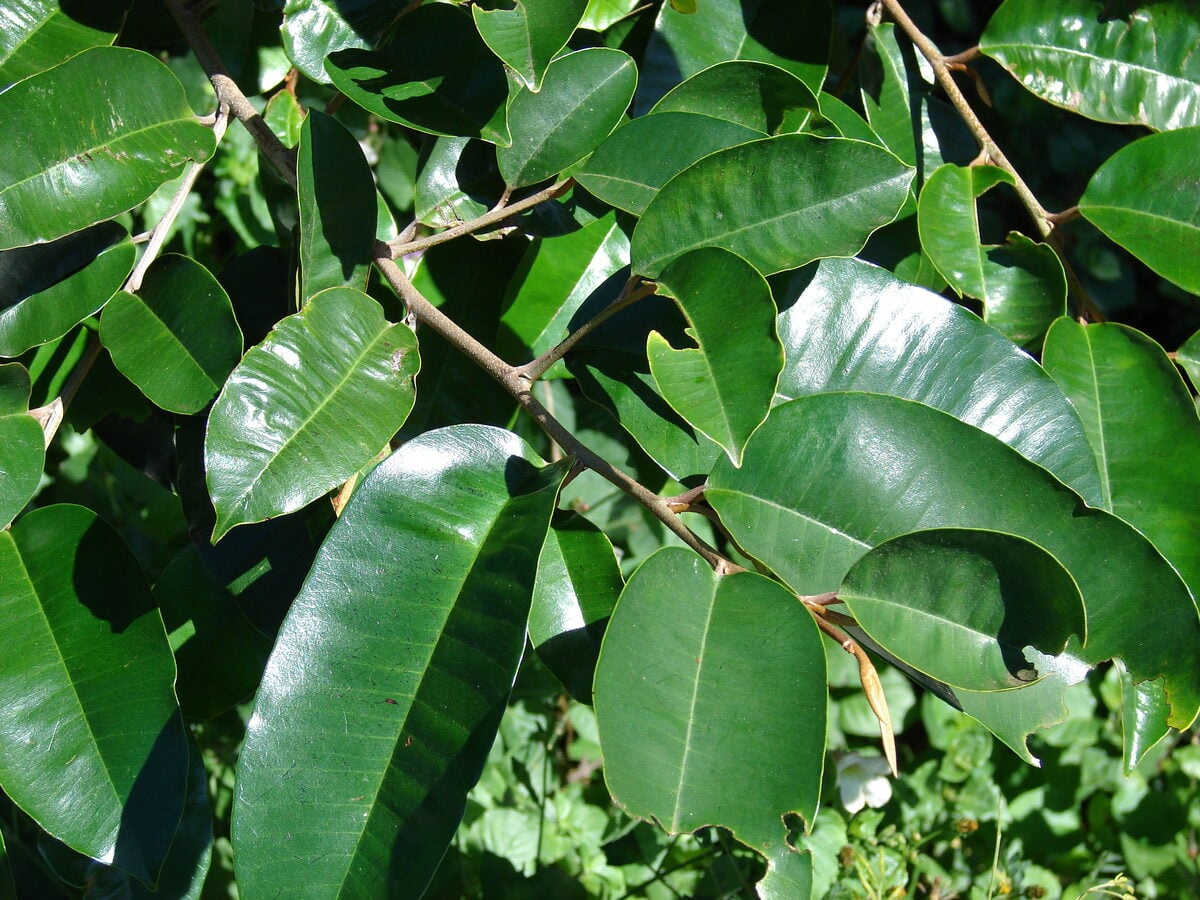
iNaturalist· cc-by-nc
(c) Apipa, some rights reserved (CC BY-NC), uploaded by Apipa
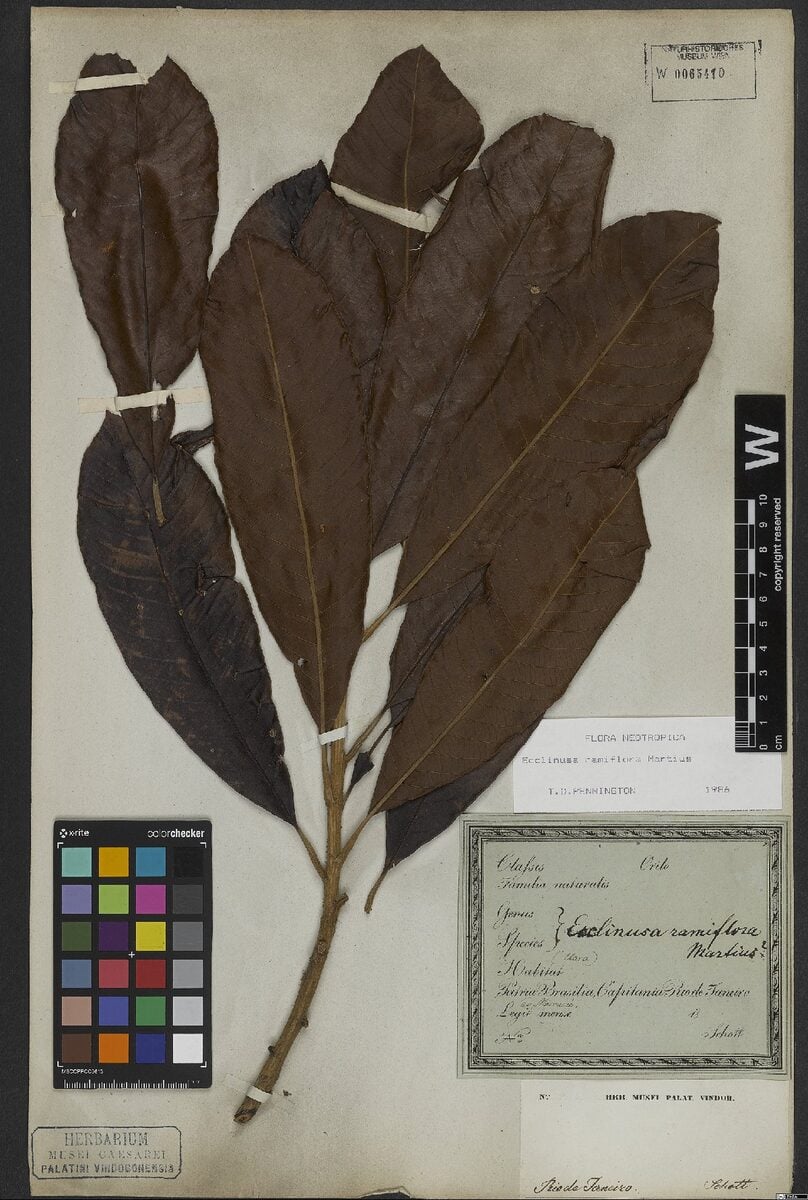
iNaturalist· cc-by-nc
(c) Apipa, some rights reserved (CC BY-NC)
Description
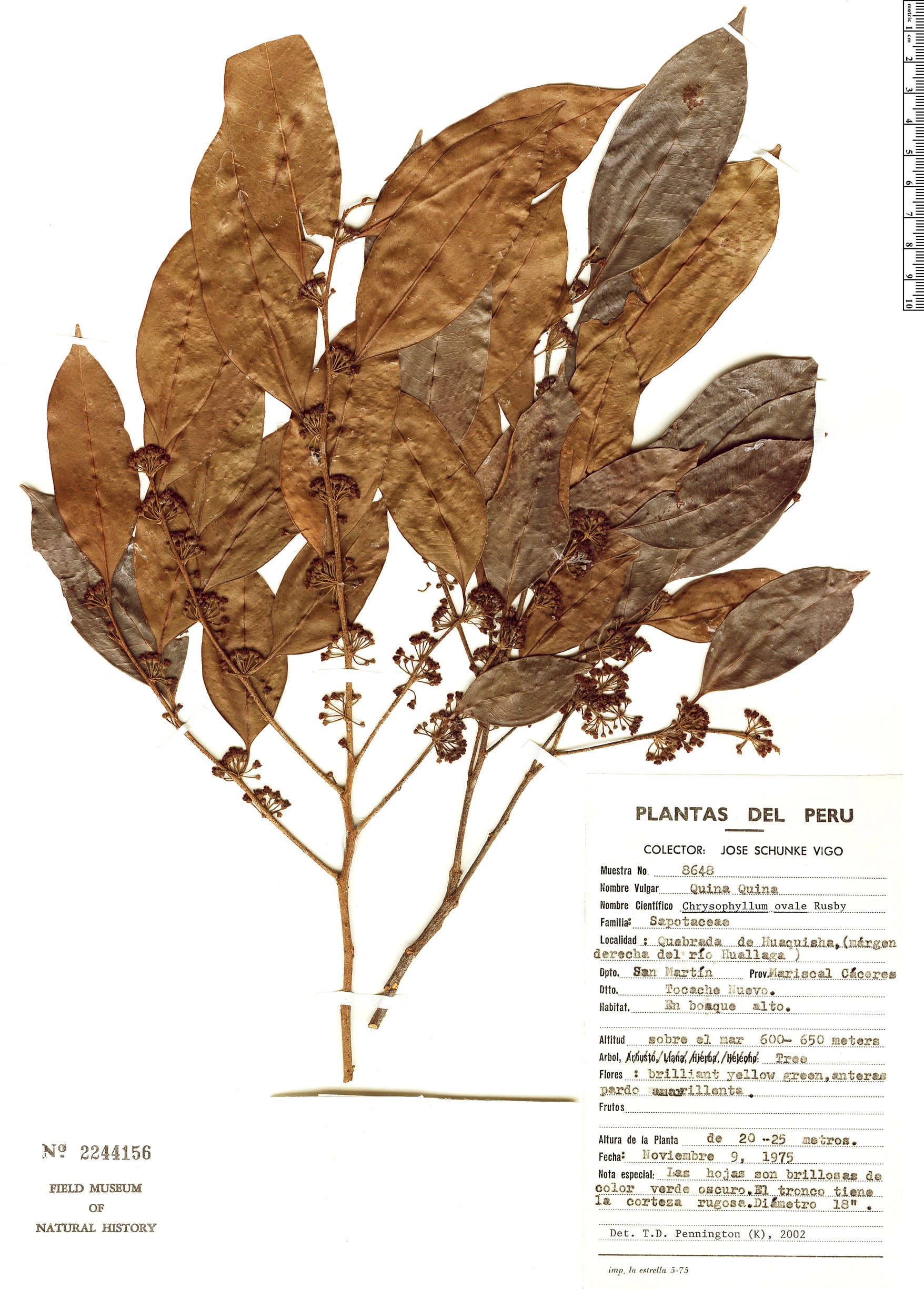
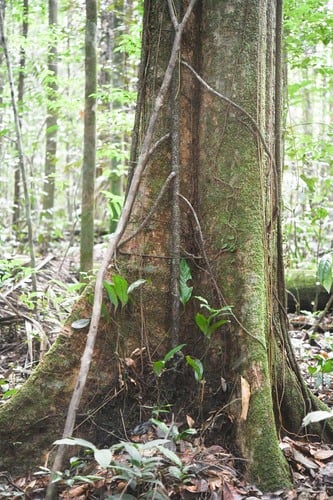
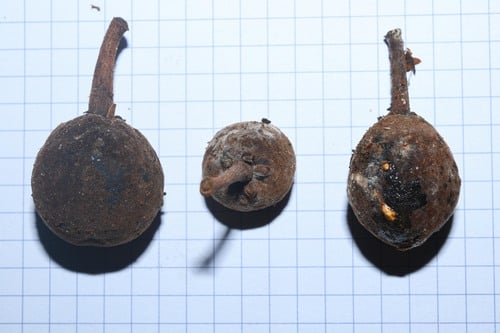
An evergreen tree. Young shoots have rusty hairs. The leaves are clustered and arranged in spirals. They are 9-43 cm long by 4-18 cm wide. The leaves are broadly oval with a slight tip at the end. Flowers are in groups of 1-8 in the axils of leaves or on the branches. The flowers do not have stalks and contain both sexes. The fruit are 4-5 cm long and oval. There is a single seed. This is 3 cm long.
Edible Uses
The fruit is edible.
Distribution
It is a tropical plant. It grows between 1,600-3,000 m above sea level. It grows in rainforest and cloud forest.
Where It Grows
Amazon, Andes, Bolivia, Colombia, Ecuador, Peru, South America*, Venezuela,
Also Known As
Arbol de sapo, Awe, Cacho, Kuniju pala ainki, Lechoso, Meningowe, Nispero, Nogowe, Ojo de buey, Palakukum, Panancuco, Pegowenka, Perejil, Piaste, Piaste negro, Titecahue, Urcu apiu
References (5)
- Duchelle, A. E., 2007, Observations on Natural Resource use and Conservation by the Shuar In Ecuador's Cordillera del Condor. Ethnobotany Research & Applications 5:005-023
- Grandtner, M. M. & Chevrette, J., 2013, Dictionary of Trees, Volume 2: South America: Nomenclature, Taxonomy and Ecology. Academic Press p 523
- Lopez-Diago, D. & Garcia, N., 2021, Wild edible fruits of Colombia. Biota ColomBiana 22 (2) p 51
- Roa, J. A. G. & Boada, D. S. G., 2018, Fundación para el Fortalecimiento de la Fruticultura y Plantas Alimenticias no Convencionales en Colombia.
- Torre, de la, L., et al, 2008, Enciclopedia de las Plantas Útiles del Ecuador. Herbario QCA. Pontificia Universidad Católica del Ecuador. p 571