Vitex trifolia
L.
Common blue vitex
wikimedia· cc-by-sa
Tauʻolunga (via Wikimedia Commons)
gbif· cc-by-nc
Penny Taylor
iNaturalist· cc-by-nc
(c) 羅元甫, some rights reserved (CC BY-NC), uploaded by 羅元甫
iNaturalist· cc-by-nc
(c) 羅元甫, some rights reserved (CC BY-NC), uploaded by 羅元甫
iNaturalist· cc-by-nc
(c) 羅元甫, some rights reserved (CC BY-NC), uploaded by 羅元甫
Summary
Source: WikipediaVitex trifolia, the simpleleaf chastetree, is a large coastal shrub or small tree.
Description
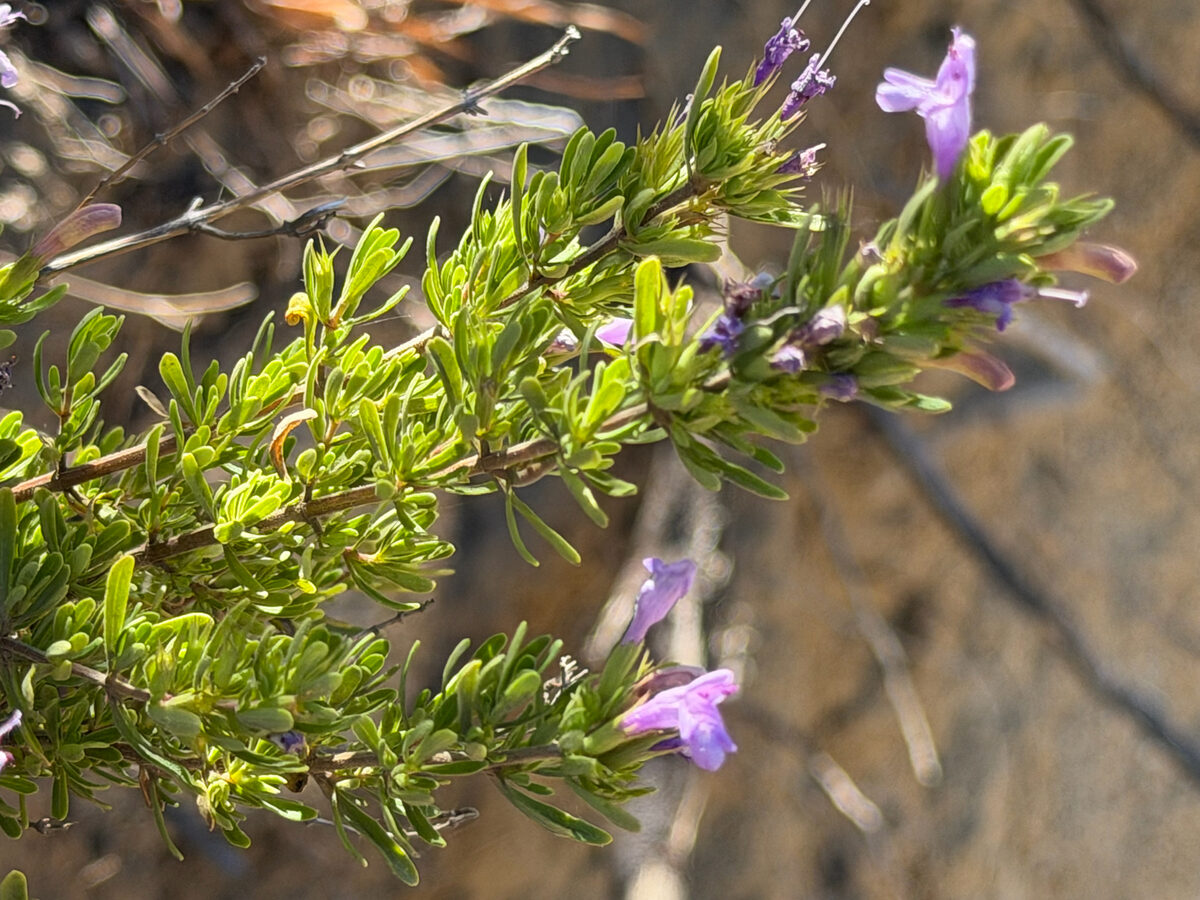
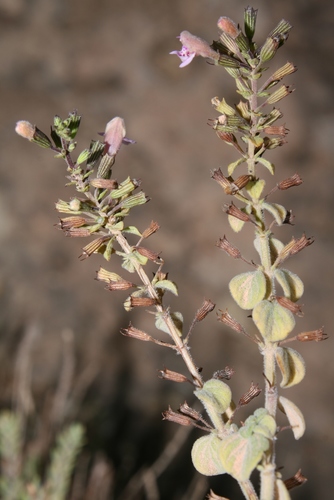
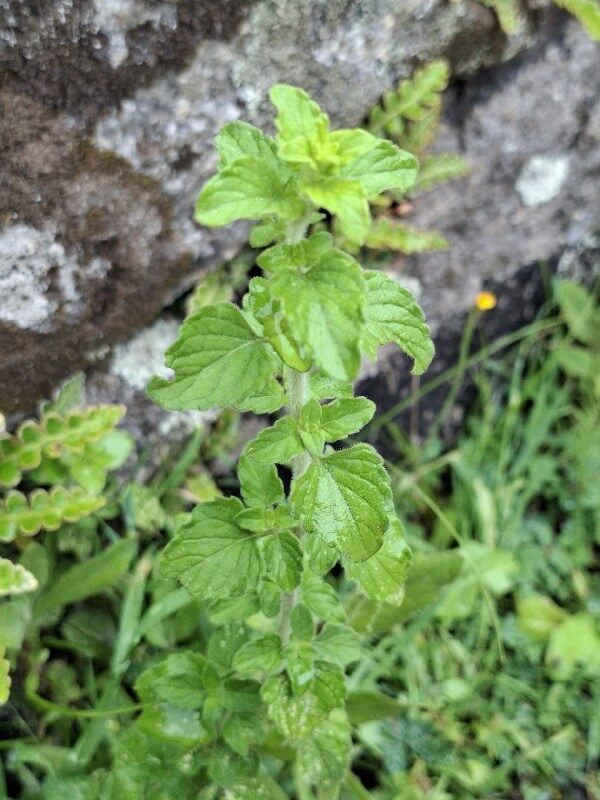
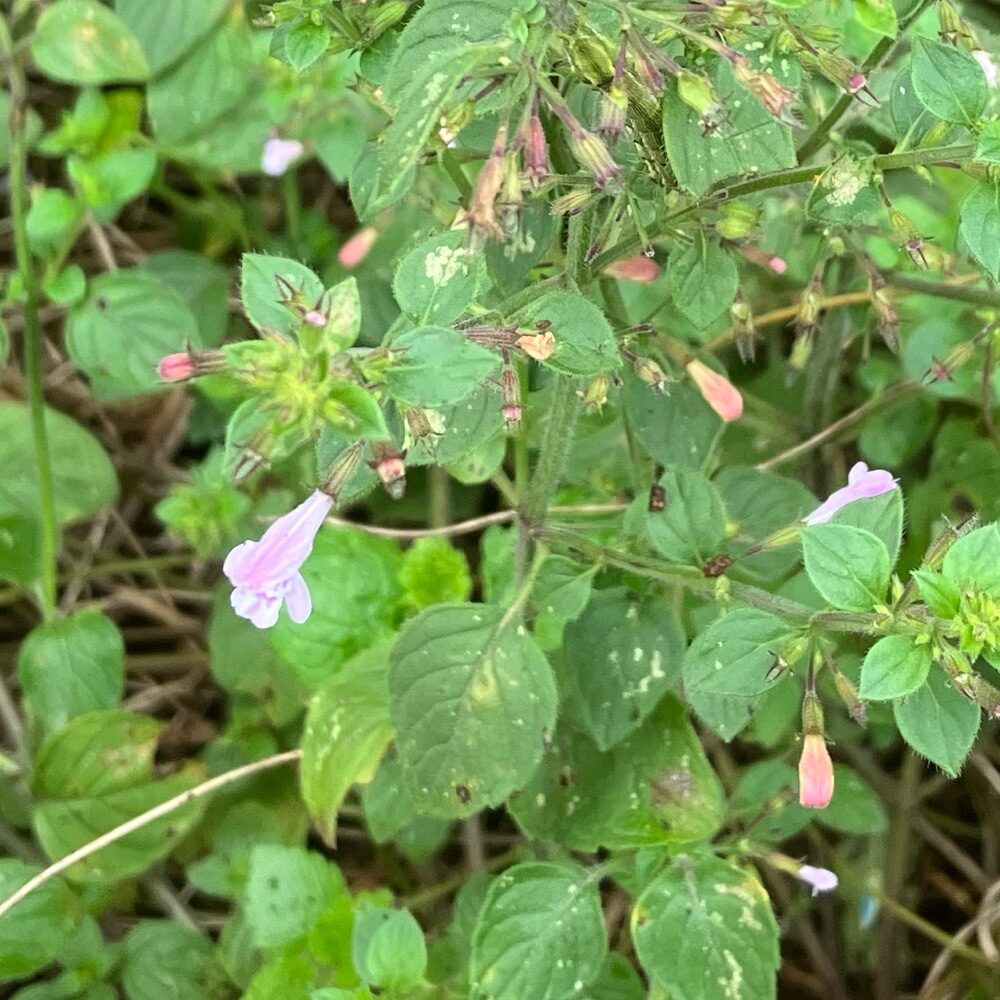
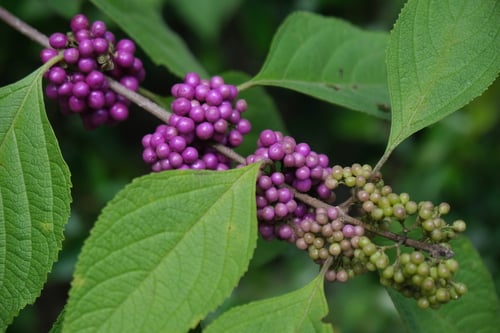
A large shrub or small tree. It can be 5 m tall. The stems are covered with soft hairs. The leaves are opposite along the stems. They have 3 leaflets. These can be 1-12 cm long. The leaves are green on the upper surface and greyish green underneath. The flowers are in clusters 18 cm long. The flowers are purple. The fruit are fleshy and 6 mm long. They contain 4 small black seeds.
Edible Uses
The leaves are eaten.
Medicinal Uses
The leaves are used to treat female ailments in the Cook Islands, and used to relieve fever in Samoa. Additionally in Samoa, the dried leaves are burned to deter mosquitos.
Known Hazards
The plant has been known to trigger various allergic reactions such as sneezing, respiratory problems, dizziness, headache and nausea.
Distribution
It is a tropical plant. It grows near the coast. In XTBG Yunnan.
Where It Grows
Afghanistan, Africa, Asia, Australia, China, Cook Islands, East Africa, East Timor, Fiji, India, Indochina, Indonesia, Japan, Kiribati, Laos, Madagascar, Malaysia, Marshall Islands, Mauritius, Micronesia, Mozambique, Myanmar, New Caledonia, Pacific, Palau, Papua New Guinea, PNG, Rotuma, Samoa, SE Asia, Sri Lanka, Taiwan, Thailand, Timor-Leste, Tonga, Tuvalu, Vanuatu, Wallis & Futuna, Yap,
Cultivation
Plants can be grown from seeds and cuttings.
Other Uses
The leaves contain 0.11 - 0.28% of an essential oil and a resin. The chief constituents of the oil are l-d pinene and camphene, which between them constitute 55% of the oil, there is also 10% terpinyl acetate and 20% of a diterpene alcohol. The flowers and seeds of the plant are used in the making of leis. The leaves are burned as an insect/mosquito repellent. Oils from the leaves show considerable mosquito repellent activity. The active principle has been identified as rotundinal, a cycloterpene aldehyde. The plant shows considerable potential as a botanical pesticide that may be applied both indoors and outdoors. The wood is used in light construction and for tools and axe handles. The wood is used for fuel. The plant is often used as a hedge, especially in Asia, although it may trigger various allergic reactions (sneezing, respiratory problems, dizziness, headache, nausea) to people trimming or pruning such hedges. The plant has been used to control erosion on sand dunes, which it does well within its native range. However, its ability to escape from cultivation, plus its negative effect upon some wildlife, makes it unsuitable for this purpose in other areas. The plant makes an excellent ground cover.
Notes
They are also used in medicine. Also put in the family Verbenaceae.
Synonyms
Also Known As
Galumi, Gattilier, Gendavasi, Gillieu, Igaowar, Kisechedui, Lagondi, Lagundi, Legundi, Namulega, Sangari, Simple leaf chaste tree, Tawe ate, Te kaitu, Three leaflet vitex, Utkonamnam
References (12)
- Anon., 2003, Native Plants for the Fitzroy basin. Society for Growing Australian Plants Inc. (Rockhampton Branch) p 76
- Bourret, D., 1981, Bonnes-Plantes de Nouvelle-Caledonie et des Loyaute. ORSTOM. p 83
- Cabalion, P. and Morat, P., 1983, Introduction le vegetation, la flore et aux noms vernaculaires de l'ile de Pentcoste (Vanuatu), In: Journal d'agriculture traditionnelle et de botanique appliquee JATBA Vol. 30, 3-4 (As Vitex trifolia var. bicolor)
- Cowie, I, 2006, A Survey of Flora and vegetation of the proposed Jaco-Tutuala-Lore National Park. Timor-Lests (East Timor) www.territorystories.nt/gov.au p 55
- http://www.ntbg.org/plants/plant details.php
Show all 12 references Hide references
- Liefting, A., et al, Samoan plant names. http://en.wikipedia.org
- Melzer, R. & Plumb, J., 2011, Plants of Capricornia. Belgamba, Rockhampton. p 155
- Samy, J., Sugumaran, M., Lee, K. L. W., 2009, Herbs of Malaysia, Marshall Cavendish. p 222
- Sukarya, D. G., (Ed.) 2013, 3,500 Plant Species of the Botanic Gardens of Indonesia. LIPI p 732
- Thaman, R. R., 1987, Plants of Kiribati: A listing and analysis of vernacular names. Atoll Research Bulletin No. 296
- Thaman, R. R, 2016, The flora of Tuvalu. Atoll Research Bulletin No. 611. Smithsonian Institute p 120
- World Checklist of Useful Plant Species 2020. Royal Botanic Gardens, Kew