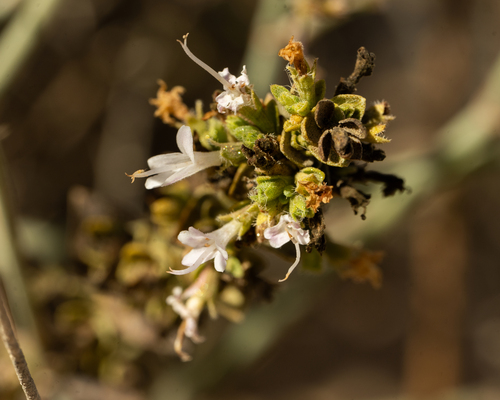
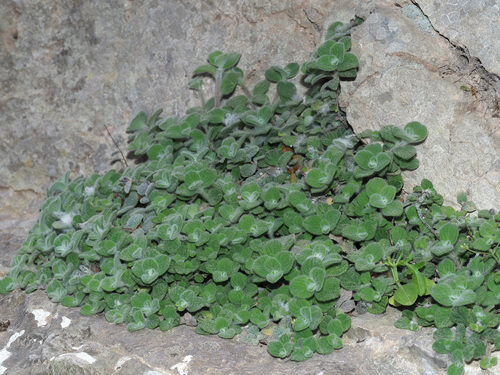
Calamintha incana
(Sm.) Hldr.
Grey moench
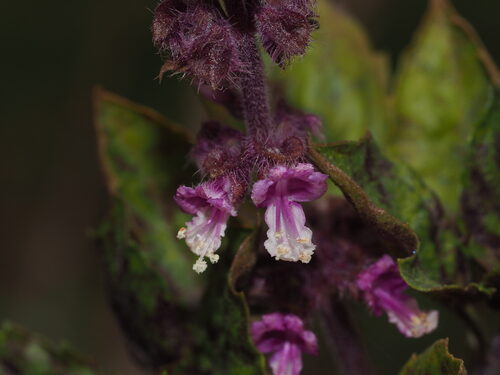
iNaturalist· cc-by-nc
(c) Errol Véla, some rights reserved (CC BY-NC)
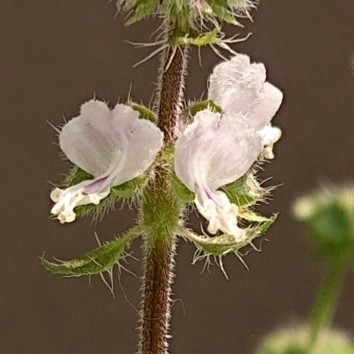
iNaturalist· cc-by-nc
(c) Errol Véla, some rights reserved (CC BY-NC)
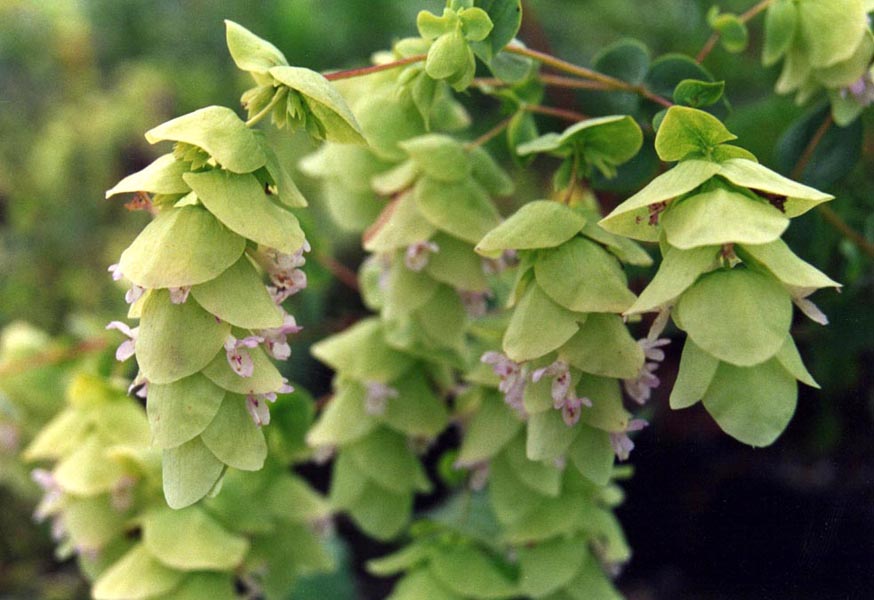
iNaturalist· cc-by-nc
(c) Errol Véla, some rights reserved (CC BY-NC)
Description
A Mediterranean herb in the mint family (Lamiaceae) with edible leaves and roots.
This description is brief — help expand it
Edible Uses
Fresh and dried leaves and shoots are eaten raw, used for seasoning, and brewed as a tea.
Traditional Uses
The fresh and dried leaves and shoots are eaten raw and also used for seasoning and as a tea.
This uses section is brief — help expand it
Distribution
It is a Mediterranean climate plant. In Melbourne Botanical gardens.
Where It Grows
Africa, Australia, Cyprus, Jordan, Libya, Mediterranean, Middle East, North Africa,
Notes
Possibly now Clinopodium insulare (Candargy) Govaerts
Also Known As
Dere nanesi, Krainieh, Yabani nane, Za'tar balat, Za'tman
References (5)
- Al-Qura'n, S. A., 2010, Ethnobotanical and Ecological Studies of Wild Edible Plants in Jordan. Libyan Agriculture Research Center Journal International 1(4):231-243
- Ciftcioglu, C. G., 2015, Sustainable wild-collection of medicinal and edible plants in Lefke region of North Cyprus. Agroforest Syst. Springer
- Mahklouf, M. H., 2019, Ethnobotanical Study of Edible Wild Plants in Libya. European Journal of Ecology. 5(2): 30-40
- Oran, S. A. S., 2015, Selected Wild Aromatic Plants in Jordan. International Journal of Medicinal Plants. Photon 108 (2015) 686-699
- Tukan, S. K., et al, 1998, The use of wild edible plants in the Jordanian diet. International Journal of Food Sciences and Nutrition. 49:225-235