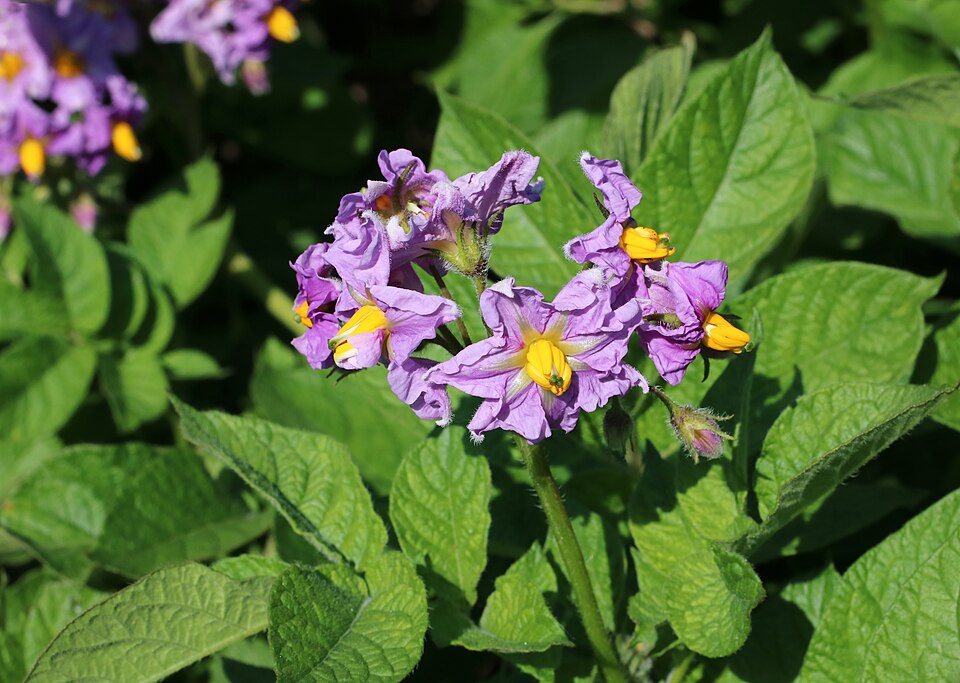
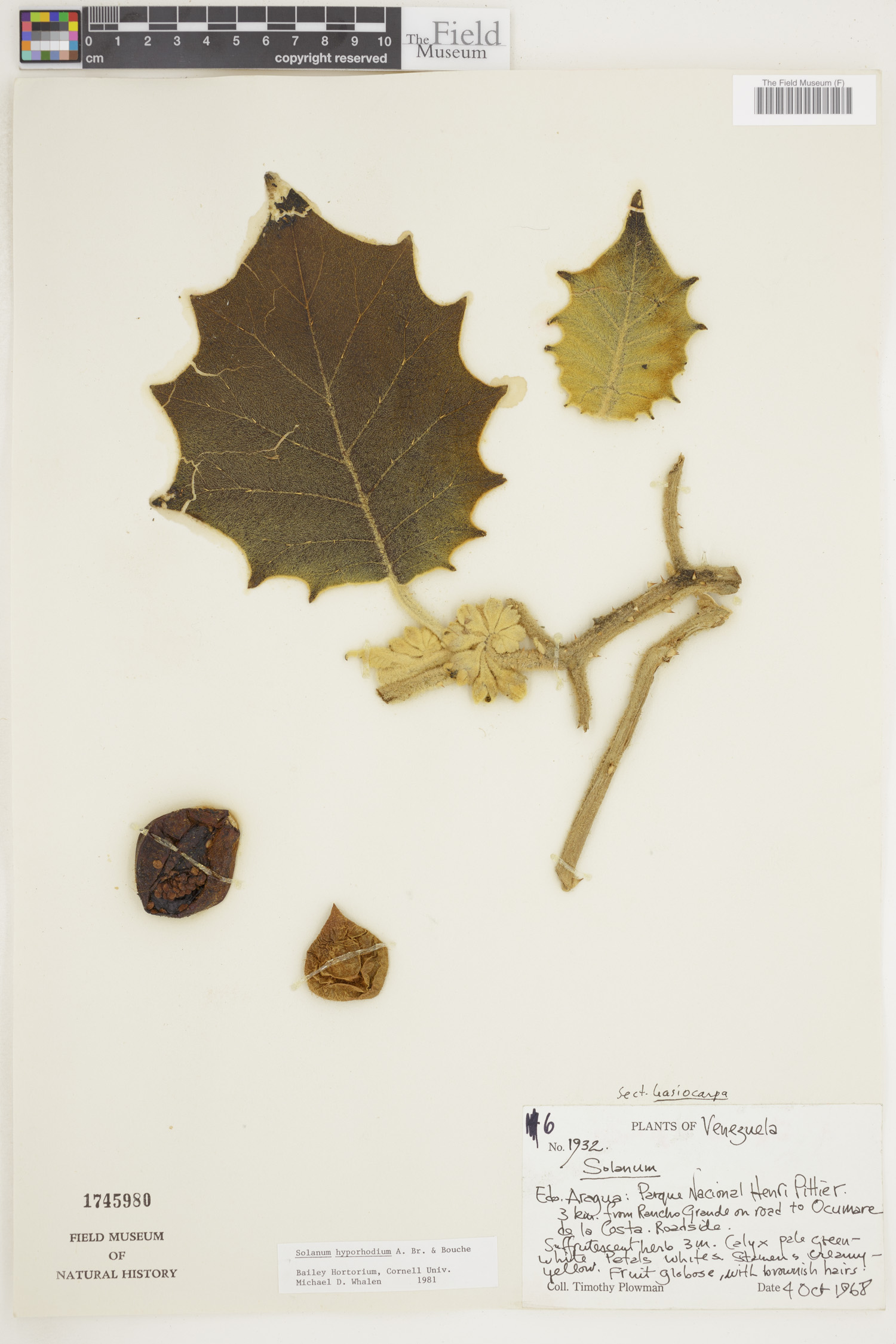
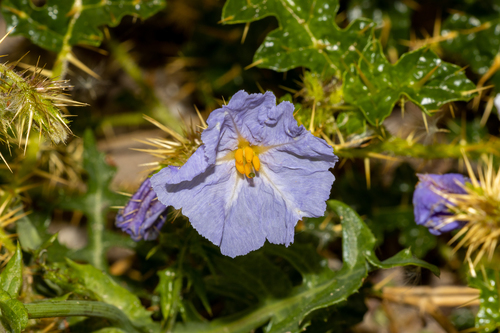
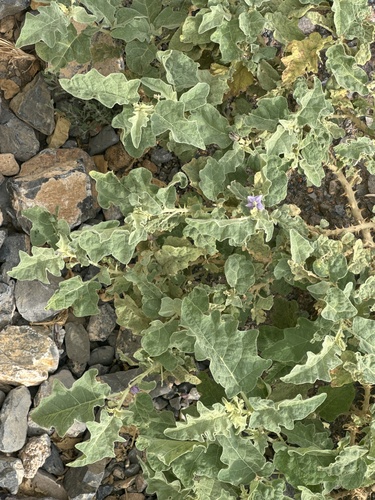
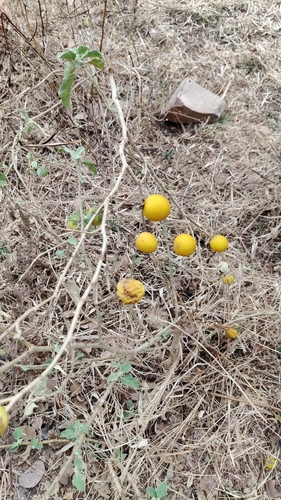
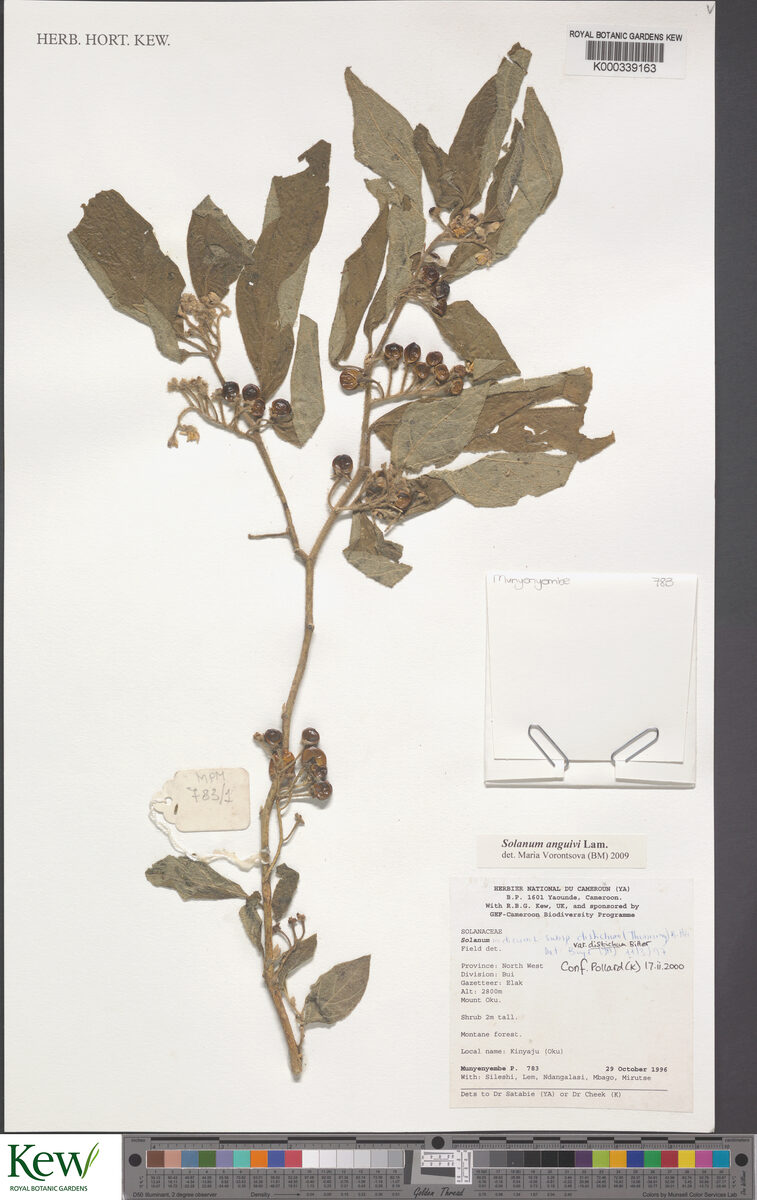
Hyoscyamus muticus
L.
iNaturalist· cc-by-nc
(c) vivek572, some rights reserved (CC BY-NC)
iNaturalist· cc-by-sa
(c) purperlibel, some rights reserved (CC BY-SA), uploaded by purperlibel
iNaturalist· cc-by-nc
(c) Karol Wałach, some rights reserved (CC BY-NC), uploaded by Karol Wałach
Summary
Source: WikipediaHyoscyamus muticus, the Egyptian henbane, is a shrub in the family of Solanaceae that is native to desert areas of North Africa. It contains alkaloids that are useful in pharmaceuticals. It is used locally as a painkiller and a recreational drug. In high dosages it can be fatal.
Description
A shining succulent herb in the nightshade family (Solanaceae) growing to about 80 cm tall, native to tropical sandy and rocky sites in the Sahel region of West Africa and capable of growing in arid environments.
Edible Uses
The seeds are roasted and used for the manufacture of an intoxicating drink.
Medicinal Uses
Fresh leaves are applied as a poultice to relieve pain. Dried leaves are smoked in cigarettes to treat asthma but also for their intoxicating effect. The leaves have a high alkaloid content, with up to 5.2% of dry matter in individual plants. In smaller amounts, alkaloids are also present in the roots and stems. The major alkaloid is hyoscyamine, but scopolamine, tigloidine and tropine are also present. Scopolamine content is of interest to the pharmaceutical industry. In general the level of scopolamine is low in leaves, as low as 0.02%, but in the 'Cairo' strain, the scopolamine content of the leaves can exceed 4%. Atropine (a racemic mixture of d- and l-hyoscyamine) and scopolamine are used in ophthalmology as an analgesic, and scopolamine is used to cure or prevent motion sickness. These tropane alkaloids are classified as anticholinergics as they bind to acetylcholine receptors. In-vitro production of hyoscyamine and scopolamine is feasible but is not economical. The seed oil contains considerable quantities of sterols (about 11.6 g/kg) and tocopherols (about 2.9 g/kg) and is thought to be of medicinal interest.
Known Hazards
This plant is in the Solanaceae family, which contains toxic species; verify safety before consumption.
Distribution
It is a tropical plant. It grows in sandy rocky sites in the Sahel in West Africa. It can grow in arid places.
Where It Grows
Africa, Mali, Mauritania, Mediterranean, Morocco, Nigeria, North Africa, Sahel, West Africa,
Cultivation
A plant of the drier tropics and subtropics. Spacing for optimal leaf production and alkaloid yield is about 45 cm between rows and 15 cm in the rows. When grown for the alkaloids, the plant should be harvested about 3 weeks after the beginning of flowering when the first fruits are ripe. After that time the alkaloid yield will drop, although the plant yield will still increase. In Sudan the summer crop is harvested after about 145 days, the winter crop after 190 days. Yields about 2 t/ha of dry plant material and 20 - 30 kg/ha of alkaloids have been obtained in Africa.
Propagation
Seed. Direct sowing is recommended. Germination has been reported as erratic and troublesome, but treatment of the seeds with concentrated sulphuric acid for 75 seconds, fluctuating temperatures between day and night and the use of kinetin (60 mg/l) all promote germination.
Synonyms
Also Known As
Bettina, Bugzaina, Falezlez, Gungot, Labtin
References (3)
- Burkill, H. M., 1985, The useful plants of west tropical Africa, Vol. 5. Kew.
- Nassif, F., & Tanji, A., 2013, Gathered food plants in Morocco: The long forgotten species in Ethnobotanical Research. Life Science Leaflets 3:17-54 (As subsp. falezlez)
- World Checklist of Useful Plant Species 2020. Royal Botanic Gardens, Kew