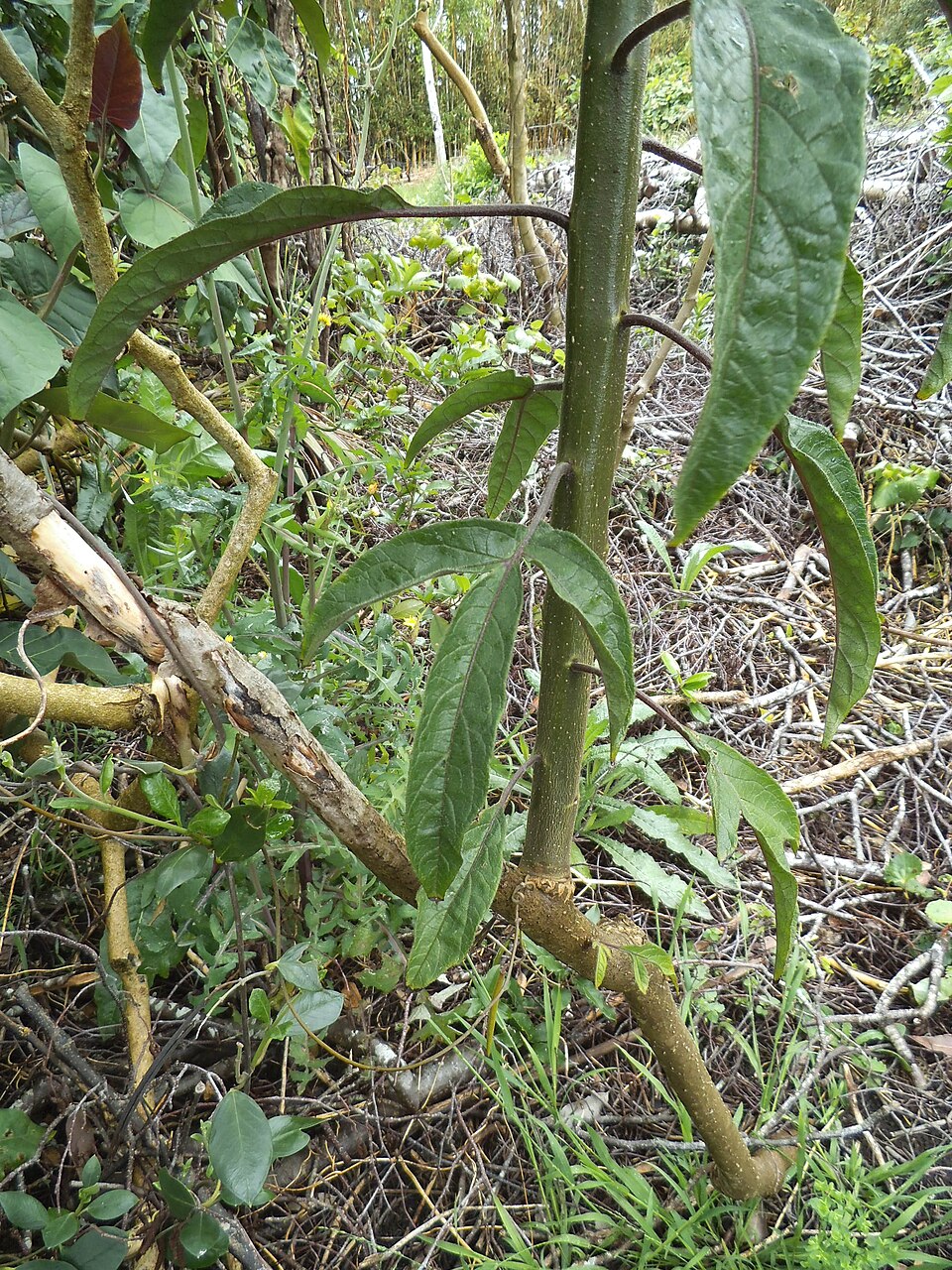
Hyoscyamus albus
L.
White henbane
iNaturalist· cc-by-nc
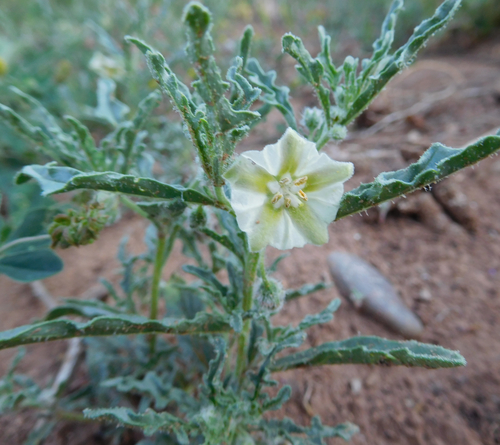
(c) Sara Fonseca, some rights reserved (CC BY-NC), uploaded by Sara Fonseca
iNaturalist· cc-by
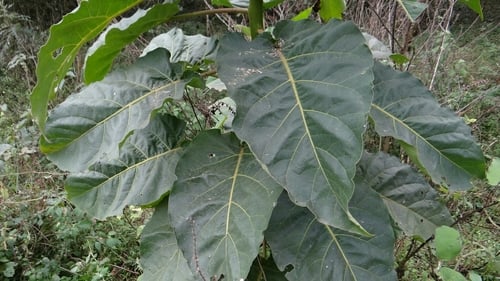
(c) John Lyden, some rights reserved (CC BY), uploaded by John Lyden
iNaturalist· cc-by-nc
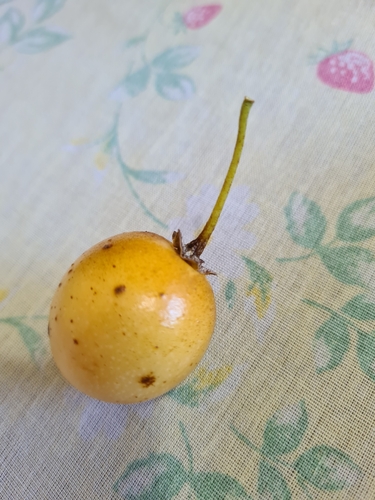
(c) Σάββας Ζαφειρίου (Savvas Zafeiriou), some rights reserved (CC BY-NC), uploaded by Σάββας Ζαφειρίου (Savvas Zafeiriou)
Summary
Source: WikipediaHyoscyamus albus, the white henbane or yellow henbane, is a plant in the family of Solanaceae. It is native to Southern Europe, North Africa, West Asia and Macaronesia.
Description
Hyoscyamus albus is an annual or biennial reaching 0.9 m tall. Hardy to UK zone 7. Hermaphrodite flowers. Tolerates light, medium, and heavy well-drained soils across mildly acidic to very alkaline pH ranges. Requires full sun and adapts to dry or moist soil.
Edible Uses
None known.
Traditional Uses
CAUTION: All parts of the plant are very poisonous.
This uses section is brief — help expand it
Medicinal Uses
Henbane has a long history of medicinal use and is cultivated to meet demand. It is used extensively as a sedative and painkiller, particularly for pain affecting the urinary tract, especially that caused by kidney stones. Its sedative and antispasmodic properties make it a valuable treatment for Parkinson's disease symptoms, relieving tremor and rigidity in the early stages. This species is generally considered best for internal use, while black henbane (H. niger) is more commonly used externally. All parts of the plant, especially the leaves and seeds, are anodyne, antispasmodic, mildly diuretic, hallucinogenic, hypnotic, mydriatic, narcotic, and sedative. It is used internally for asthma, whooping cough, motion sickness, Meniere's syndrome, tremor associated with senility or paralysis, and as a pre-operative medication. Henbane reduces mucous secretions as well as saliva and other digestive juices. Externally, it is applied as an oil to relieve neuralgia, dental pain, and rheumatic pain. Leaves are harvested when the plant is in full flower and dried for later use. The seed is used to treat asthma, cough, epilepsy, myalgia, and toothache. This is a very poisonous plant that should be used with great caution and only under the supervision of a qualified practitioner.
Known Hazards
Very poisonous plant requiring use only under qualified practitioner supervision.
Distribution
It is a temperate plant.
Where It Grows
Australia, Europe, Slovenia, Tasmania, Turkey, Türkiye,
Cultivation
Prefers a hot dry position in a wall or rock crevice. Succeeds in a well-drained fertile soil, preferably of an alkaline nature, in full sun. Grows well in maritime areas. Plants are possibly hardy to about -10°c, they are unlikely to succeed in the colder areas of Britain. Self-sows freely, it can be grown in wild informal areas of the garden.
Propagation
Seed is best sown as soon as ripe, as older seed rapidly loses viability. Sow in situ or pot up seedlings while still small, as plants develop a long taproot and older plants resent root disturbance.
Other Uses
None known.
Notes
There are 20 Hyoscyamus species.
Synonyms
Also Known As
Akbanotu
References (3)
- Ertug, F., 2004, Wild Edible Plants of the Bodrum Area. (Mugla, Turkey). Turk. J. Bot. 28 (2004): 161-174
- Ertug, F, Yenen Bitkiler. Resimli Türkiye Florası -I- Flora of Turkey - Ethnobotany supplement
- Tasmanian Herbarium Vascular Plants list p 55