Manilkara sansibarensis
(Engl.) Dubard
gbif· cc-by-nc-sa
MBG
gbif· cc-by-nc-sa
MBG
gbif· cc-by
Royal Botanic Gardens, Kew
Description
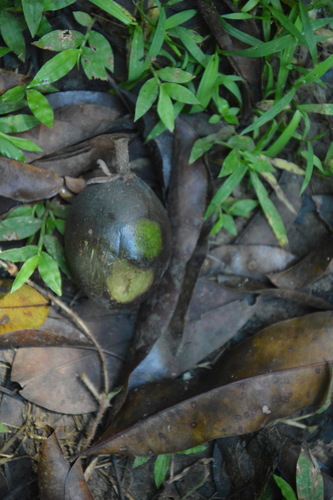
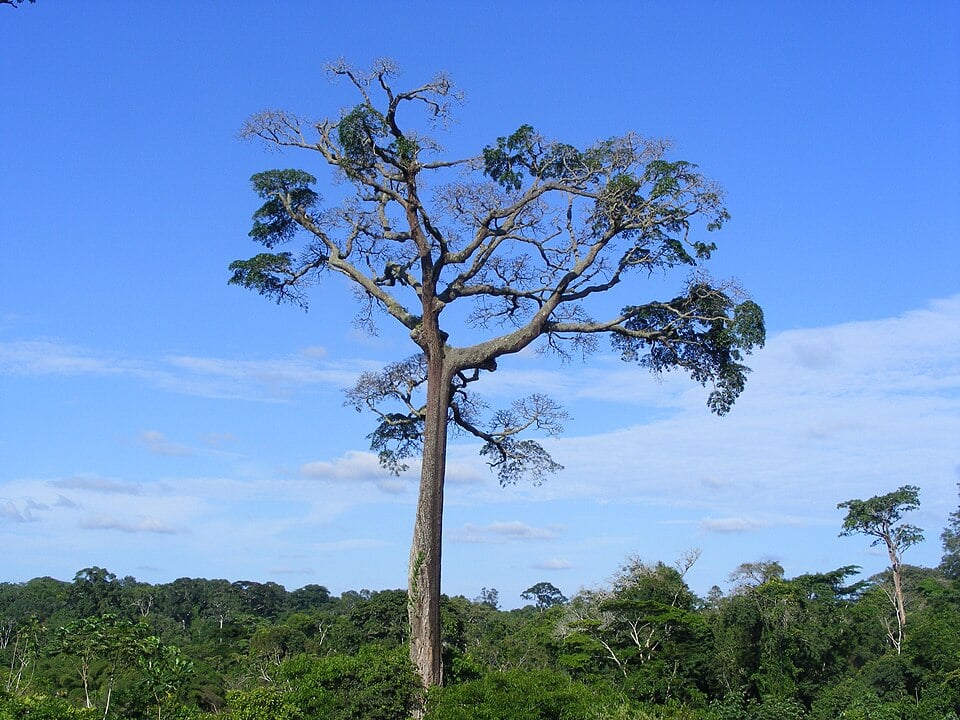
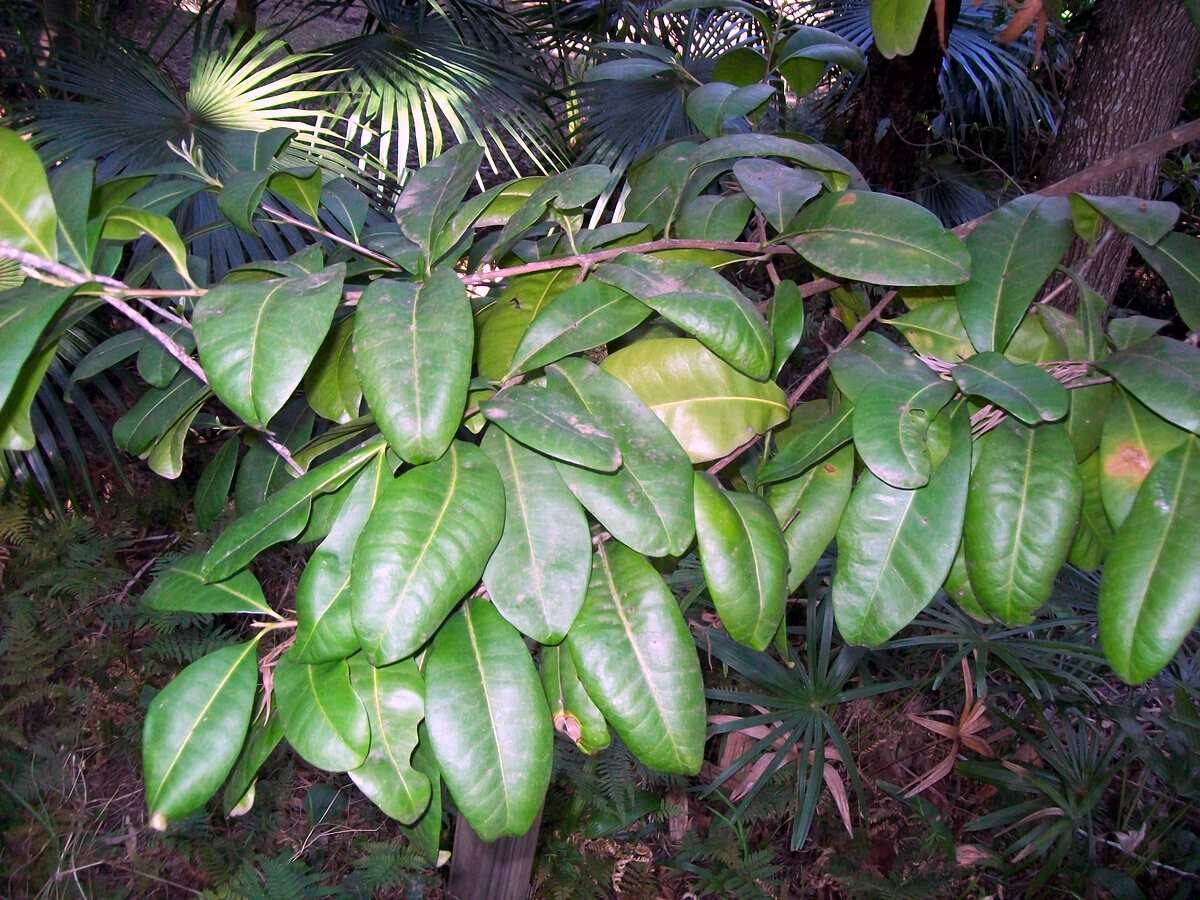
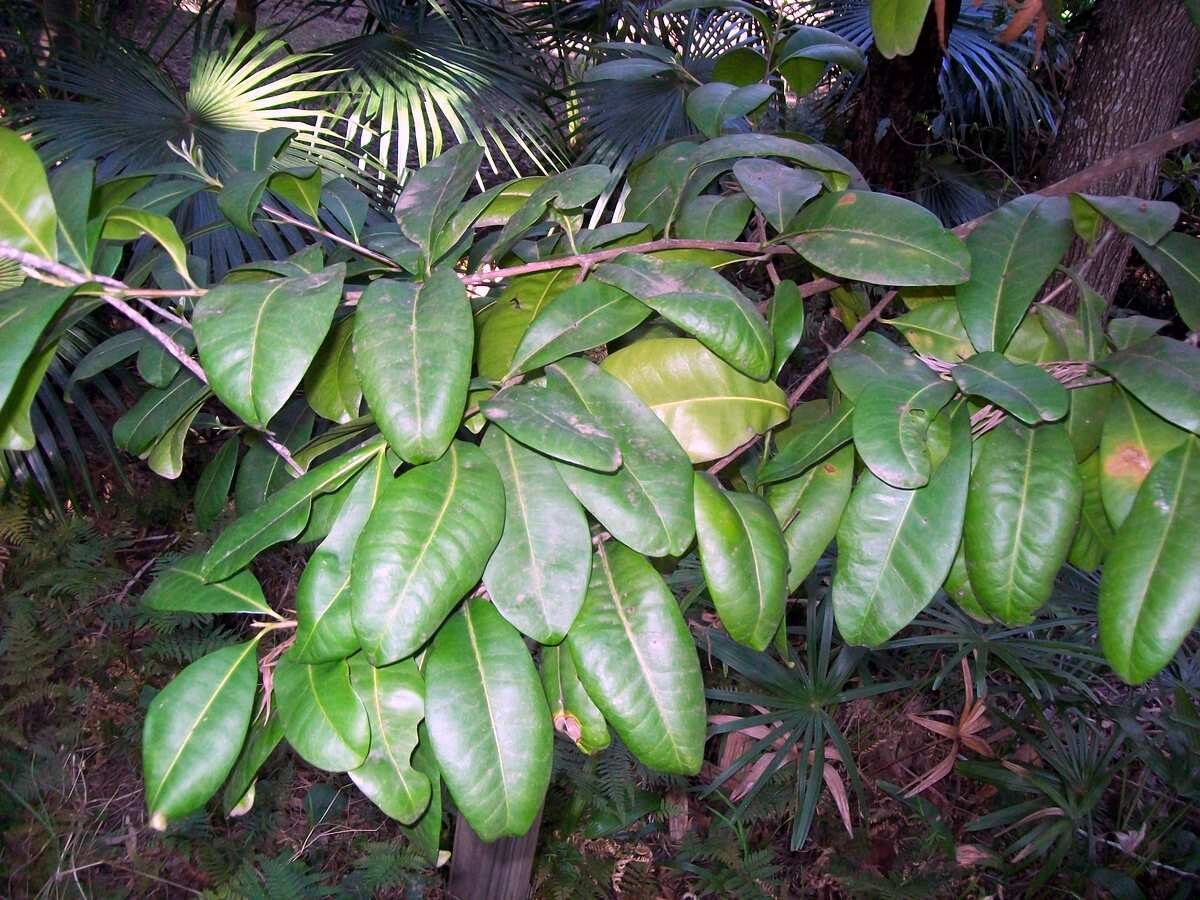
An evergreen tree. It grows 5-10 m tall. The crown is dense. The bark is grey to black and cracked. The leaves are oval and dark green. The flowers are cream. They are in clusters in the axils of leaves. The fruit are oval and 1.8 cm long.
Edible Uses
Fruit - raw. The sweet pulp is eaten as a snack, whilst the seeds are discarded. The tough, round or oval berries are up to 13mm in diameter, containing 1 - 4 shiny flat seeds.
Traditional Uses
The ripe fruit are eaten. They have a sweet milky pulp. The seeds are discarded.
This uses section is brief — help expand it
Medicinal Uses
The bark is used to treat pneumonia. The roots are used to treat VD and constipation.
Distribution
It is a tropical plant. It grows in the lowlands. In Kenya it grows in coastal woodland from sea level to 300 m altitude. It grows on deep coastal red soils. It can grow in arid places.
Where It Grows
Africa, East Africa, Kenya, Mozambique, Tanzania,
Cultivation
Plants are grown from seeds.
Other Uses
The wood is used for timber, handles and domestic utensils.
Production
In Tanzania the fruit are collected from September to December.
Other Information
It is an important food plant.
Synonyms
Also Known As
Dhoka, Mkunya, Mshezimbago, Mung'ambo
References (7)
- East African Herbarium records, 1981, (As Manilkara cuneifolia and Mimusops cuneifolia)
- Maundu, P. et al, 1999, Traditional Food Plants of Kenya. National Museum of Kenya. 288p
- Mutie, F. M., et al, 2023, Important Medicinal and Food Taxa (Orders and Families) in Kenya, Based on Three Quantitative Approaches. Plants 2023, 12, 1145
- Peters, C. R., O'Brien, E. M., and Drummond, R.B., 1992, Edible Wild plants of Sub-saharan Africa. Kew. p 183
- Royal Botanic Gardens, Kew (1999). Survey of Economic Plants for Arid and Semi-Arid Lands (SEPASAL) database. Published on the Internet; http://www.rbgkew.org.uk/ceb/sepasal/internet [Accessed 10th June 2011]
Show all 7 references Hide references
- Ruffo, C. K., Birnie, A. & Tengnas, B., 2002, Edible Wild Plants of Tanzania. RELMA p 456
- World Checklist of Useful Plant Species 2020. Royal Botanic Gardens, Kew