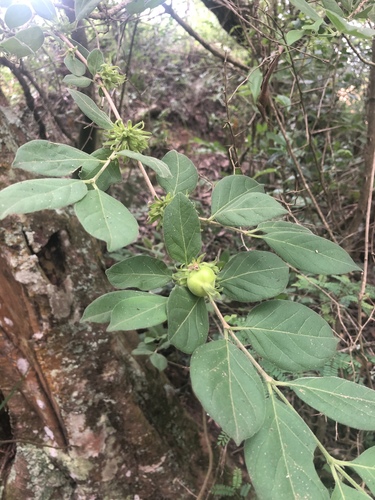
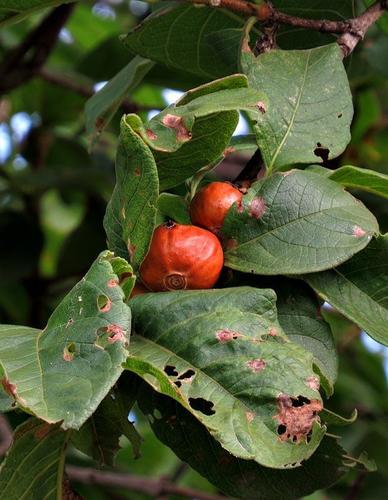
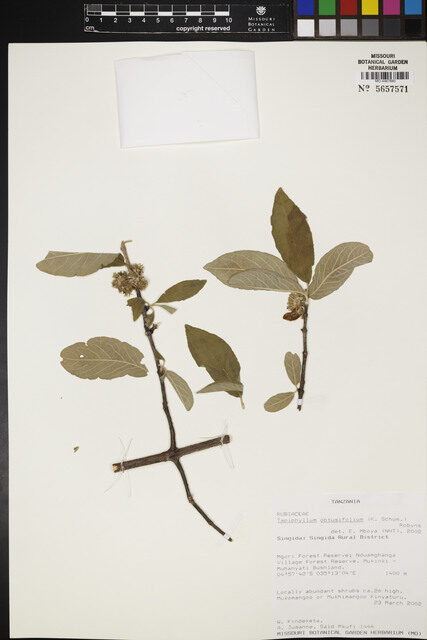
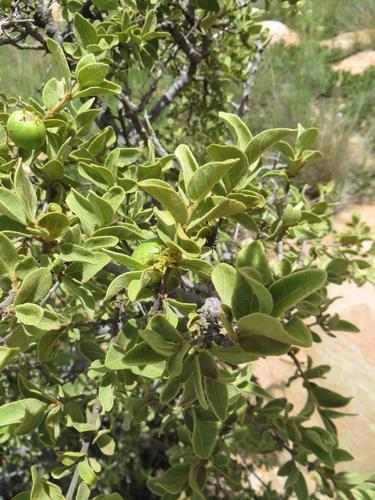
Rytigynia neglecta
(Hiern) Robyns
iNaturalist· cc-by-nc
(c) Christian Gilli, some rights reserved (CC BY-NC), uploaded by Christian Gilli
Description
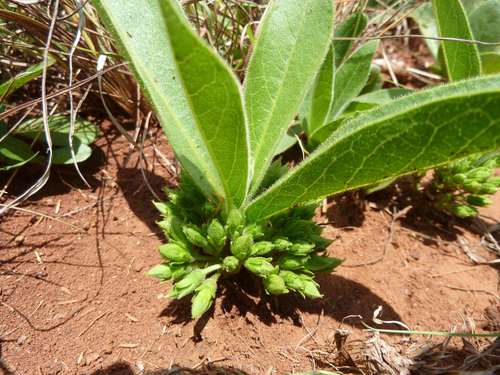
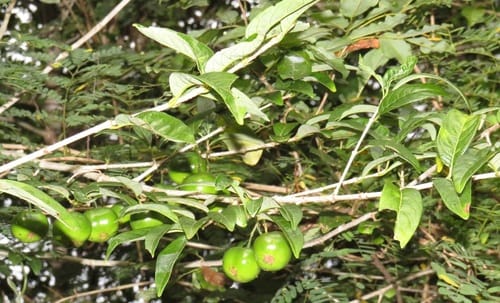
A deciduous tree about 5 m tall with greenish-white flowers, native to tropical mountainforests of Africa.
This description is brief — help expand it
Edible Uses
The ripe fruits are eaten raw.
Traditional Uses
The ripe fruit are eaten raw.
This uses section is brief — help expand it
Distribution
It is a tropical plant. It grows in mountainforest.
Where It Grows
Africa, Cameroon, Congo DR, East Africa, Ethiopia, Kenya, Mozambique, Tanzania, Uganda, Mozambique,
Notes
There are 50 Rytigynia species. They are in tropical Africa and are all deciduous.
Synonyms
Canthium neglectum Hiern.Plectronia neglecta (Hiern) K. Schum. ex Engl.
Also Known As
Epodo, Metagure, Miqee, Mitto
References (8)
- Demise, S. & Asfaw, Z., 2020, Ethno Botanical Study of Wild Edible Plants in Adola District, Southern, Ethiopia. International Journal of Research and Analytical Reviews (IJRAR) 7(2).
- East African Herbarium records, 1981,
- Emire, A., et al, 2021, Ethnobotanical Study of Wild Edible Fruit Tree and Shrub Species in Adola Rede and Odo Shakiso Midland Districts of Guji Zone, Southern Ethiopia. Int. J. Adv. Res. Biol. Sci. (2021). 8(12): 96-109
- Goode, P., 1989, Edible Plants of Uganda. FAO p 30
- Lulekal, E., et al, 2011, Wild edible plants in Ethiopia: a review on their potential to combat food insecurity. Afrika Focus - Vol. 24, No 2. pp 71-121
Show all 8 references Hide references
- Ojelel, S., et al, 2019, Wild edible plants used by communities in and around selected forest reserves of Teso-Karamoja region, Uganda. Journal of Ethnobiology and Ethnomedicine (2019) 15:3
- Peters, C. R., O'Brien, E. M., and Drummond, R.B., 1992, Edible Wild plants of Sub-saharan Africa. Kew. p 175
- Seyoum, Y., et al, 2015, Edible Wild Fruit Trees and Shrubs and Their Socioeconomic Significance in Central Ethiopia. Ethnobotany Research & Applications. 14:183-197