Brassica napus
L.
Canola
iNaturalist· cc-by
(c) Pavel Kacl, some rights reserved (CC BY), uploaded by Pavel Kacl
gbif· cc-by-nc
olmagon
iNaturalist· cc-by-nc-sa
(c) Marcello Consolo, some rights reserved (CC BY-NC-SA)
iNaturalist· cc-by-nc
(c) Misha Zitser, some rights reserved (CC BY-NC), uploaded by Misha Zitser
Summary
Source: WikipediaAn annual or biennial growing to 1.2 m tall, hardy to UK zone 7. Flowers May to August. Hermaphrodite, bee-pollinated and self-fertile. Adapts to light sandy, medium loamy, and heavy clay soils with good drainage, tolerating very acid to very alkaline pH. Grows in semi-shade or full sun, prefers moist soil.
Description
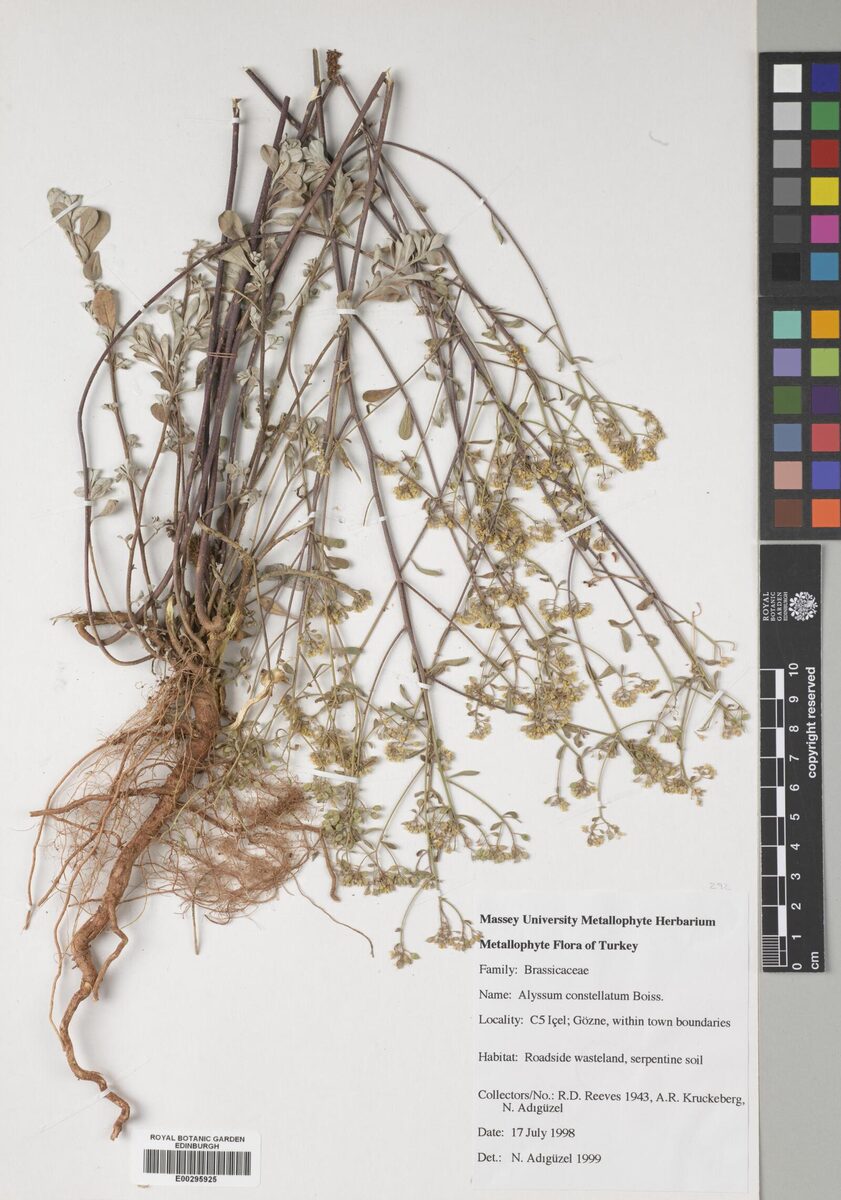
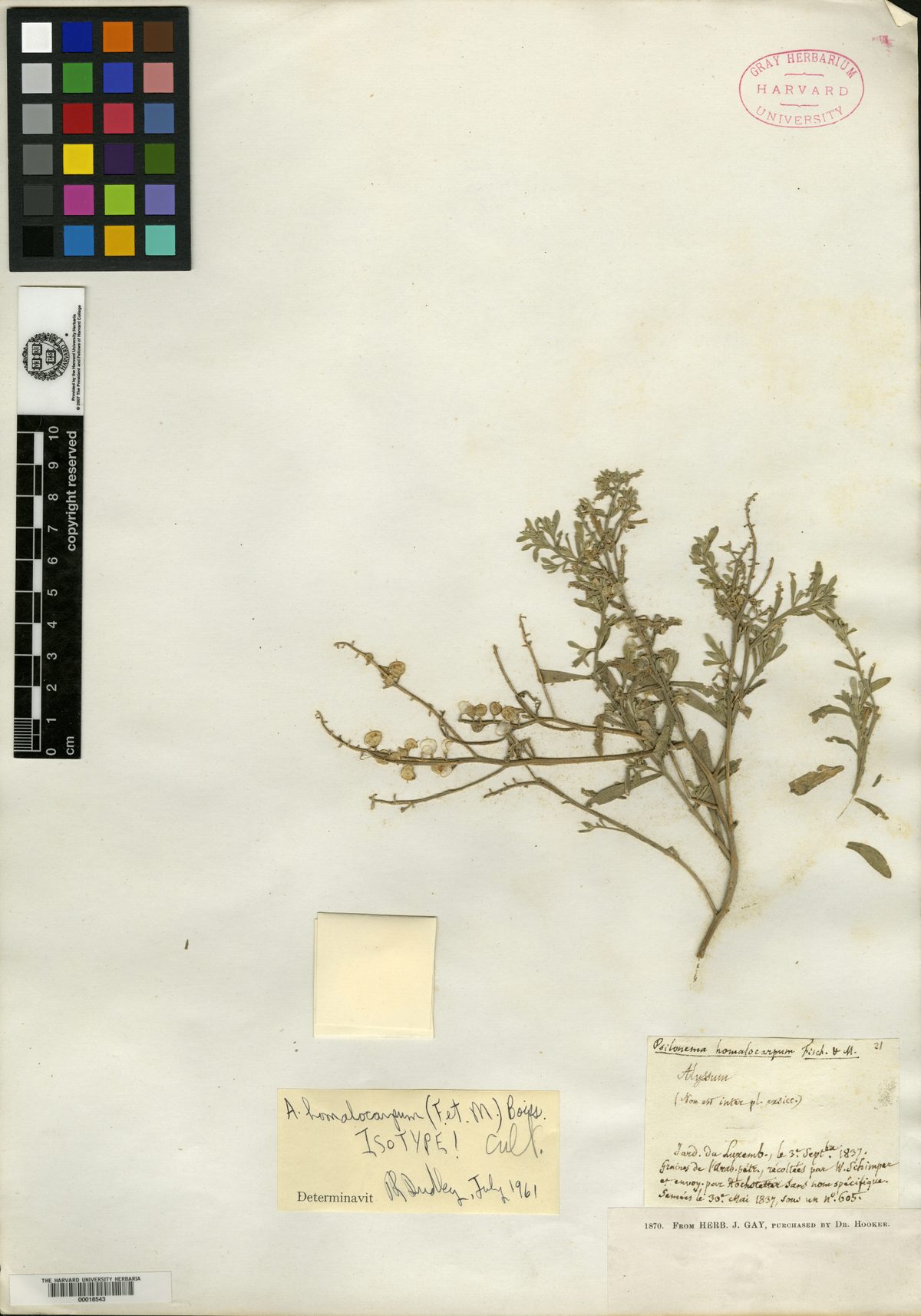
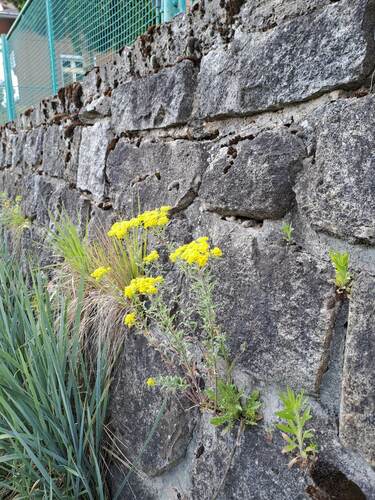
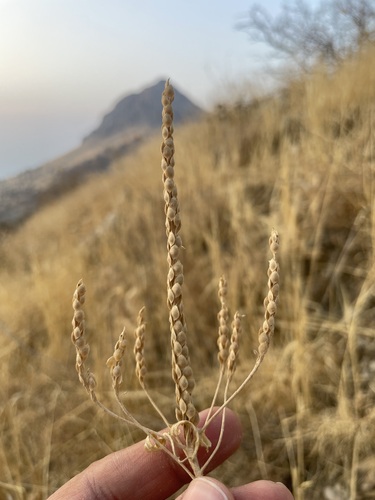
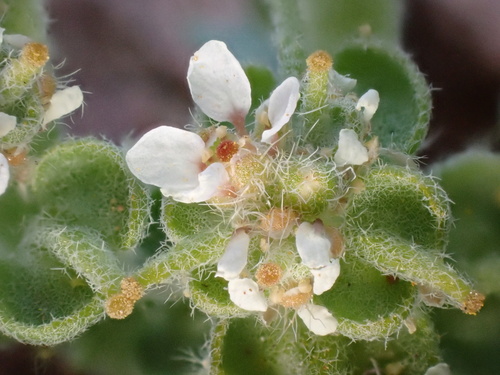
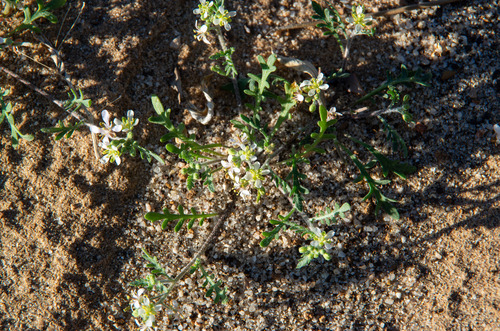
A cabbage family herb. It is an annual plant. It grows 1.5 m tall. It usually has a strong taproot. The stem is erect. The leaves have blue-green colour. The lower leaves have leaf stalks. The leaf blade is 5-20 cm long. The veins have some bristles. The upper leaves clasp the stem. Its blade is oblong or sword shaped. The petals are pale yellow. The pod is 5-10 cm long and slightly 4 angled. There is a beak 5-20 mm long which does not have seeds. The seeds are 1.5-2.5 mm wide. They are blue-black.
Edible Uses
Edible Parts: Leaves Oil Oil Seed Stem Edible Uses: Condiment Oil Oil Leaves - raw or cooked. Added to salads or used as a potherb. The leaves are also fermented for later use. Immature flowering stems - cooked in much the same way as broccoli. An edible oil is obtained from the seed, it is used mainly for cooking purposes, but can also be used raw in salad dressings. Some caution is advised, however, see the notes above on toxicity. The sprouted seed is often used as the mustard part of mustard and cress. Eaten in salads. The seed is used as a mustard flavouring.
Traditional Uses
The seeds yield an edible oil. The leaves are cooked and eaten. The flower can be used like broccoli. The seeds can be sprouted and eaten in salads.
Medicinal Uses
Diuretic Emollient The root is emollient and diuretic. The juice of the roots is used in the treatment of chronic coughs and bronchial catarrh. The seed, powdered, with salt is said to be a folk remedy for cancer. Rape oil is used in massage and oil baths, it is believed to strengthen the skin and keep it cool and healthy. With camphor it is applied as a remedy for rheumatism and stiff joints. It is dropped into the ear to relieve earaches.
Known Hazards
The oil contained in the seed of some varieties of this species can be rich in erucic acid which is toxic. However, modern cultivars have been selected which are almost free of erucic acid.
Distribution
It is a warm temperate to subtropical plant. In Argentina it grows up to 1,500 m above sea level. It suits hardiness zones 8-11. Tasmania Herbarium.
Where It Grows
Africa, Andorra, Argentina, Armenia, Asia, Australia, Bangladesh, Britain, Canada, Central America, Central Asia, Chile, China, Czech, Denmark, Dominican Republic, Ecuador, Europe, France, Germany, Gibraltar, Haiti, Hungary, India, Indochina, Italy, Korea, Kyrgyzstan, Madagascar, Mediterranean, Myanmar, Nepal, Norfolk Island, Northeastern India, Pakistan, Poland, Scandinavia, SE Asia, Slovakia, Slovenia, South Africa, Southern Africa, South America, Sweden, Tasmania, Thailand, West Indies, Zimbabwe,
Cultivation
Succeeds in full sun in a well-drained fertile preferably alkaline soil. Succeeds in any reasonable soil. Prefers a heavy soil and cool moist conditions. Sunny days and cool nights are favourable for plant growth whilst dry weather at harvest time is essential. Colza is reported to tolerate an annual precipitation of 30 to 280cm, an annual average temperature range of 5 to 27°C and a pH in the range of 4.2 to 8.2. Very young plants are susceptible to cold damage, -4°C either killing or injuring seedlings, whereas -2°C has no affect when the plants are more than one month old. Brassica napus is an aggregate species, probably derived through cultivation. It is thought that crosses of Brassica oleracea subsp. oleracea with B. rapa gave rise to the subsp. B. napus pabularia, from which subsp. napus and subsp. rapifera and other cvs were derived. The aggregate species includes forms with swollen edible roots (B. napus napobrassica, the garden swede), forms grown for their oil-rich seeds (B. napus napus, the oilseed rape), forms grown for their edible leaves (B. napus pabularia, the rape kales) whilst the form grown as a green manure is B. napus arvensis. All these forms are treated separately here. The oil obtained from the seed is high in erucic acid and glucosinolates, both of which have anti-nutritional properties. Cultivars have been developed that have a low content of these items and are therefore suitable for food. Colza is 70% self-pollinating and 30% cross-pollinated. Even if wind and insects are absent, seed are still produced. Yield increases with honeybees. The growth of this plant is inhibited by field mustard and hedge mustard growing nearby. This species is closely related to B. rapa.
Propagation
Seed - sow in situ in early spring to mid-August for a green manure crop.
Other Uses
Green manure Oil Oil The seed contains up to 45% of an edible semi-drying oil, it is used as a luminant, lubricant, in soap making etc. Rapeseed oil has potential market in detergent lubrication oils, emulsifying agents, polyamide fibres, and resins, and as a vegetable wax substitute. According to the Chemical Marketing Reporter (April 26, 1982) "the most common use for the oil is still in the production or erucic acid, a fatty acid used in turn in the manufacture of other chemicals. The seed husks are used in plastering house walls. A good green manure, the deep taproot improves drainage and loosens heavy soils. Special Uses
Other Information
It is cultivated.
Notes
There are about 30 Brassica species and many cultivated varieties.
References (32)
- Anderson, E. F., 1993, Plants and people of the Golden Triangle. Dioscorides Press. p 204
- Ara, R. I. T., 2015, Leafy Vegetables in Bangladesh. Photon eBooks. p 162
- Bianchini, F., Corbetta, F., and Pistoia, M., 1975, Fruits of the Earth. Cassell. p 236 (As Brassica napus var. oleifera)
- Bremness, L., 1994, Herbs. Collins Eyewitness Handbooks. Harper Collins. p 235
- Cerne, M., 1992, Wild Plants from Slovenia used as Vegetables. Acta Horticulturae 318
Show all 32 references Hide references
- Dhyani, S.K., & Sharma, R.V., 1987, Exploration of Socio-economic plant resources of Vyasi Valley in Tehri Garwhal. J. Econ. Tax. Bot. Vol. 9 No. 2 pp 299-310
- Facciola, S., 1998, Cornucopia 2: a Source Book of Edible Plants. Kampong Publications, p 53
- Flora of Australia Volume 49, Oceanic Islands 1, Australian Government Publishing Service, Canberra. (1994) p 135
- Flora of China. www.eFloras.org Volume 8
- Gabrielian, E. & Zohary, D.: Wild relatives of food crops native to Armenia and Nakhichevan. — Fl. Medit. 14: 5-80. 2004. — ISSN 1120-4052.
- Gangwar, A. K. & Ramakrishnan, P. S., 1990, Ethnobotanical Notes on Some Tribes of Arunachal Pradesh, Northeastern India. Economic Botany, Vol. 44, No. 1 pp. 94-105
- Heywood, V. H. & Zohary, D.,1995, A Catalogue of the Wild Relatives of Cultivated Plants Native to Europe. Flora Mediterranea 5 - 1995, p 388
- Heywood, V.H., Brummitt, R.K., Culham, A., and Seberg, O. 2007, Flowering Plant Families of the World. Royal Botanical Gardens, Kew. p 70
- Hussey, B.M.J., Keighery, G.J., Cousens, R.D., Dodd, J., Lloyd, S.G., 1997, Western Weeds. A guide to the weeds of Western Australia. Plant Protection Society of Western Australia. p 113
- Kahlon, L. K. & Singh, R., 2019, Traditional knowledge & Dynamics of edible plants of primitive tribal group ‘Paudi Bhuyan’ with changing demography migration patterns in Northern Odisha. Indian Journal of Traditional Knowledge Vol 18(1), pp 7-15
- Kiple, K.F. & Ornelas, K.C., (eds), 2000, The Cambridge World History of Food. CUP p 1738, 1843
- Plants for a Future database, The Field, Penpol, Lostwithiel, Cornwall, PL22 0NG, UK. http://www.scs.leeds.ac.uk/pfaf/
- Plants of Haiti Smithsonian Institute http://botany.si.edu
- Ruiters-Welcome, A. K., 2019, Food plants of southern Africa. Ph.D. thesis. Univ. of Johannesburg p 39
- Shah, S. K., 2014, Dietary contribution of underutilized minor crops and indigenous plants collected from uncultivated lands and forests in Nepal. in Promotion of Underutilized Indigenous Food Resources for Food Security and Nutrition in Asia and Pacific. FAO. Bangkok p 64 - leaves
- Shava, S., et al, 2009, Traditional food crops as a source of community resilience in Zimbabwe. International Journal of the African Renaissance 4(1)
- Song, M., et al, 2013, Traditional knowledge of wild edible plants in Jeju Island, Korea. Indian Journal of Traditional Knowledge. 12(2) pp 177-194
- Sp. pl. 2:666. 1753
- Tasmanian Herbarium Vascular Plants list p 16
- Tozer, F., 2007, The Uses of Wild Plants. Green Man Publishing. p 48
- Torre, de la, L., et al, 2008, Enciclopedia de las Plantas Útiles del Ecuador. Herbario QCA. Pontificia Universidad Católica del Ecuador. p 256
- Van den Eynden, V., et al, 2003, Wild Foods from South Ecuador. Economic Botany 57(4): 576-603
- van Wyk, B., 2005, Food Plants of the World. An illustrated guide. Timber press. p 97
- Welcome, A. K. & Van Wyk, B.-E., 2019, An inventory and analysis of the food plants of southern Africa. South African Journal of Botany 122 (2019) 136–179
- Wiersema, J. H. & Leon, B., 2013, World Economic Plants. A Standard Reference CRC Press. 2nd Ed. p 113
- World Checklist of Useful Plant Species 2020. Royal Botanic Gardens, Kew
- Zhou Taiyan, Lu Lianli, Yang Guang, Ihsan A. Al-Shehbaz, BRASSICACEAE (CRUCIFERAE), Flora of China.