Euclinia longiflora
Salisb.
iNaturalist· cc-by-nc
(c) Carel Jongkind,保留部分权利(CC BY-NC), 由 Carel Jongkind 上传
iNaturalist· cc-by-nc
(c) Carel Jongkind,保留部分权利(CC BY-NC), 由 Carel Jongkind 上传
iNaturalist· cc-by-nc
(c) Carel Jongkind,保留部分权利(CC BY-NC), 由 Carel Jongkind 上传
Description
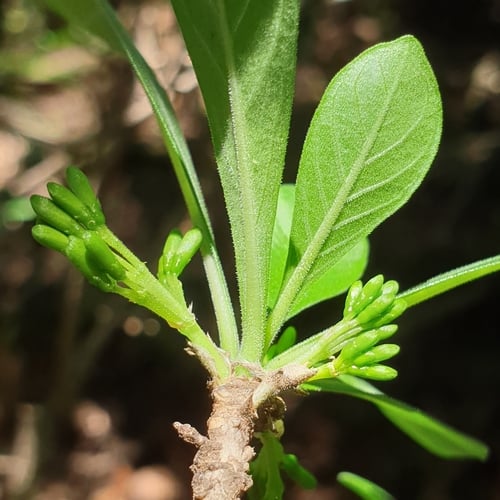
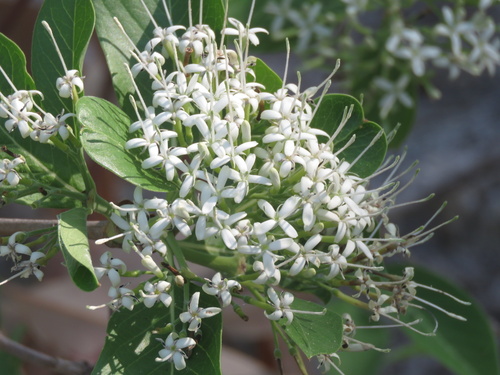
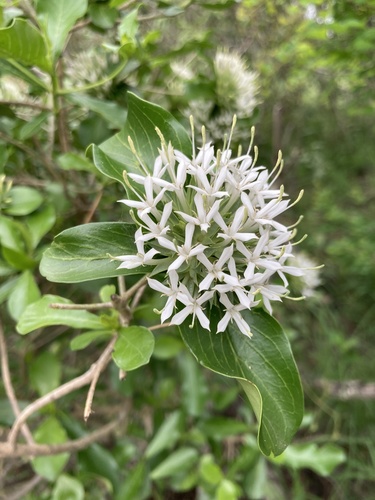
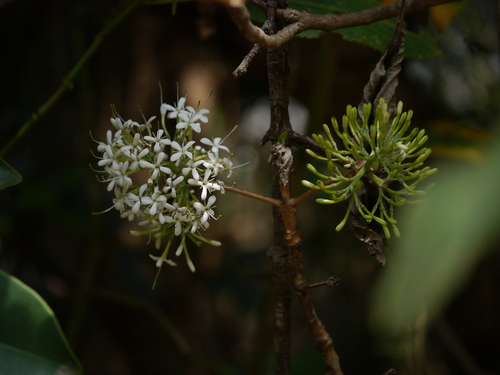
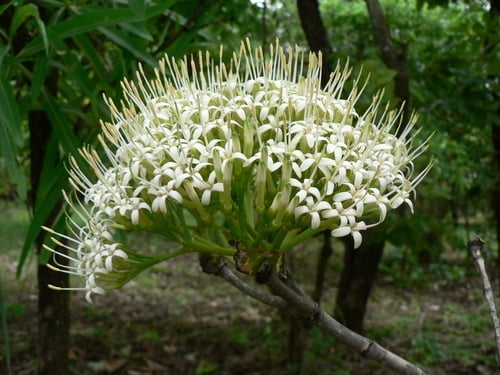
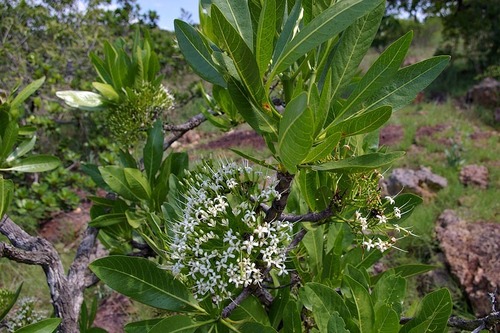
A shrub or small tree. It grows 6 m tall. The flowers are white and have a scent. They are 15 cm long and trumpet shaped or bell shaped. The fruit has black pulp around the seeds that is edible.
Edible Uses
The black pulp surrounding the seeds in the fruit is edible.
Distribution
It is a forest plant. It grows in forest and secondary jungle. It grows along rivers and in palm groves.
Where It Grows
Africa, Angola, Asia, Cameroon, Central Africa, Congo, Ghana, Guinea, Guinée, Guinea-Bissau, India, Liberia, Sierra Leone, West Africa,
Synonyms
Also Known As
Anyofon-bokowa, Go gbondo, Goiaba-de-mato, Gyaneya
References (8)
- Abbiw, D.K., 1990, Useful Plants of Ghana. West African uses of wild and cultivated plants. Intermediate Technology Publications and the Royal Botanic Gardens, Kew. p 47 (As Randia macrantha)
- Ambasta, S.P. (Ed.), 2000, The Useful Plants of India. CSIR India. p 209, 513 (As Randia macrantha)
- Burkill, H. M., 1985, The useful plants of west tropical Africa, Vol. 4. Kew.
- Dalziel, 1937,
- Jardin, C., 1970, List of Foods Used In Africa, FAO Nutrition Information Document Series No 2.p 135 (As Randia macrantha)
Show all 8 references Hide references
- Peters, C. R., O'Brien, E. M., and Drummond, R.B., 1992, Edible Wild plants of Sub-saharan Africa. Kew. p 169
- Unwin, A. H., 1920, West African Forests and Forestry. Fisher Unwin Ltd. pdf on Internet p 72 (As Randia macrantha)
- World Checklist of Useful Plant Species 2020. Royal Botanic Gardens, Kew