Pittosporum viridiflorum
Sims
Cheesewood
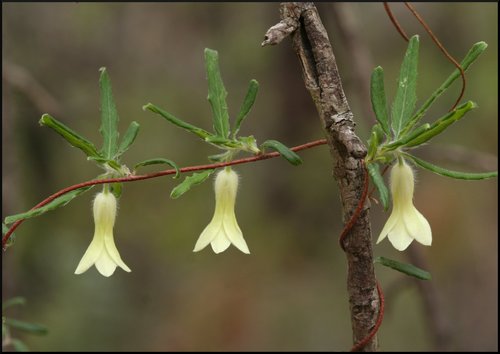
iNaturalist· cc-by-nc
(c) Erwin Sieben, some rights reserved (CC BY-NC), uploaded by Erwin Sieben
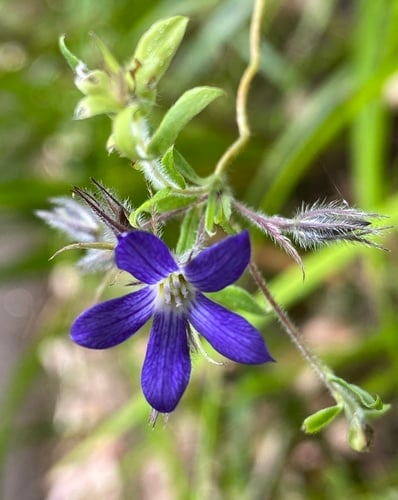
iNaturalist· cc-by-nc
(c) hkennedy, some rights reserved (CC BY-NC)
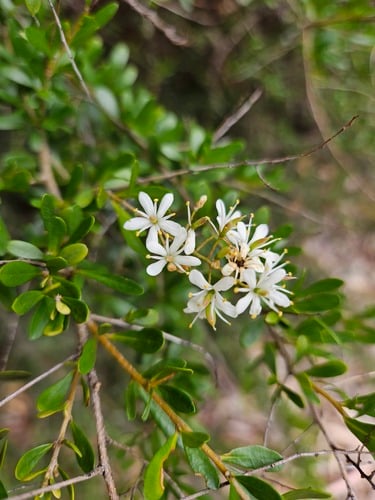
iNaturalist· cc-by-nd
(c) Kyle Campbell, some rights reserved (CC BY-ND), uploaded by Kyle Campbell
Summary
Source: WikipediaPittosporum viridiflorum (Cape cheesewood, Afrikaans: Kasuur, Sotho: Kgalagangwe, Xhosa: Umkhwenkwe, Zulu: Umfusamvu) is a protected tree in South Africa.
Description
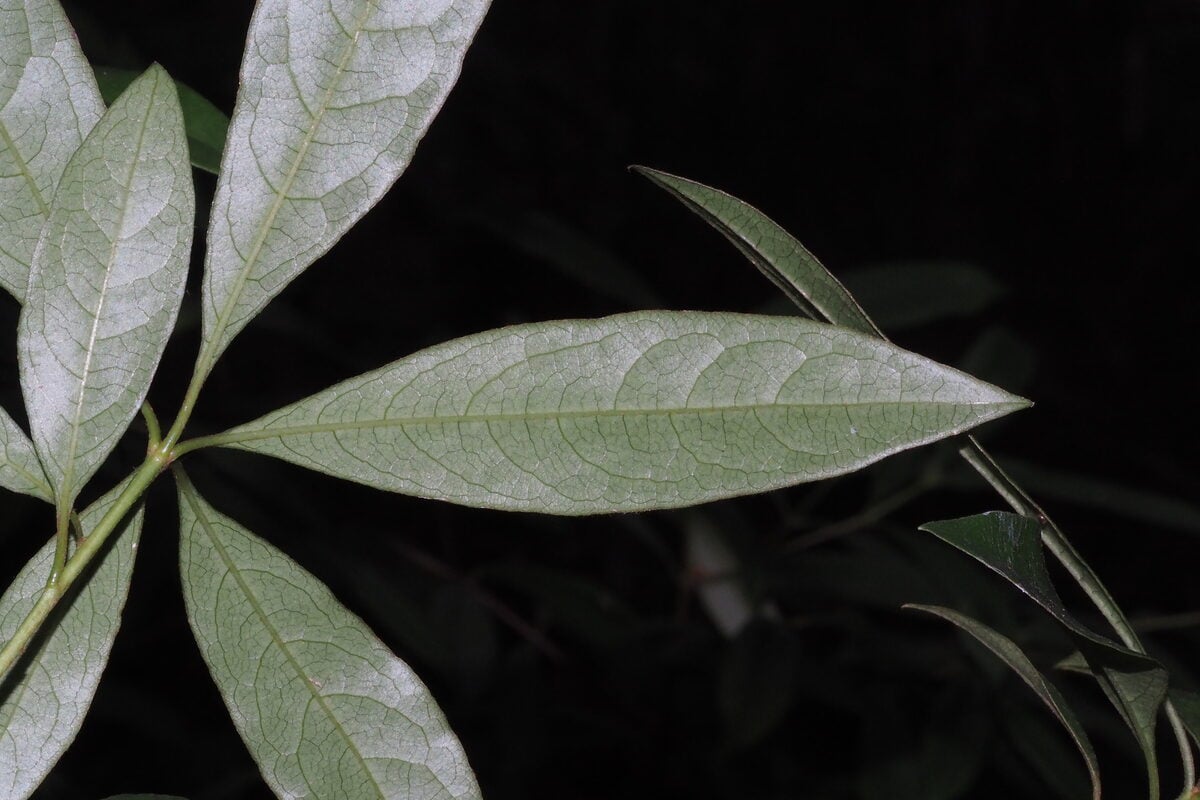
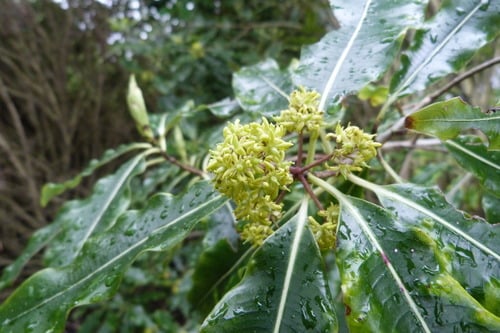
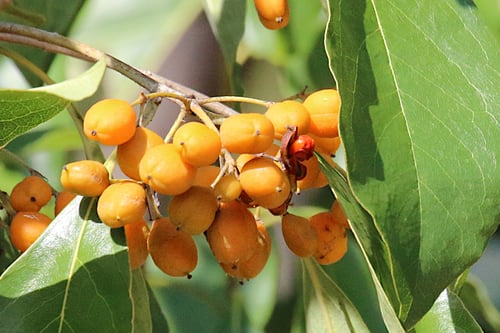
A tree. It grows 10-25 m high. The trunk is light grey with darker bands of cells. It is densely leafy and the leaves are leathery. The leaves are 7 cm long by 3 cm wide. There is often a notch at the tip. The flowers are in dense clusters at the top of the plant. The petals are greenish-yellow. The fruit is downy but becomes hairless when ripe. There are few seeds. They have a bright orange sticky covering over them.
Edible Uses
The fruit are eaten fresh. The leaves are used for flavouring and as a preservative.
Traditional Uses
The fruit are eaten fresh. The leaves are sued for flavouring and as a preservative.
This uses section is brief — help expand it
Medicinal Uses
The bark is a bitter emetic and febrifuge. The stem bark, which has a bitter taste and strong resinous or liquorice smell, is used medicinally. Decoctions or infusions are widely used to treat stomach complaints, abdominal pain and fever. The roasted bark of young trees is used in the treatment of dysentery. It is said to ease pain and have a calming effect. The dried, powdered root or bark is sometimes added to beer as an aphrodisiac. The bark is used as a medicine for anaemia and for preventing abortion in young women..
Distribution
It is a tropical plant. It grows in open woodland and on rocky outcrops. It can be on the edges of forests along rivers and in mountains. It grows between 1,350-2,450 m above sea level.
Where It Grows
Africa, Arabia, Asia, Botswana, Burundi, Cameroon, Central Africa, Central African Republic, CAR, Congo, Côte d'Ivoire, East Africa, Eswatini, Ethiopia, Guinea, Guinée, India, Ivory Coast, Kenya, Madagascar, Malawi, Middle East, Mozambique, Nigeria, Rwanda, Somalia, South Africa, Southern Africa, St Helena, Sudan, Swaziland, West Africa, Zambia, Zimbabwe,
Cultivation
Plants can tolerate some frost. Succeeds in full sun or semi-shade. Prefers a well-drained, reasonably moist soil, though it can tolerate some drought. The plant has escaped from cultivation and become established in areas outside its native range - it has the potential to become a weed.
Propagation
Seed - easily grown from seed. Unparasitized seed has a germination percentage of 80 - 90%. Sow seeds in trays in a mixture of river sand and compost; cover lightly with fine compost and keep moist. Seeds should germinate in 8 - 12 weeks and the fast growing seedlings should be bagged up when they have two leaves. Softwood or semi-hardwood cuttings. Transplants easily.
Other Uses
The bark yields a red dye. The root fibre is used in basketry. The plant is rich in saponins and has been used as a soap substitute. The soft, white wood is little used, but has been utilized for kitchen furniture and shelving. It is used for tool handles, spoons and clogs. The wood is used as a fuel. The plant can be pruned and grown as a hedge.
Synonyms
Also Known As
Dengay seber, Gaallo, Iyoyi, Mkhwakhwa, Muchemedzambuya, Mugarambinga, Mukwenukwenu, Murambatsvina, Murunganyama, Mybandam, Nauimque, Roha, Sibhaha, Solie, Umfusamvu
References (15)
- Demise, S. & Asfaw, Z., 2020, Ethno Botanical Study of Wild Edible Plants in Adola District, Southern, Ethiopia. International Journal of Research and Analytical Reviews (IJRAR) 7(2).
- Emire, A., et al, 2021, Ethnobotanical Study of Wild Edible Fruit Tree and Shrub Species in Adola Rede and Odo Shakiso Midland Districts of Guji Zone, Southern Ethiopia. Int. J. Adv. Res. Biol. Sci. (2021). 8(12): 96-109
- Fowler, D. G., 2007, Zambian Plants: Their Vernacular Names and Uses. Kew. p 53 (Subsp. ripicola)
- Long, C., 2005, Swaziland's Flora - siSwati names and Uses http://www.sntc.org.sz/flora/
- Molla, A., Ethiopian Plant Names. http://www.ethiopic.com/aplants.htm
Show all 15 references Hide references
- Mutie, F. M., et al, 2023, Important Medicinal and Food Taxa (Orders and Families) in Kenya, Based on Three Quantitative Approaches. Plants 2023, 12, 1145
- Ogle & Grivetti, 1985,
- Peters, C. R., O'Brien, E. M., and Drummond, R.B., 1992, Edible Wild plants of Sub-saharan Africa. Kew. p 161
- Ruiters-Welcome, A. K., 2019, Food plants of southern Africa. Ph.D. thesis. Univ. of Johannesburg p 87
- Swaziland's Flora Database http://www.sntc.org.sz/flora
- Tebkew, M. et al, 2014, Underutilized wild edible plants in the Chilga District, northwestern Ethiopia: focus on wild woody plants. Agriculture & Food Security 3:12
- White, F., Dowsett-Lemaire, F. and Chapman, J. D., 2001, Evergreen Forest Flora of Malawi. Kew. p 433
- Welcome, A. K. & Van Wyk, B.-E., 2019, An inventory and analysis of the food plants of southern Africa. South African Journal of Botany 122 (2019) 136–179
- World Checklist of Useful Plant Species 2020. Royal Botanic Gardens, Kew
- www.zimbabweflora.co.zw 2011