Ficus bussei
Warb. ex Mildbr. & Burret
Busse's fig, Zambezi fig
iNaturalist· cc0
no rights reserved, uploaded by Klaus Wehrlin
iNaturalist· cc-by-nc
(c) Bart Wursten, some rights reserved (CC BY-NC)
Description
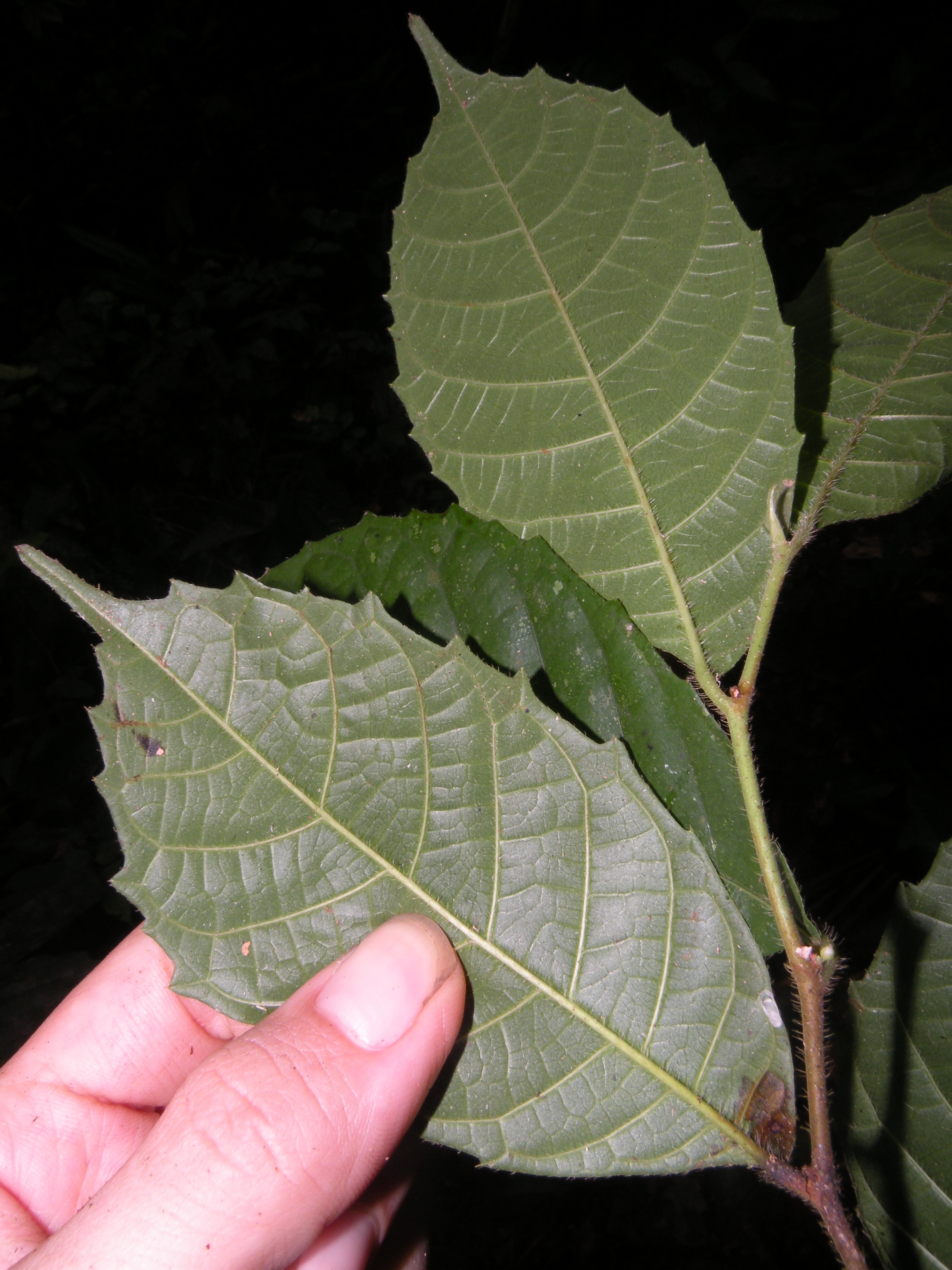
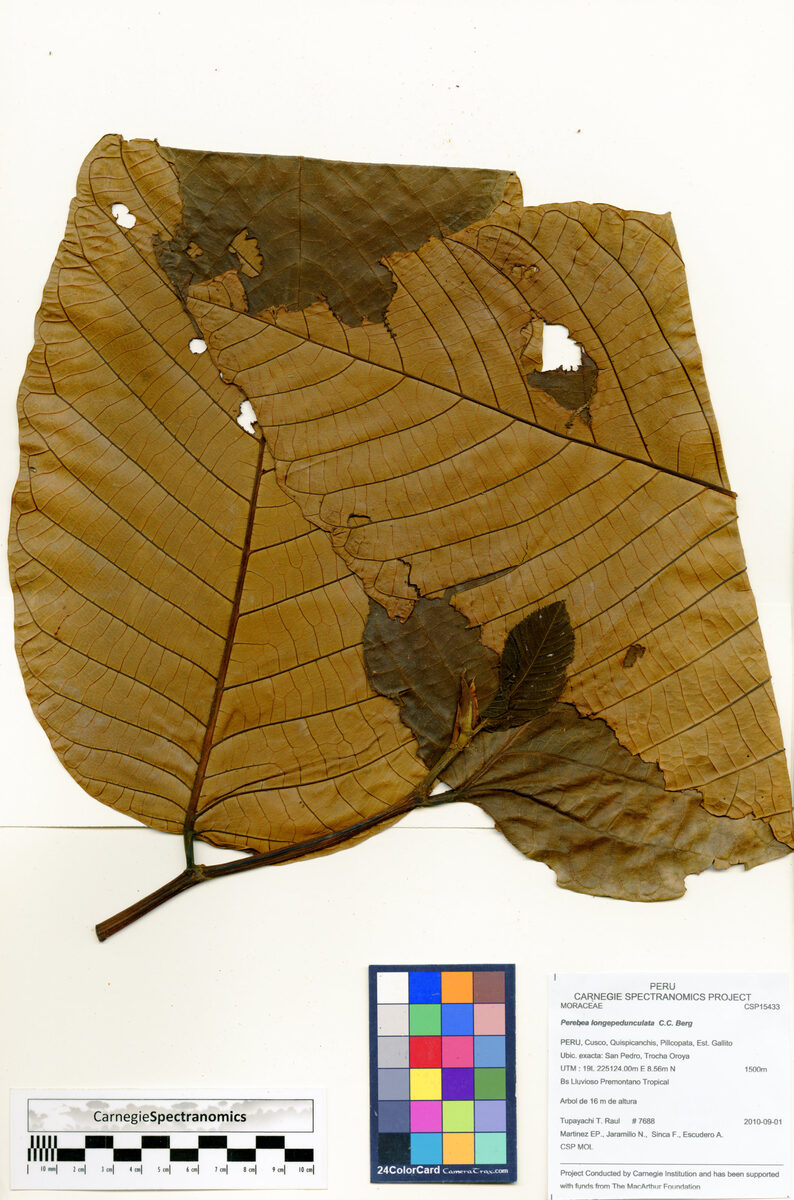
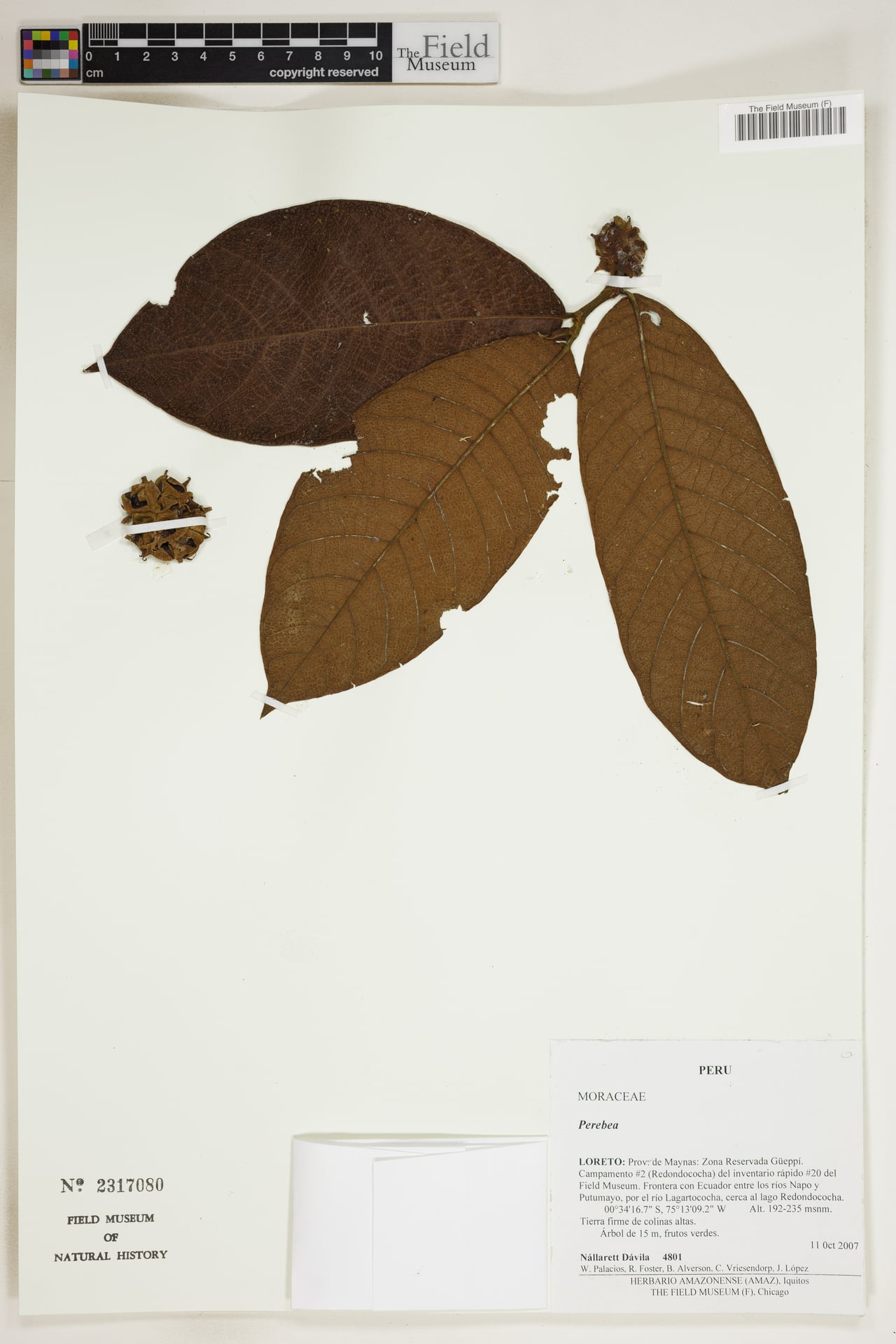
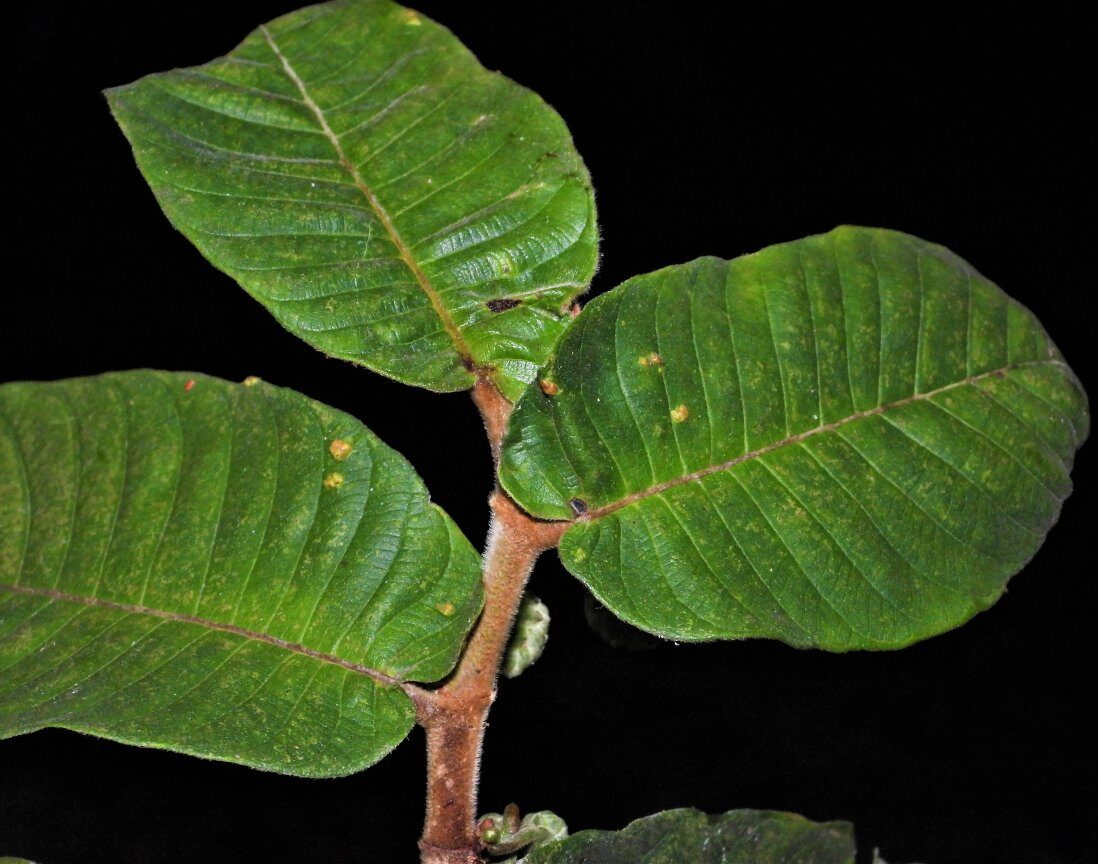
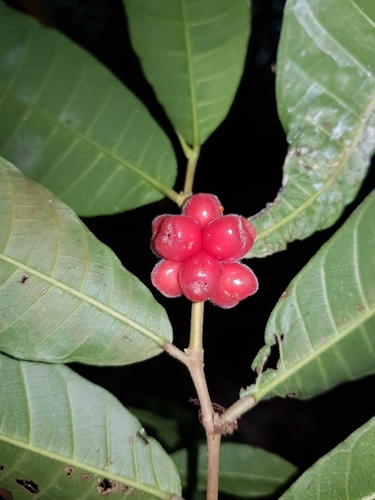
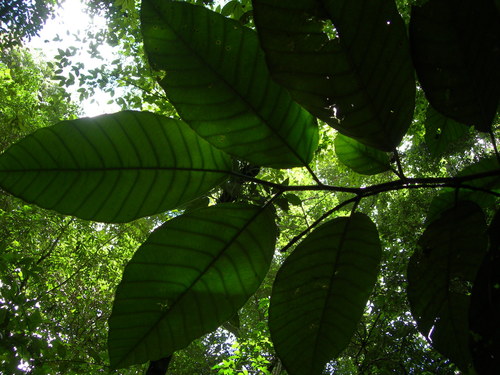
A fig. It is a tree. It grows 20 m high. It grows attached to other plants then becomes established in the soil. The leaf twigs are 4-12 mm thick. The leaves are arranged in spirals. The leaves are 5-24 cm long by 3-10 cm wide. They are leathery. There are 10-16 pairs of side veins. The leaf stalk is 2-8 cm long. The figs are often in pairs. They are in the axils of leaves. They are 2-3 cm across. They are green when ripe.
Edible Uses
The fruit is eaten.
Distribution
It is a tropical plant. It grows in coastal and river valley locations at low altitudes. It grows from sea level to 600 m altitude.
Where It Grows
Africa, East Africa, Ethiopia, Kenya, Malawi, Mozambique, Somalia, Southern Africa, Tanzania, Zambia, Zimbabwe,
Synonyms
Also Known As
Barde, Citowe, Mutata, Rough-leafed fig
References (6)
- Dalziel, J. M., 1937, The Useful plants of west tropical Africa. Crown Agents for the Colonies London.
- Flora Zambesiaca. http://apps.kew.org/efloras
- Fowler, D. G., 2007, Zambian Plants: Their Vernacular Names and Uses. Kew. p 48
- Omer, M., 2011, Diversity of Woody Species, Local Knowledge and Management Practices in Different Land Use Systems of Awbare Wereda, Jig-Jiga Zone of Somali Region, Ethiopia. M. Sc. thesis Addis Abba University p 47 (As Ficus somalensis)
- Peters, C. R., O'Brien, E. M., and Drummond, R.B., 1992, Edible Wild plants of Sub-saharan Africa. Kew. p 149
Show all 6 references Hide references
- www.figweb.org