Lobelia anceps
L. f.
iNaturalist· cc-by-nc-sa
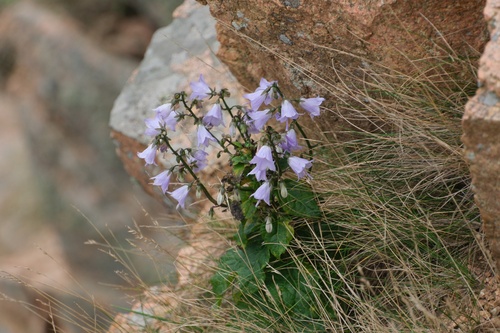
(c) Michael Keogh, some rights reserved (CC BY-NC-SA), uploaded by Michael Keogh
iNaturalist· cc-by-nc-sa
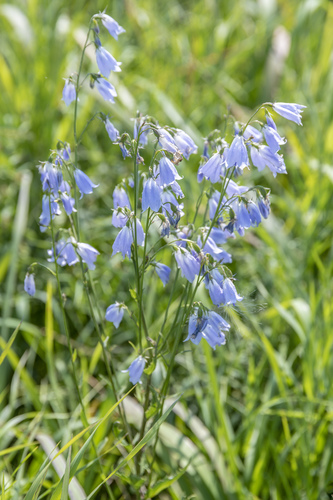
(c) King Kei, some rights reserved (CC BY-NC-SA)
iNaturalist· cc-by-nc-sa
(c) King Kei, some rights reserved (CC BY-NC-SA)
Summary
Source: WikipediaLobelia anceps, commonly known as angled lobelia, is a small herbaceous plant in the family Campanulaceae it grows in several states of Australia, New Zealand, South America and South Africa. It is a small, perennial herb with blue to purple flowers.
Description
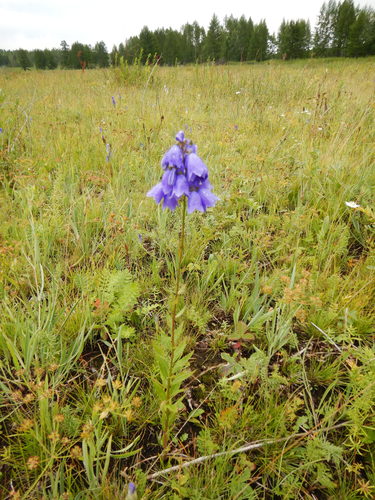
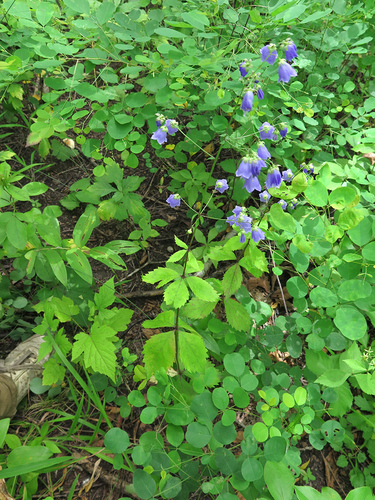
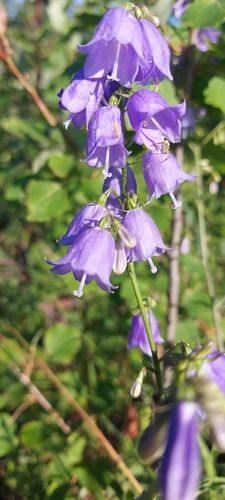
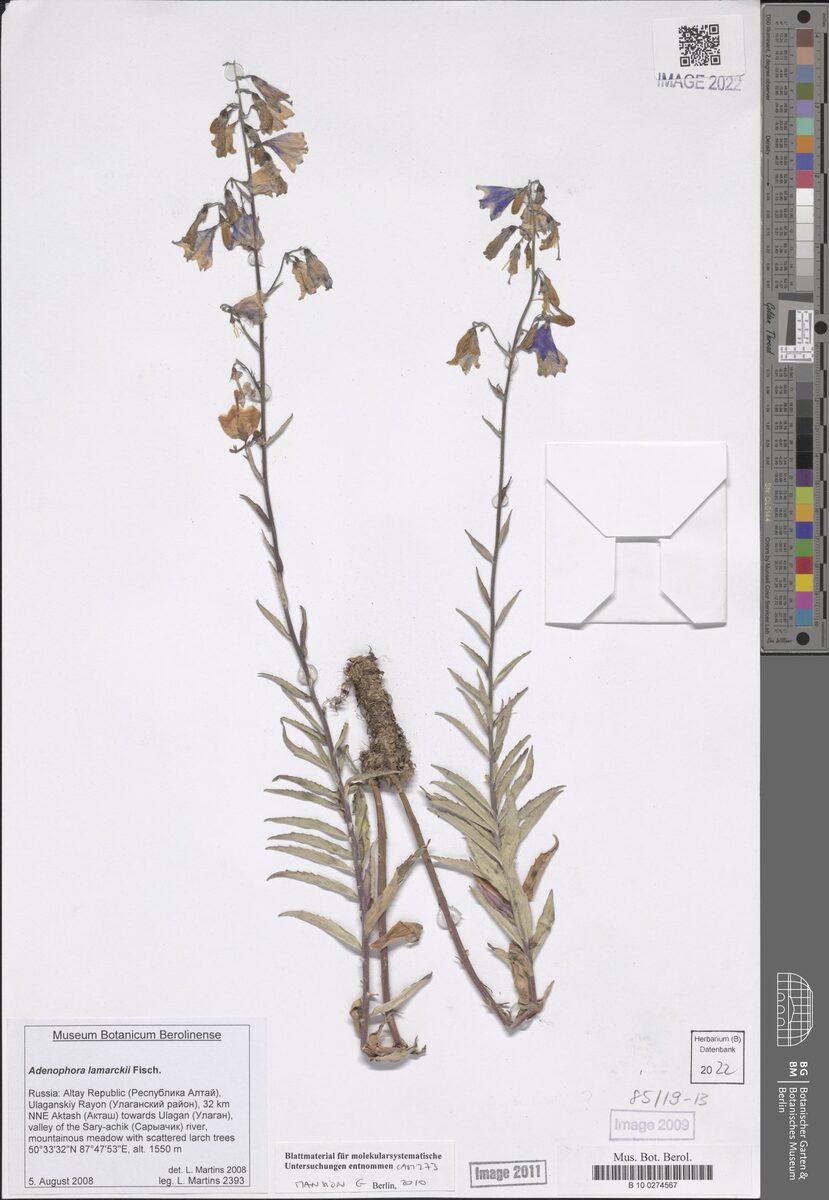
A small herb. It grows each year from seed. It has slender winged stems. It grows 30 cm high. The leaves are alternate , simple and well spaced. The upper leaves are long and narrow. The leaves near the base are 3 cm long. The leaves have small teeth. The flowers are small and pale blue. They are along stalks that can be at the end of the stems or in the axils of leaves. The fruit are dry narrow capsules.
Edible Uses
Young leaves are chopped and cooked as a vegetable.
Traditional Uses
The young leaves are chopped and cooked. Caution:
This uses section is brief — help expand it
Distribution
It is a tropical plant. It grows in damp places. It can be be near streams and on coastal sand. In Tanzania it grows from sea level to 1,800 m above sea level.
Where It Grows
Africa, Australia, East Africa, Ethiopia, Kenya, Madagascar, Mozambique, Somalia, Tanzania, Tasmania, Zimbabwe,
Cultivation
It can be grown from seeds or cuttings.
Production
Leaves are collected during the rainy season.
Also Known As
Anambosaka, Sambae