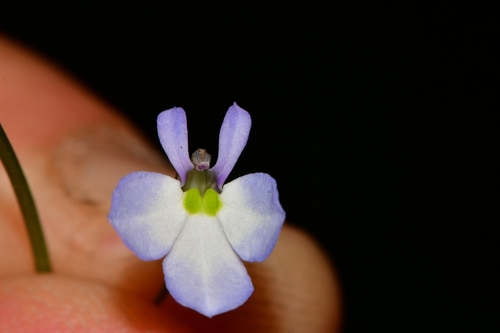
Campanula parryi
Gray.
Parry's Bellflower, Idaho bellflower
iNaturalist· cc-by-nc
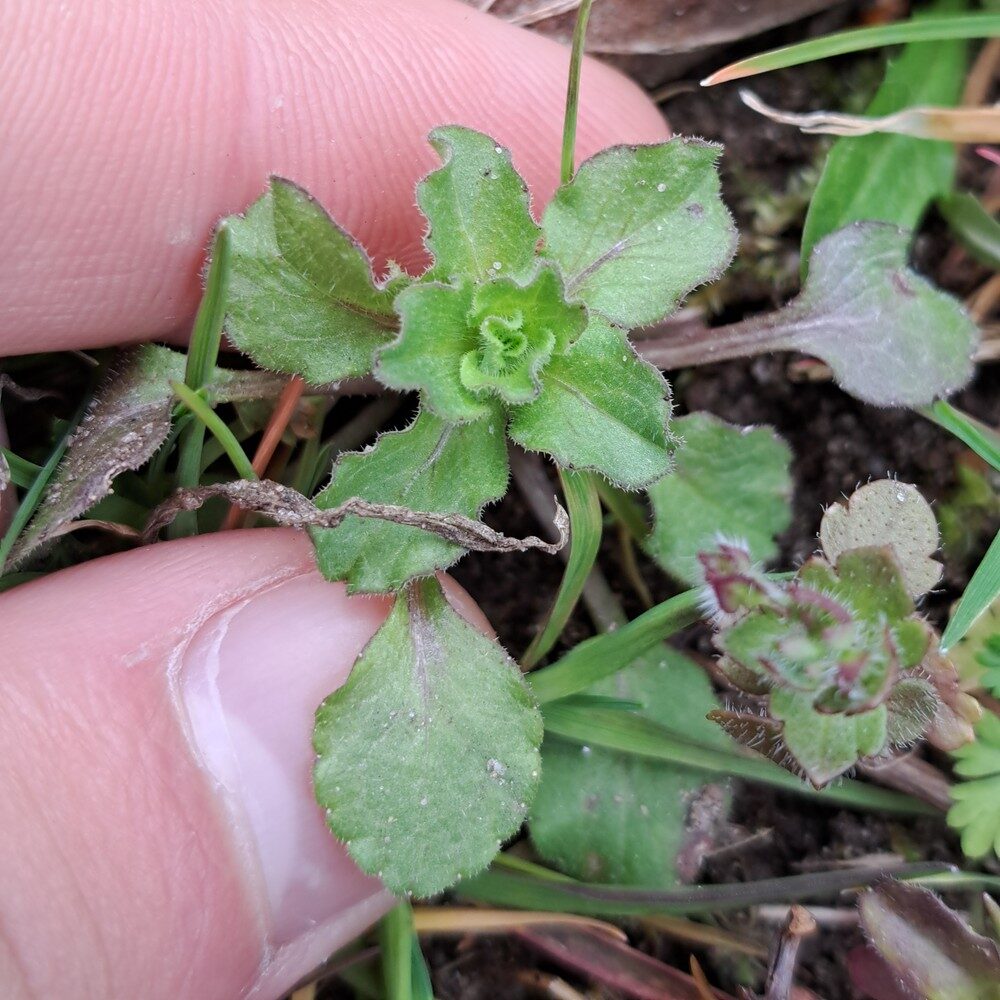
(c) Colin Barrows, some rights reserved (CC BY-NC)
iNaturalist· cc-by-nc
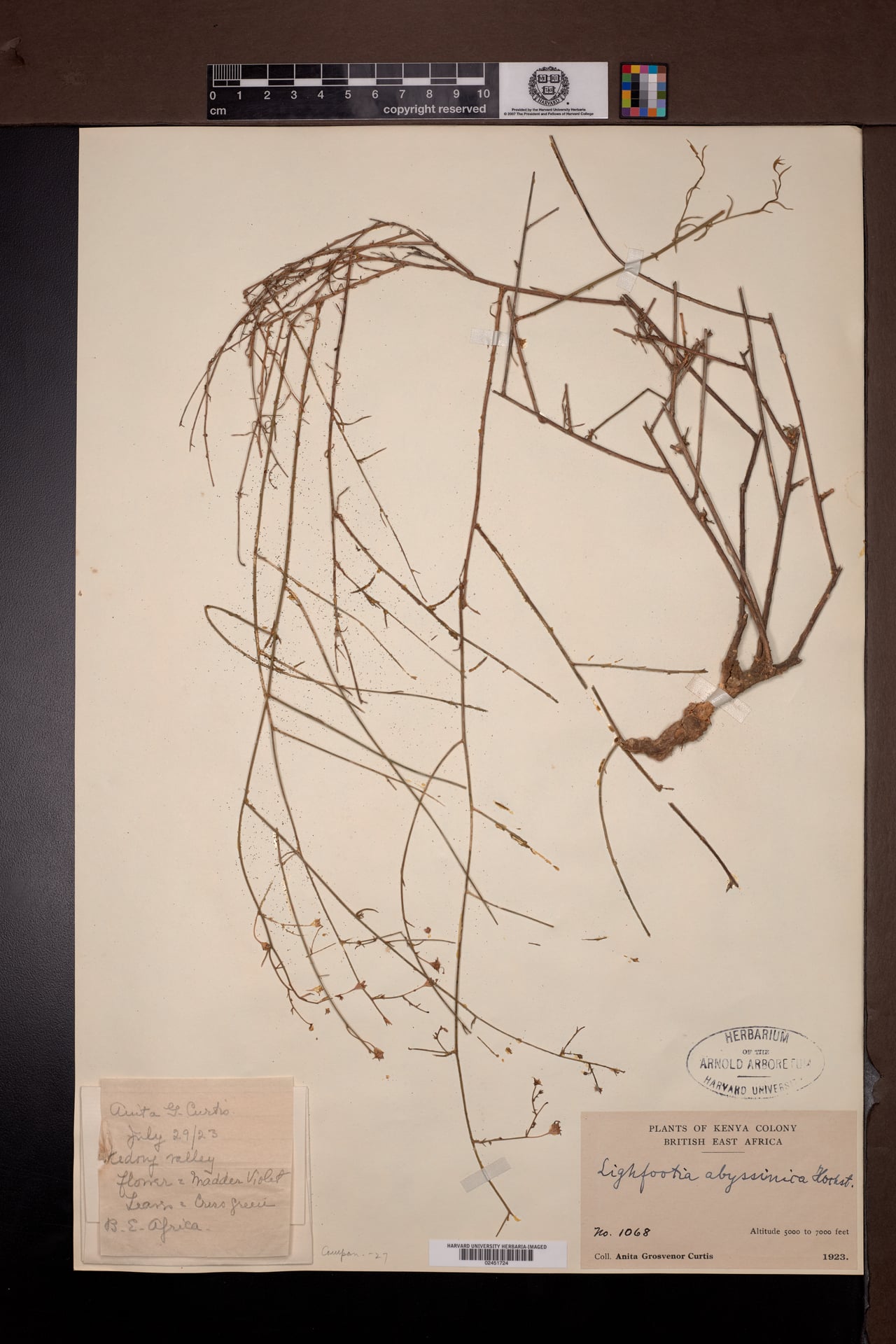
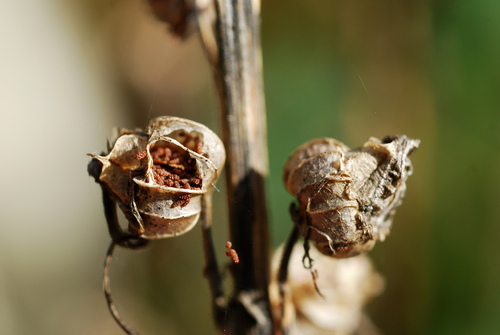
(c) student-of-nature, some rights reserved (CC BY-NC)
iNaturalist· cc-by
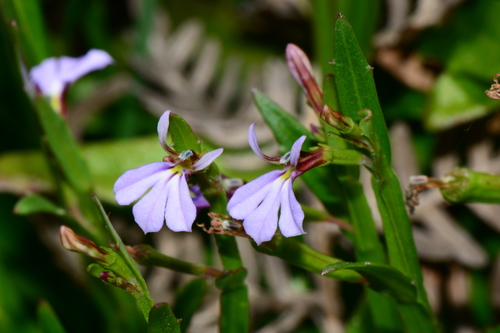
(c) Matt Berger, some rights reserved (CC BY), uploaded by Matt Berger
Description
Campanula parryi is a PERENNIAL growing to 0.3 m (1ft) by 0.5 m (1ft 8in) at a fast rate. See above for USDA hardiness. It is hardy to UK zone 4. The species is hermaphrodite (has both male and female organs) and is pollinated by Bees, flies, beetles, Lepidoptera (Moths & Butterflies). The plant is self-fertile. Suitable for: light (sandy) and medium (loamy) soils and prefers well-drained soil. Suitable pH: neutral and basic (mildly alkaline) soils. It can grow in semi-shade (light woodland) or no shade. It prefers moist soil.
Edible Uses
A charming alpine edible of very minor food importance. Its value lies in botanical interest more than nutrition. The edible parts are the fresh leaves and flowers. Their flavour resembles mild lettuce with a faint marshy overtone. They lack bitterness, astringency, or harshness, making them safe raw or cooked. However, the plants are extremely small, with only a handful of usable leaves per individual, giving them a low food-value rating. Stems are tough, wiry, and can splinter, so they must be avoided. Taste, Processing & Kitchen Notes: Fresh leaves are tender and pleasant, easily incorporated into salads or as garnish. Cooking reduces the subtle marshy aspect but does not improve yield. Because the stems are inedible and fibrous, harvesters must pluck individual leaves, which is tedious. Flowers add visual interest and a mild vegetal sweetness. Seasonality (Phenology): Mountain bluebells flower from June through September. Leaves emerge soon after snowmelt and remain usable through much of the season. The edible period aligns with high-elevation summer. Harvest & Processing Workflow: Harvest involves plucking individual leaves from large colonies—extremely time-consuming. Edible yield is small and best suited to supplementary use. Look-Alikes & Confusion Risks: Roundleaf bluebell (C. rotundifolia) is extremely similar. Differentiation depends on the presence of rounded basal leaves in rotundifolia. Both are edible. Traditional / Indigenous Use Summary: There is no substantial record of Native American consumption. The plant’s size and limited food value kept it from being a significant resource.
Medicinal Uses
Antiphlogistic Miscellany Miscellany Poultice Skin. The root is antiphlogistic. A poultice made from the chewed root has been applied to bruises. The plant has been taken by pregnant women who desired a female child. The dried plant has been used as a dusting powder to treat sores. The chewed blossoms have been applied to the skin as a depilatory.
Distribution
South-western N. America.
Where It Grows
NORTHERN AMERICA: United States (Colorado (Rocky Mtns.), Idaho, Montana, Washington, Wyoming (south), New Mexico, Arizona (mountains), Utah)
Cultivation
This species prefers cool, moist meadows, especially those saturated with snowmelt. It performs best in well-drained but moist soils, with full sun at high elevations or partial sun in lower sites. It is well adapted to cold climates, corresponding roughly to USDA Zones 3–7, depending on site exposure. Prefers a moist but well-drained, rich sandy loam and a neutral or alkaline soil in sun or partial shade. Plants grow and spread freely in any light soil and do well when hanging over a wall. Plants are hardy to at least -15°c. The species in this genus do not often hybridize and so seed can generally be relied upon to come true. The plants are self-fertile. Seed is freely produced in British gardens. Plants are very attractive to slugs. Members of this genus are rarely, if ever, troubled by browsing deer. Identification & Habit: This perennial grows 5–30 cm tall, forming small colonies of thin, wiry stems arising from a narrow rootstock. Leaves are alternate, with lower blades oblanceolate and upper blades linear and grass-like. Surfaces are generally hairless, margins smooth or minutely toothed. Flowers are upright, bluish-purple, bell-shaped, 5-lobed, and 11–22 mm long, occurring singly or a few together in loose racemes. Capsules are upright, three-celled, releasing seeds through pores near the top—an important Campanula characteristic. Habitat & Range: Found primarily in northern Arizona, northern New Mexico, Utah, Colorado, Wyoming, and Idaho. It grows in montane and subalpine meadows, wet slopes, and streamside openings. Size & Landscape Performance: Typically 5–30 cm tall with minimal spread. In cultivation, it requires cool summers and consistent moisture. It is better suited as an alpine ornamental than a food plant, though it is rarely grown horticulturally. Cultivation (Horticulture): Germination requires cool, moist conditions. Plants benefit from snow cover in winter and mild summers. They may fail in hot, low-elevation gardens. They prefer humus-rich soils and good drainage with steady moisture. Pests & Problems: No major issues. Plants may suffer from desiccation during drought or heat waves.
Propagation
Seed - surface sow spring in a cold frame. The seed usually germinates in 2 - 4 weeks at 18°c. When they are large enough to handle, prick the seedlings out into individual pots and grow them on in a cold frame for at least their first winter. Plant them out into their permanent positions in late spring or early summer, after the last expected frosts. Basal cuttings in spring. Harvest the shoots when they are about 10 - 15cm long with plenty of underground stem. Pot them up into individual pots and keep them in light shade in a cold frame or greenhouse until they are rooting well. Plant them out in the summer. Division in spring or autumn. Difficult, because the long runners do not take kindly to separation from the parent plant and are difficult to establish.
Other Uses
Miscellany Miscellany. The chewed blossoms are depilatory. Ecology & Wildlife: Pollination is largely performed by small bees, including halictids and solitary alpine species, along with occasional syrphid flies. Flowers are structured to favour insect pollination. Wildlife browsing is minimal due to the plant’s small size.
Also Known As
Parry’s Bellflower / Scotch Bellflower / Mountain Bluebell (Campanula parryi)