Campanula portenschlagiana
Schult.
Adria bellflower
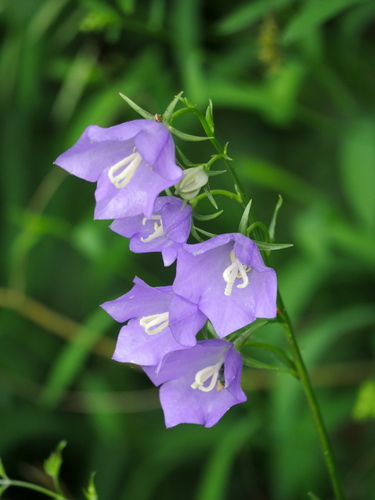
iNaturalist· cc-by-nc
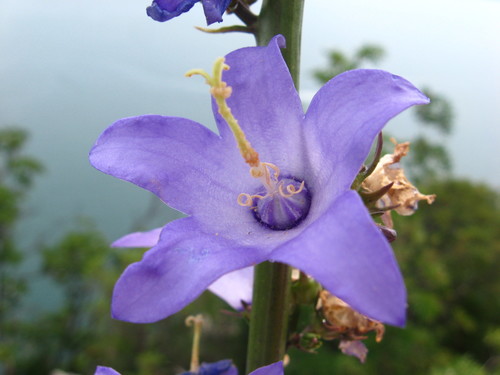
(c) Chuangzao, some rights reserved (CC BY-NC), uploaded by Chuangzao
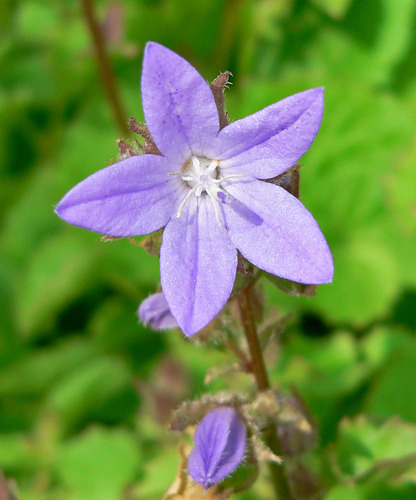
iNaturalist· cc-by-nc
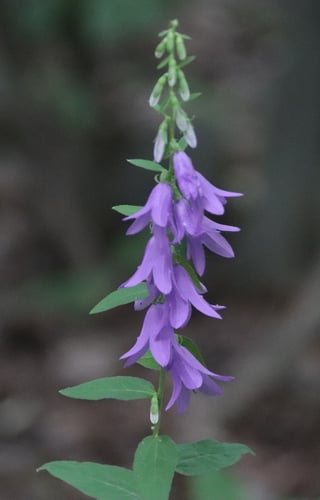
(c) theo JF, some rights reserved (CC BY-NC), uploaded by theo JF
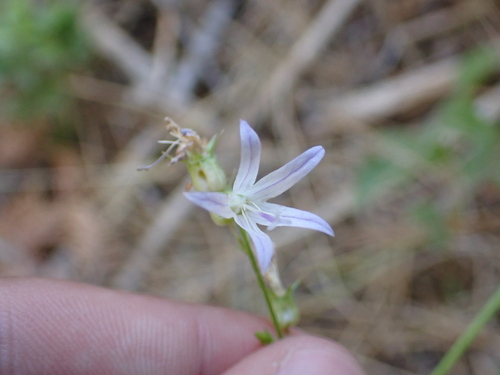
iNaturalist· cc-by-sa
(c) Leonora (Ellie) Enking, some rights reserved (CC BY-SA)
Summary
Source: WikipediaCampanula portenschlagiana, the wall bellflower, is a species of flowering plant in the family Campanulaceae, native to the Dalmatian Mountains in Croatia. It is a vigorous, low-growing, mound-forming evergreen perennial with deep purple flowers in summer. Other common names include Dalmatian bellflower, Adria bellflower and Campanula muralis.
Description
A vigorous herb. It grows 15 cm high and spreads 45-60 cm wide. The stems are trailing and spreading. The leaves are small and heart shaped. The flowers are blue and star shaped. They have 5 petals.
Edible Uses
The leaves can be eaten raw or cooked. Although rather small, they are produced throughout the year, have a mild flavour, and make an acceptable addition to mixed salads — particularly useful in winter. Eaten in large quantities, however, they become somewhat unpleasant. The flowers are very freely produced, have a pleasant flavour, and make a decorative addition to salads.
Traditional Uses
The flowers and leaves are eaten raw in salads. The leaves and stems can be cooked and used in soups and stews.
This uses section is brief — help expand it
Medicinal Uses
None known.
Distribution
It is a cool temperate plant. It needs well-composted, moist, well-drained soils. It needs a protected sunny position. It is resistant to frost but damaged by drought. It suits hardiness zones 4-9.
Where It Grows
Australia, Britain, Europe*, USA,
Cultivation
Prefers a moist but well-drained rich sandy loam and a neutral or alkaline soil preferring full sun but also succeeding in partial shade. This species prefers a slightly shaded position. Plants can be grown on a dry stone wall and succeed in poor soils. Plants are hardy to at least -15°c. The species in this genus do not often hybridize and so seed can generally be relied upon to come true. The plants are self-fertile. A rampant plant, capable of spreading widely when in suitable conditions by means of both underground roots and long stems above ground. It makes a good ground cover but can become a nuisance if it is not sited with care. It is, however, fairly easy to control by simply pulling up any parts of the plant that wander too far. There are several named forms selected for their ornamental value. Members of this genus are rarely if ever troubled by browsing deer.
Propagation
Sow seed on the surface in a cold frame in spring; germination typically occurs in 2–4 weeks at 18°C. Once large enough to handle, prick seedlings out into individual pots and grow on in a cold frame for at least the first winter, then plant out in late spring or early summer after the last expected frosts. Take basal cuttings in spring by harvesting shoots around 10–15cm long with plenty of underground stem; pot individually and keep in light shade in a cold frame or greenhouse until rooting well, then plant out in summer. Division in spring or autumn is very easy — the plant can be divided at almost any time of year.
Other Uses
A rampantly spreading plant, suitable for use as ground cover in a sunny position. Suitable for food forest settings.
Notes
There are about 300 Campanula species.
Synonyms
References (6)
- Bodkin, F., 1991, Encyclopedia Botanica. Cornstalk publishing, p 208
- Crawford, M., 2012, How to grow Perennial Vegetables. Green Books. p 78
- Cundall, P., (ed.), 2004, Gardening Australia: flora: the gardener's bible. ABC Books. p 321
- Jackes, D. A., Edible Forest Gardens
- Plants for a Future database, The Field, Penpol, Lostwithiel, Cornwall, PL22 0NG, UK. http://www.pfaf.org
Show all 6 references Hide references
- Syst. veg. 5:93. 1819