Croton gratissimus
Burch.
Lavendar Croton
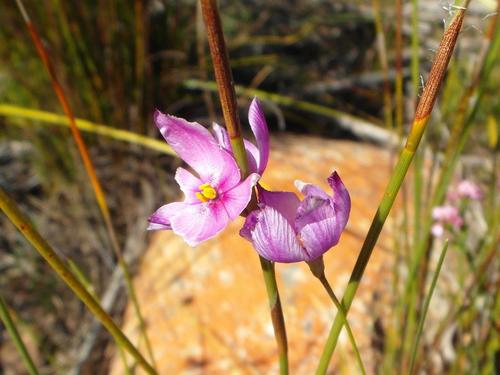
iNaturalist· cc-by-nc
(c) Marina van Wyk, some rights reserved (CC BY-NC), uploaded by Marina van Wyk
iNaturalist· cc-by
(c) Robert Taylor, some rights reserved (CC BY)
iNaturalist· cc-by
(c) Robert Taylor, some rights reserved (CC BY)
Summary
Source: WikipediaCroton gratissimus (commonly known as lavender croton or lavender fever berry), is a tropical African shrub or small tree with corky bark, growing to 8 m and belonging to the family of Euphorbiaceae or spurges. Young twigs are slender and angular and covered in silver and rust-coloured scales. The species occurs in Ethiopia, South Sudan, Sudan, Kenya, Uganda, Ivory Coast, Burkina Faso, the Gambia, Ghana, Guinea, Nigeria, Angola, Malawi, Mozambique, Zambia, Zimbabwe and the northern parts of South Africa. It is often found in rocky terrain.
Description
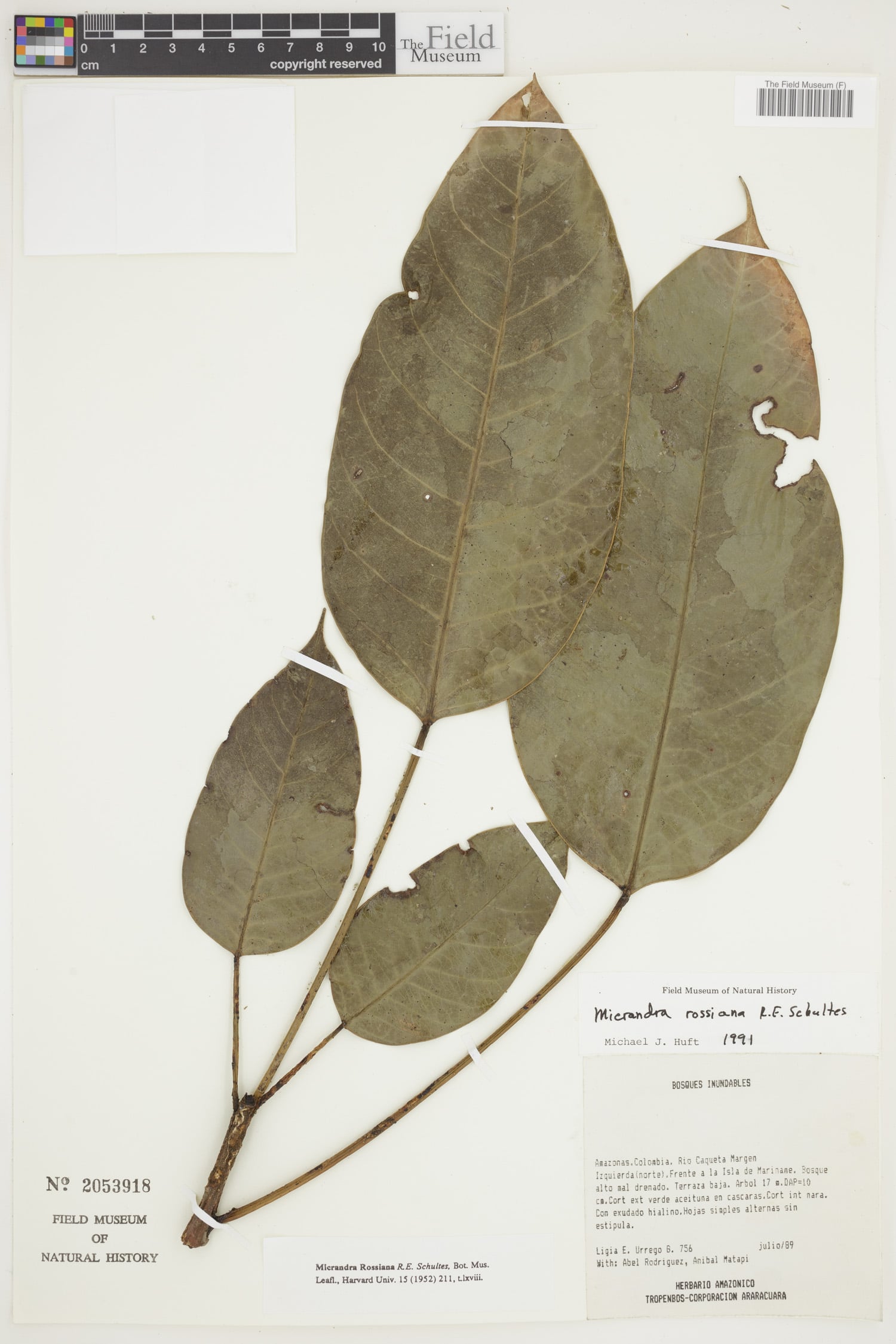
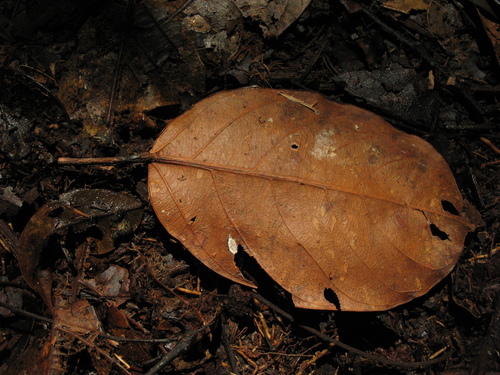
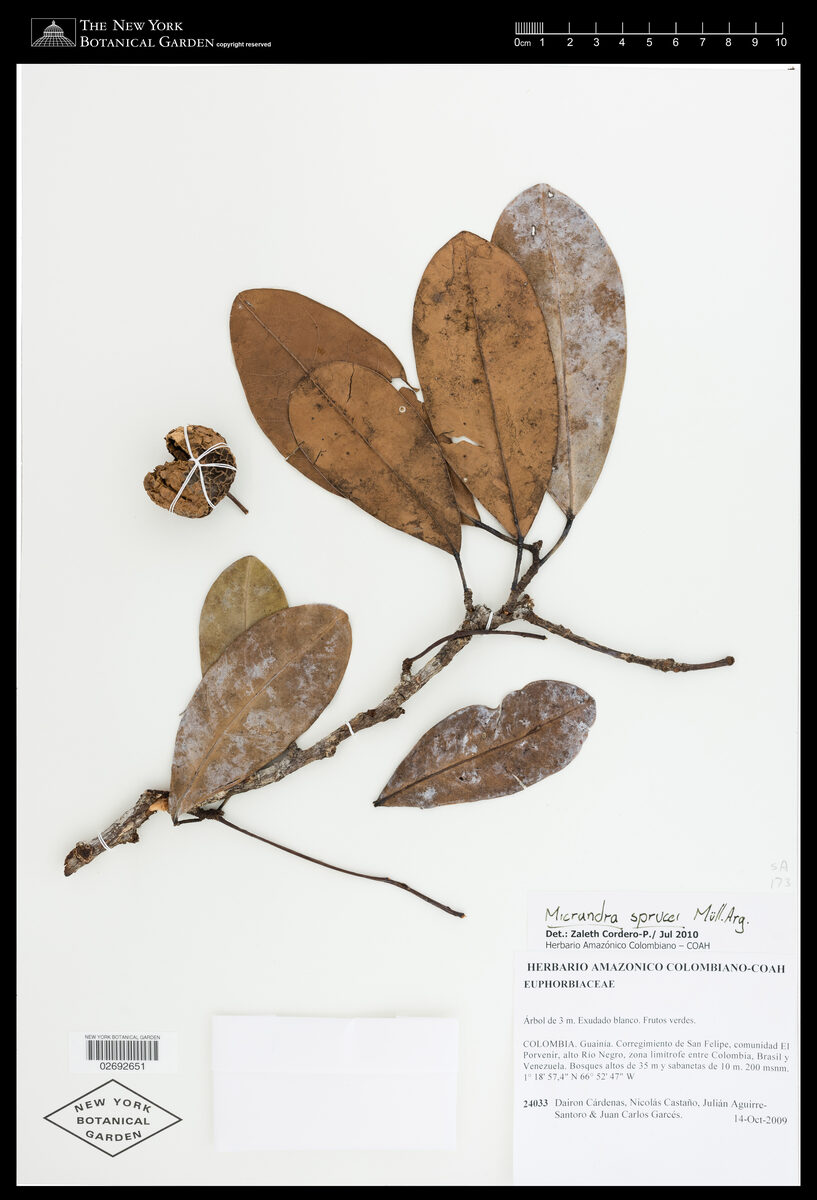
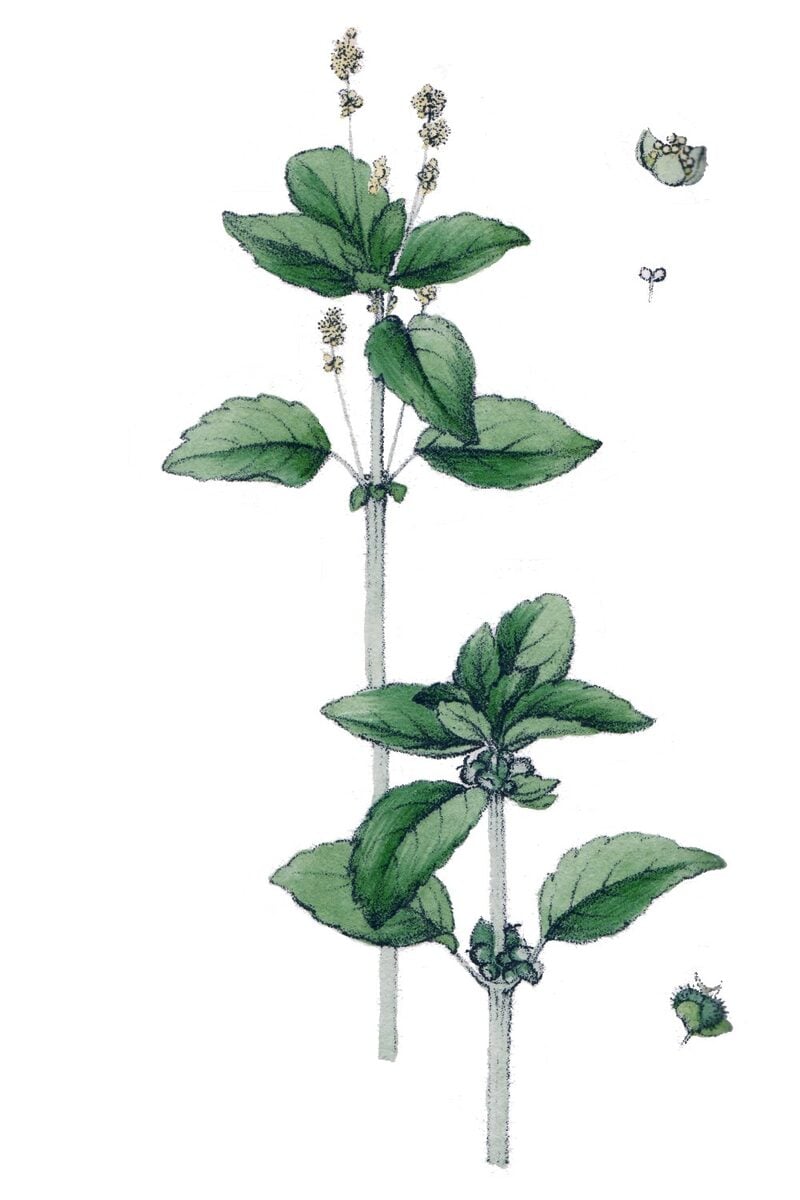
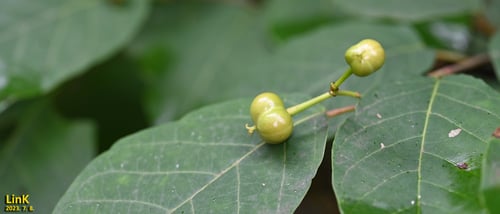
A shrub or small tree. It grows 6 m tall. It has a pleasant scent. Young stems are hairy. There are scaly hairs underneath the leaves. The leaf blade is dark above and white underneath. Leaves are 4 cm long by 2 cm wide. Male and female flowers are separate on the same plant. There are a few female flowers and more male flowers. The fruit are 7 mm across. They are capsules with 3 lobes. They are covered with scales. They are green and turn yellow.
Edible Uses
The fruits are eaten raw and used in sauces and for flavouring. The leaves are eaten as a green vegetable.
Traditional Uses
The fruit are eaten raw. They are also used in sauces and for flavouring. The leaves are eaten as a green vegetable.
This uses section is brief — help expand it
Medicinal Uses
The Bantu and Bushmen use extracts from the bark of this species for a host of medicinal purposes. It is traditionally used as a febrifuge, styptic, cathartic, and a remedy for dropsy, indigestion, pleurisy, uterine disorders, rheumatism and intercostal neuralgia. Leaves are used as perfume; contains aromatic oils; sporadically browsed by elephants and kudu.
Distribution
It is a tropical plant. It grows on the edge of the forest and in the savannah in West Africa. It grows on dry rocky hillsides. It grows between 5-1,950 m above sea level. It can grow in arid places. It has scales on the leaves that helps it conserve moisture.
Where It Grows
Africa, Angola, Benin, Botswana, Burkina Faso, Central Africa, East Africa, Eswatini, Gambia, Malawi, Mali, Mozambique, Namibia, Niger, Nigeria, Sahel, Sierra Leone, South Africa, Southern Africa, Swaziland, West Africa, Zambia, Zimbabwe,
Cultivation
Most Croton species are relatively indifferent to their habitat and can grow on a wide range of soils in both disturbed and undisturbed vegetation.
Propagation
Seed - best sown as soon as it is ripe in a sunny position in a nursery seedbed. Germination takes place within 20 - 30 days. When the seedlings are 5 - 6cm tall, pot them up into individual containers and they should be ready to plant out when 60cm tall.
Other Uses
The fruits, like the bark, are aromatic. They are used to prepare a sort of scent. The fruits are crushed and the pleasant-smelling powder used as a cosmetic. An extract of the seeds is used as an ingredient in commercial cosmetic preparations as a skin conditioner. The young branches are pleasantly aromatic; they can be dried and then powdered them to make a perfume. The wood is pale yellow, fine-grained, hard and gives a good polish. The stems are used for hut-posts and beams, in default of other timbers.
Production
Fruit ripen over 3 months.
Synonyms
Also Known As
Campanda, Cangomi, Gunukira, Laventelbos, Mubangwa, Mufandemengwe, Mufarata, Mwulukwa, Umbuluku
References (11)
- Burkill, H. M., 1985, The useful plants of west tropical Africa, Vol. 3. Kew. (As Croton zambesicus)
- Fowler, D. G., 2007, Zambian Plants: Their Vernacular Names and Uses. Kew. p 25
- Grivetti, L. E., 1980, Agricultural development: present and potential role of edible wild plants. Part 2: Sub-Saharan Africa, Report to the Department of State Agency for International Development. p 71
- Peters, C. R., O'Brien, E. M., and Drummond, R.B., 1992, Edible Wild plants of Sub-saharan Africa. Kew. p 109
- Pickering, H., & Roe, E., 2009, Wild Flowers of the Victoria Falls Area. Helen Pickering, London. p 61
Show all 11 references Hide references
- Royal Botanic Gardens, Kew (1999). Survey of Economic Plants for Arid and Semi-Arid Lands (SEPASAL) database. Published on the Internet; http://www.rbgkew.org.uk/ceb/sepasal/internet [Accessed 16th April 2011]
- Scudder, 1971,
- Seidemann J., 2005, World Spice Plants. Economic Usage, Botany, Taxonomy. Springer. p 123 (As Croton zambesicus)
- Swaziland's Flora Database http://www.sntc.org.sz/flora
- World Checklist of Useful Plant Species 2020. Royal Botanic Gardens, Kew
- www.zimbabweflora.co.zw 2011