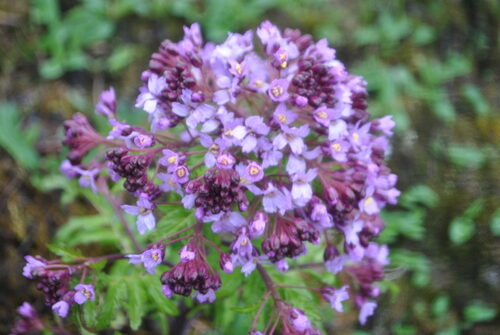
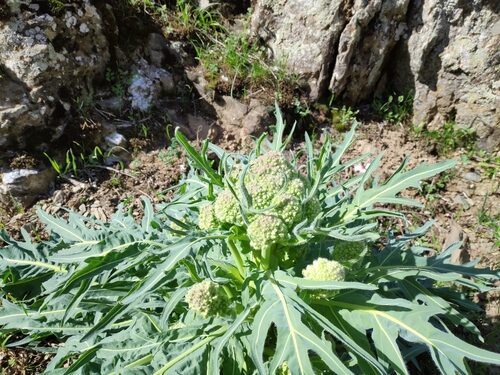
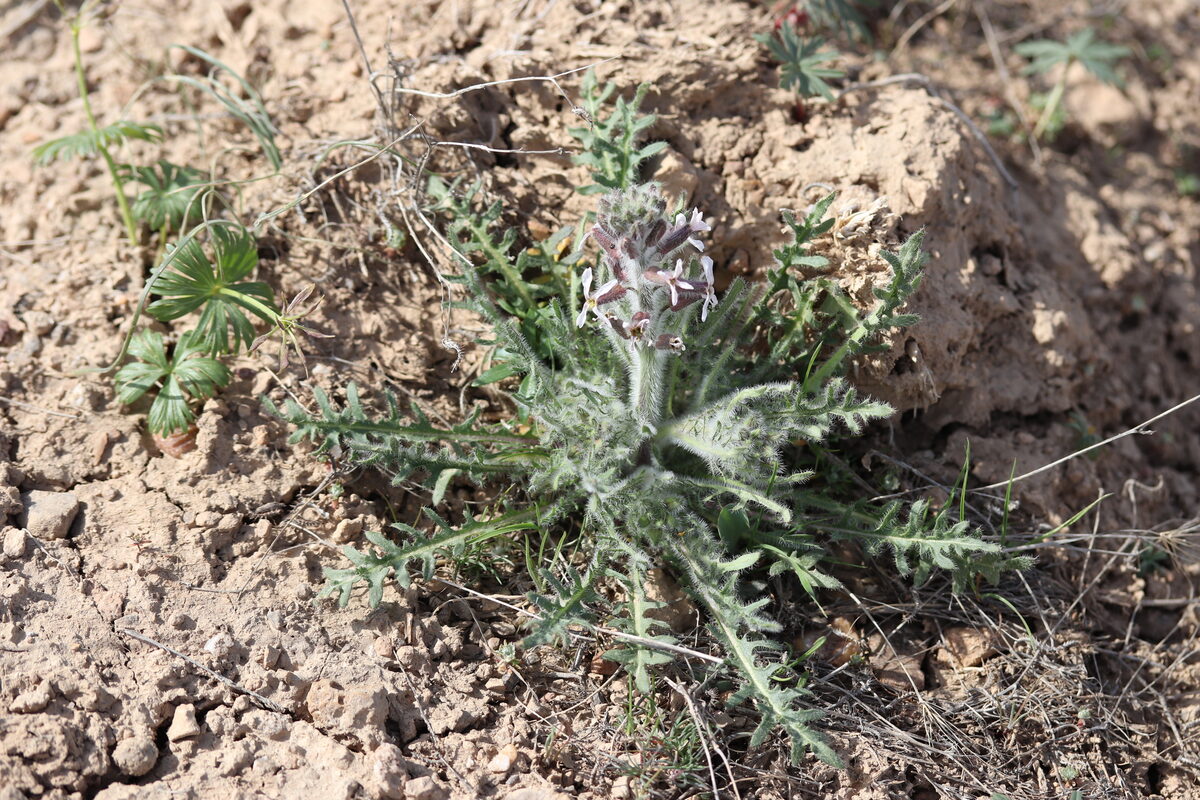
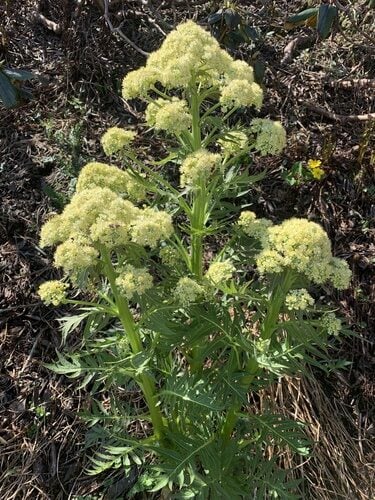
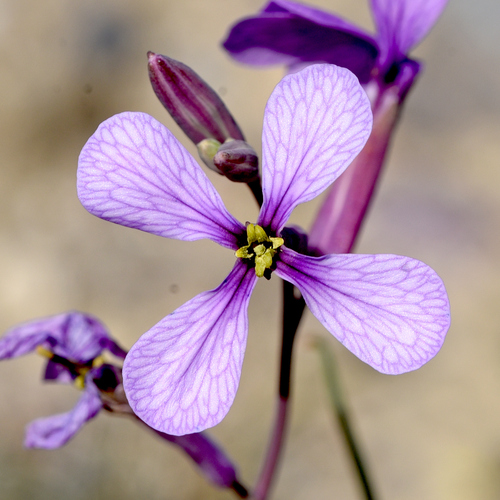
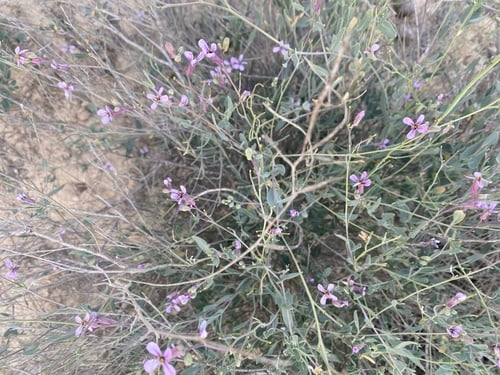
Brassica napus napobrassica - (L.)Rchb.
(L.)Rchb.
Swede
gbif· cc-by-nc
TU(B) - University of Tartu; Natural History Museum and Botanical Garden; Natural History Museum; Botanical Collections
Description
Brassica napus napobrassica is a BIENNIAL growing to 0.8 m (2ft 7in). See above for USDA hardiness. It is hardy to UK zone 7 and is not frost tender. It is in flower from May to August. The species is hermaphrodite (has both male and female organs) and is pollinated by Bees. The plant is self-fertile. Suitable for: light (sandy), medium (loamy) and heavy (clay) soils, prefers well-drained soil and can grow in heavy clay soil. Suitable pH: mildly acid, neutral and basic (mildly alkaline) soils. It can grow in semi-shade (light woodland) or no shade. It prefers moist soil.
Edible Uses
Leaves - cooked as a potherb. A mild, cabbage-like flavour. Root - raw or cooked. A richer flavour than turnips, it makes a good cooked vegetable and, when finely grated, is acceptable in mixed salads. The root can be 30cm or more in diameter, though it is usually eaten smaller since it then is more tender. It is available from early autumn, and can either be left in the ground over winter to be harvested as required, or can be harvested and stored in a cool, frost-free place where it will keep for 6 months.
Medicinal Uses
Diuretic Emollient. The root is emollient and diuretic. The juice of the roots is used in the treatment of chronic coughs and bronchial catarrh. The seed, powdered, with salt is said to be a folk remedy for cancer. Rape oil is used in massage and oil baths, it is believed to strengthen the skin and keep it cool and healthy. With camphor it is applied as a remedy for rheumatism and stiff joints.
Distribution
A hybrid of garden origin between B. napus and B. campestris.
Where It Grows
Coming Soon
Cultivation
Succeeds in full sun in a well-drained fertile preferably alkaline soil. Prefers a stiff moist soil and a fairly high rainfall. Another report says that it prefers a light but rich soil and an open sunny position. Succeeds in any reasonable soil. Sunny days and cool nights are favourable for plant growth whilst dry weather at harvest time is essential. Swede is reported to tolerate an annual precipitation of 30 to 280cm, an annual average temperature range of 5 to 27°C and a pH in the range of 4.2 to 8.2. Very young plants are susceptible to cold damage, -4°C either killing or injuring seedlings, whereas -2°C has no affect when the plants are more than one month old. The garden swede is often cultivated for its edible root, there are several named varieties. The plant is somewhat hardier than turnips and in most parts f Britain it can usually be left outdoors all winter and harvested as required. Plants take 4 - 6 weeks longer to mature than turnips. Swede is 70% self-pollinating and 30% cross-pollinated. Even if wind and insects are absent, seed are still produced. Yield increases with honeybees. A good companion plant for peas but it dislikes growing with hedge mustard and knotweed.
Propagation
Seed - sow April to June in situ.
Other Uses
The seed contains up to 45% of an edible semi-drying oil, it is used as a luminant, lubricant, in soap making etc.